Use a hybrid system that pairs color-coded handles for permanent assets with tags for dynamic inventory. Combine this with BOPP stickers or insert cards to protect data and speed up fulfillment.
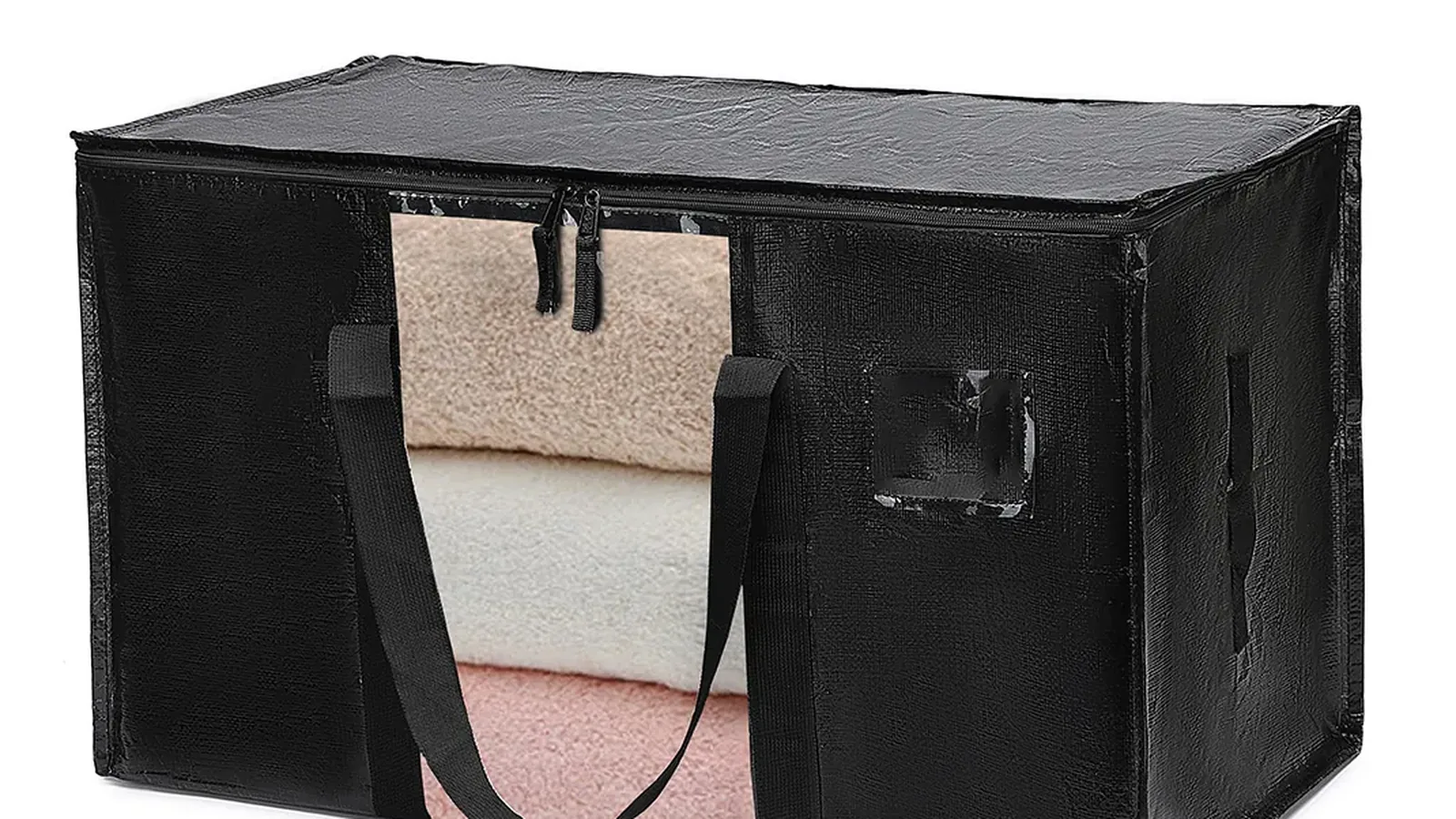
Warehouse managers keep asking how to cut picking errors without adding headcount. I recently watched a team spend minutes scanning labels on identical white totes before finding the right item. When we switched those opaque containers to clear bags, the visual search time dropped instantly.
You no longer need to open a bag to verify the SKU inside. The contents are visible at a glance, which removes the guesswork from the process. This simple shift in visibility helps your staff move faster and with greater confidence throughout the facility.
The Visual Gap in Manual Picking
Pickers often spend most of their time walking rather than handling goods. This travel time accounts for up to 60 percent of manual picking efforts.
I observed this inefficiency when reviewing standard warehouse layouts. The lack of immediate visual cues forces workers to verify every location.
Clear bags offer a transparent view of contents, but they need structure. Without a defined system, visibility alone does not prevent errors.
The goal is to eliminate guesswork from the pick path. Visual cues must guide the worker instantly without requiring text reading.
This approach reduces non-value-added activities significantly. It allows staff to focus on accuracy rather than navigation.

Handles Versus Tags for Identification
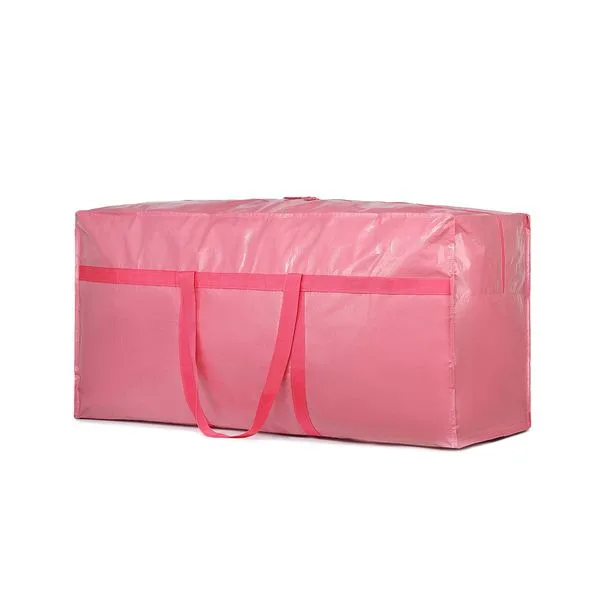
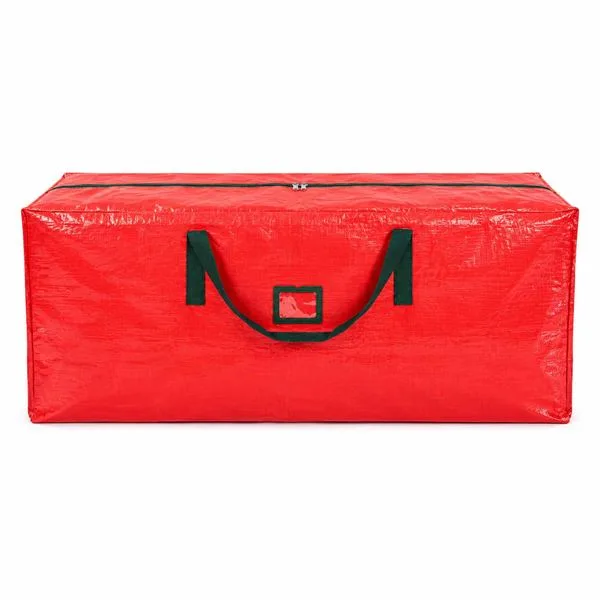
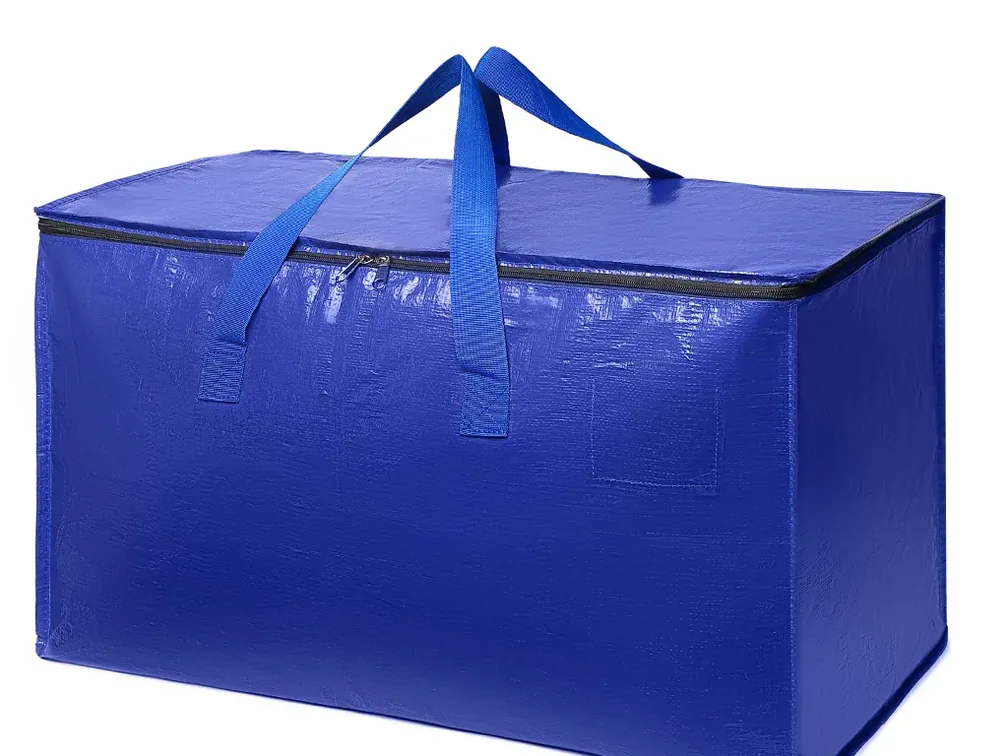
Color-coded handles provide permanent and durable identification for fixed equipment. They are integrated into the bag structure and withstand heavy use.
Tags offer a flexible and low-cost solution for changing inventory. They can be swapped quickly when product categories or locations shift.
The choice depends on whether the item is a permanent fixture or dynamic stock. Handles suit totes and carts assigned to specific zones.
Tags work better for individual SKUs or seasonal items. They allow for rapid adaptation without replacing physical equipment.
A hybrid approach balances these two needs effectively. It creates a stable foundation while maintaining daily flexibility.
This combination ensures that both long-term assets and short-term inventory are clearly identified.
| Identification Method | Durability | Flexibility | Best Application |
|---|---|---|---|
| Color-Coded Handles | Excellent | Low | Permanent assets like totes and carts |
| Color-Coded Tags | Fair | High | Dynamic inventory and seasonal items |
Labeling Methods for Clear Bags
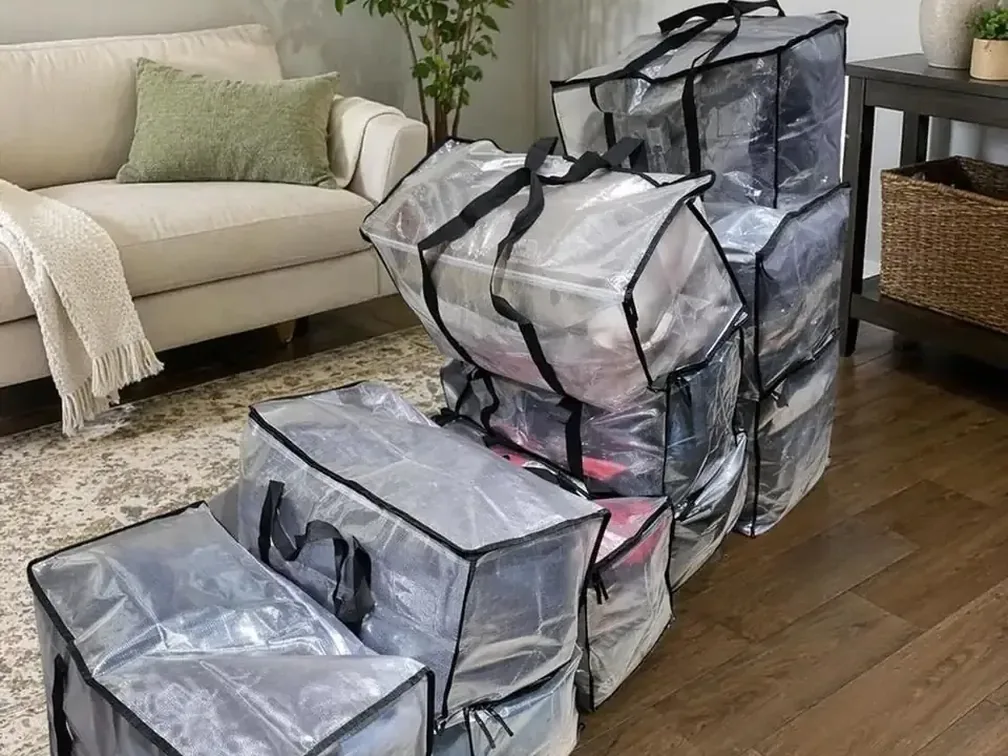
BOPP stickers cost between £0.25 and £1.00 and resist moisture and UV exposure. They are applied directly to the bag exterior for immediate visibility.
Insert cards use a reinforced lip to protect labels from damage. They keep the bag exterior clean and shield information from wear.
Stickers are faster to apply during packing workflows. The peel-and-stick process integrates easily into existing operations.
Insert cards require an extra step to slide into the slot. However, they offer superior protection against scuffs and dirt.
Choose stickers for high-volume, high-speed environments. They provide quick, external branding and data access.
Select insert cards for premium presentation or harsh conditions. The internal placement prevents label degradation over time.
Both methods ensure that critical information remains legible throughout the supply chain.
Building a Hybrid Color Scheme
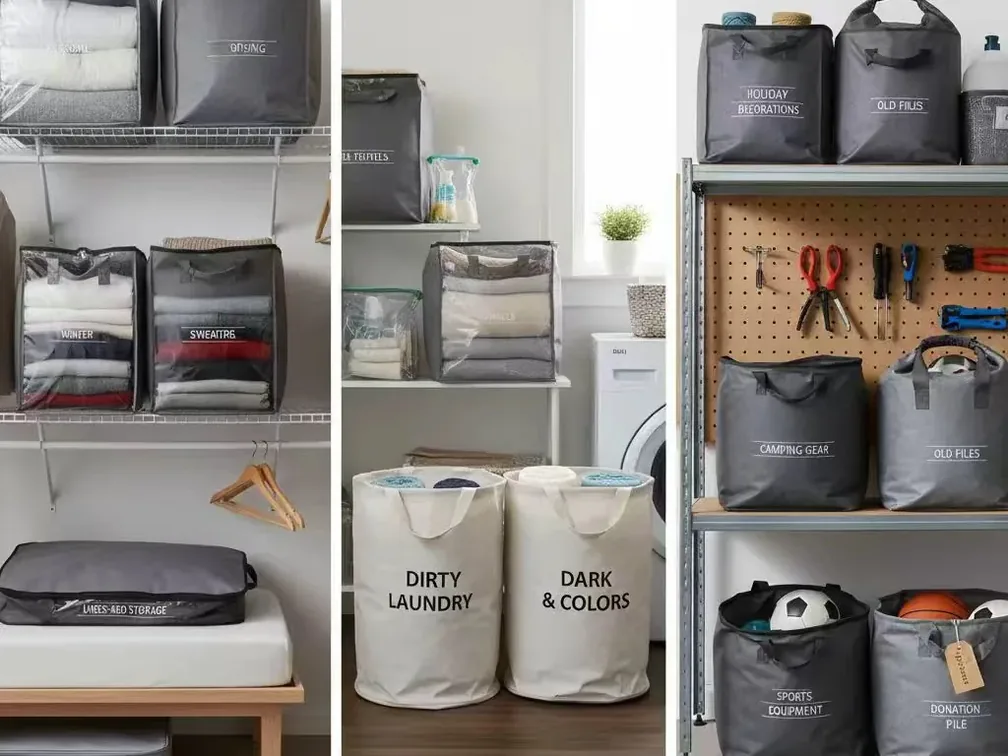
Assign specific colors to zones or product types to create clarity. Document this scheme thoroughly for staff training and onboarding.
Use red handles for the apparel zone, for example. All bags and carts in that area must match this color.
Apply blue tags to high-velocity items in the outbound area. This distinguishes them from standard stock visually.
Consistency is critical to prevent confusion across the facility. Every piece of equipment must follow the same logic.
Train staff on the visual language before full rollout. Ensure they understand what each color signifies in the workflow.
Integrate this system with your Warehouse Management System if possible. Scanning a barcode can confirm the color-coded location.
This multi-layered approach reduces human error significantly. It creates a robust, multi-layered organizational system.
Stacking Strategies for Space Efficiency
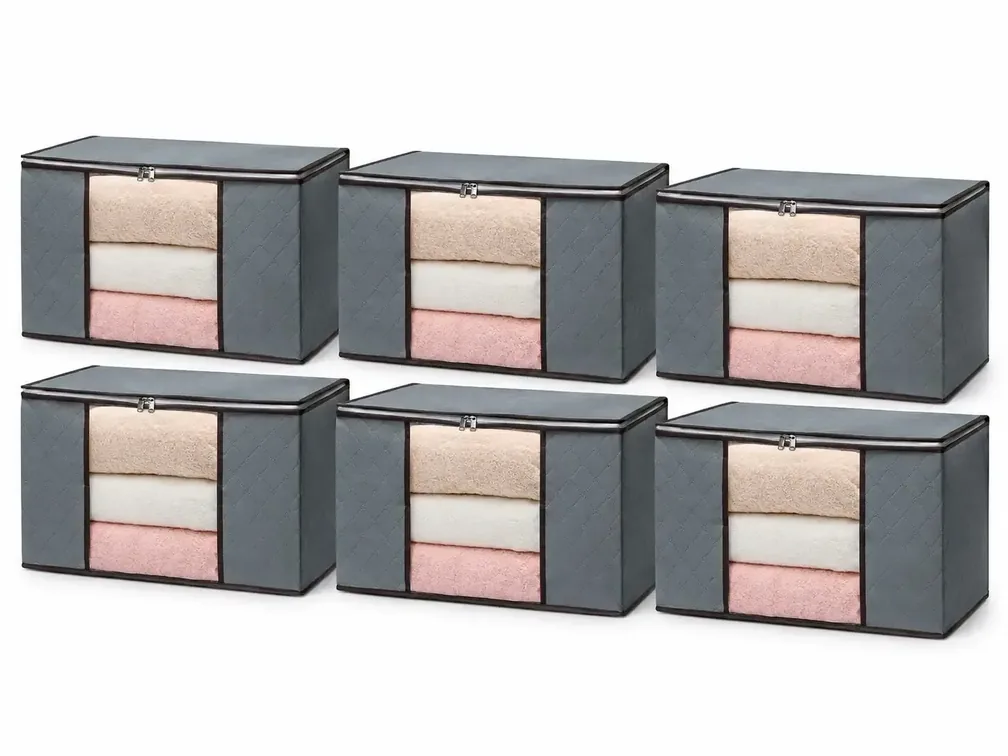
Utilize vertical space to maximize warehouse capacity without expanding the footprint. Stacking bags safely allows for higher density storage.
Block stacking is the most cost-effective technique for sturdy containers. It requires no racking systems and works well for uniform loads.
Heavy-duty bags with box-like frames can handle loads up to 25 kg. They maintain their shape when stacked directly on the floor.
Double-deep racking increases pallet storage capacity by 20 to 40 percent. This system places one row of racks behind another.
Use stacking accessories like pallet collars to prevent shifting. These tools ensure safety and stability in high-density areas.
Organize product placement based on turnover rates. High-velocity items should be in easily accessible locations.
This strategic slotting decreases labor costs by nearly 20 percent. It optimizes the value of your existing floor space.
Training and System Maintenance
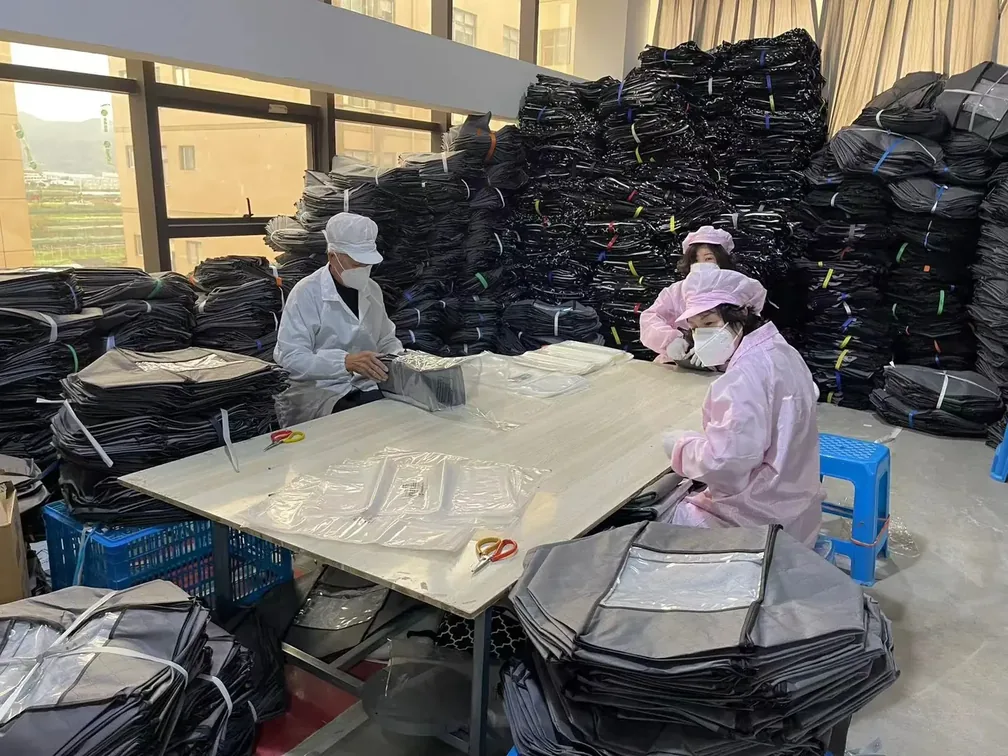
Staff training is essential for the success of any visual system. Workers must understand the logic behind the color codes.
Conduct periodic refreshers to keep the system top of mind. Include the color-coding guide in the onboarding process for new hires.
Inspect tags and stickers regularly for wear and tear. Replace any damaged labels immediately to maintain accuracy.
Monitor the system for consistency across all zones. Ensure that new equipment follows the established color scheme.
Gather feedback from pickers to identify potential bottlenecks. Adjust the layout or labeling if confusion arises.
A well-maintained system reduces picking errors and speeds up fulfillment. It creates a faster, more accurate workflow for teams.
Regular audits ensure that the visual cues remain effective over time. This ongoing maintenance protects the investment in the system.
Questions managers ask before a clear bag rollout
Can I use different colors for different departments?
Yes, assigning specific colors to departments or product lines improves navigation. This helps staff identify the correct zone instantly without reading labels.
It is crucial to document this scheme clearly for all employees. Consistency across the entire facility prevents ambiguity and errors.
Do BOPP stickers fade in warehouse lighting?
BOPP material resists UV exposure, which protects against fading from standard lighting. The material is also resistant to moisture and temperature changes.
This durability ensures that barcodes and text remain scannable over time. It is a reliable choice for long-term use in storage areas.
How do I stack clear bags safely?
Use bags with a sturdy, box-like frame designed for stacking. Ensure the load does not exceed the specified capacity of 25 kg per bag.
Place heavier items at the bottom for stability. Avoid stacking bags with soft or flexible structures that may collapse under weight.
What is the best way to label dynamic inventory?
Use color-coded tags for items that change frequently or seasonally. Tags are low-cost and easy to replace when contents shift.
This method allows for quick adaptation without replacing physical equipment. It balances flexibility with clear visual identification.
What to check before the rollout
- Verify that all permanent assets have the correct color-coded handles. Ensure that the webbing is double-stitched and secure.
- Confirm that the color scheme is documented and accessible to all staff. Post the guide in high-traffic areas for quick reference.
- Test the application process for stickers or insert cards. Ensure that the chosen method fits within the current packing workflow.
- Check the structural integrity of bags intended for stacking. Confirm that they can support the required load without deformation.
- Review the training plan for new and existing employees. Schedule sessions to explain the visual language and its benefits.
- Inspect the storage area for any existing labels that may conflict. Remove or replace old tags to maintain a consistent visual system.
- Monitor the first week of operation closely for any confusion. Adjust the scheme if staff report difficulty in identifying locations.
Verify that all permanent assets have the correct color-coded handles. Ensure that the webbing is double-stitched and secure.
Confirm that the color scheme is documented and accessible to all staff. Post the guide in high-traffic areas for quick reference.
Test the application process for stickers or insert cards. Ensure that the chosen method fits within the current packing workflow.
Check the structural integrity of bags intended for stacking. Confirm that they can support the required load without deformation.
Review the training plan for new and existing employees. Schedule sessions to explain the visual language and its benefits.
Inspect the storage area for any existing labels that may conflict. Remove or replace old tags to maintain a consistent visual system.
Monitor the first week of operation closely for any confusion. Adjust the scheme if staff report difficulty in identifying locations.