Based on our bag line records for coil, Vislon and metal zippers, plus the closure specs we keep for moving and storage bags.
A new hire in the sample room put two zipper quotes side by side and asked why one closure cost nearly double the other. The two samples looked identical from arm's length, same tape colour, same pull length, same bag. She had assumed the cheaper quote was simply a better buy.
That question is worth taking slowly, because a zipper is the component buyers test first and specify last. The price on the quote covers a slider, a tooth row, a lock and a tape assembly, and each of those lines behaves differently once the bag leaves the warehouse. What follows breaks a closure quote into five cost lines and shows where the cheap combination sends the bill later.
The Four Lines Behind One Zipper Price
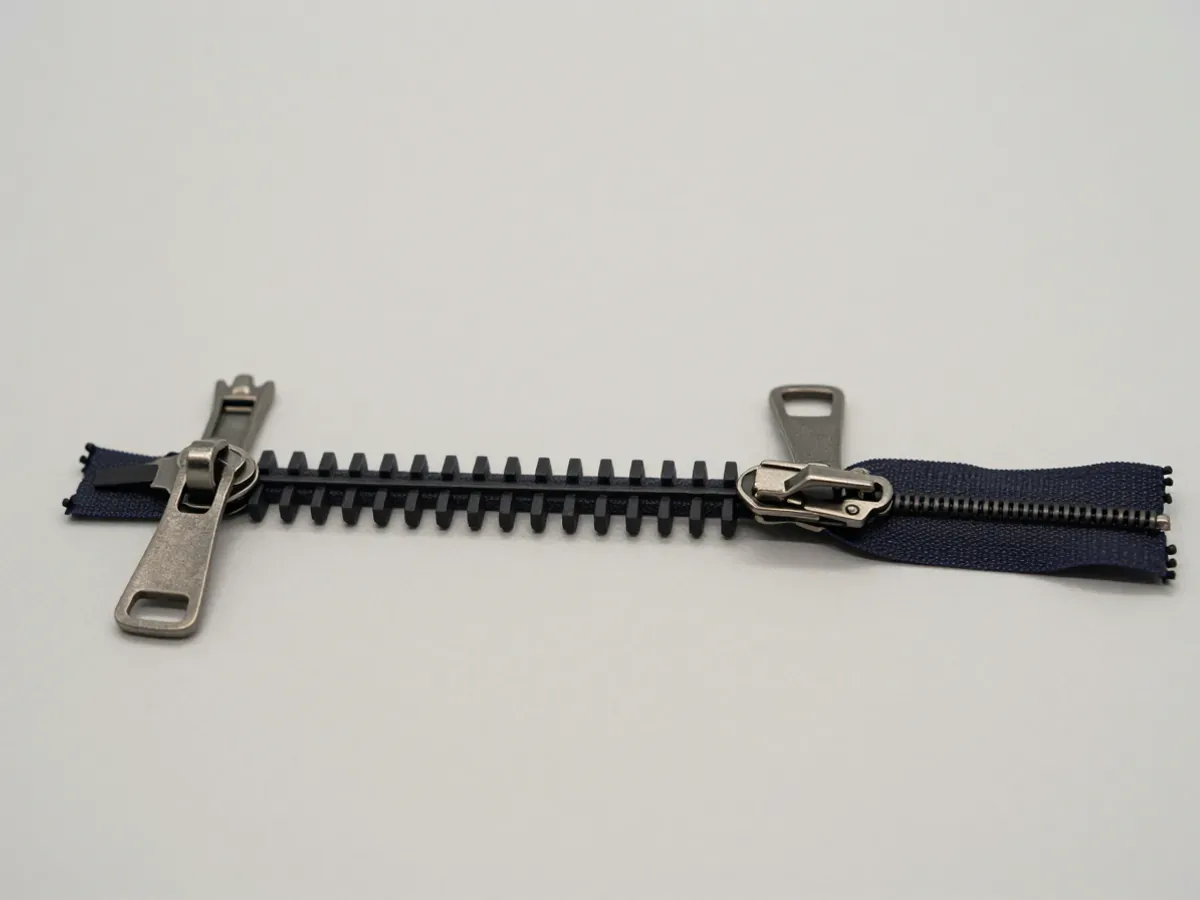
A closure quote is rarely one number. It is a chain, a slider, a lock mechanism and the labour that joins them to the bag, and suppliers quote them at different margins depending on which line they want to win.
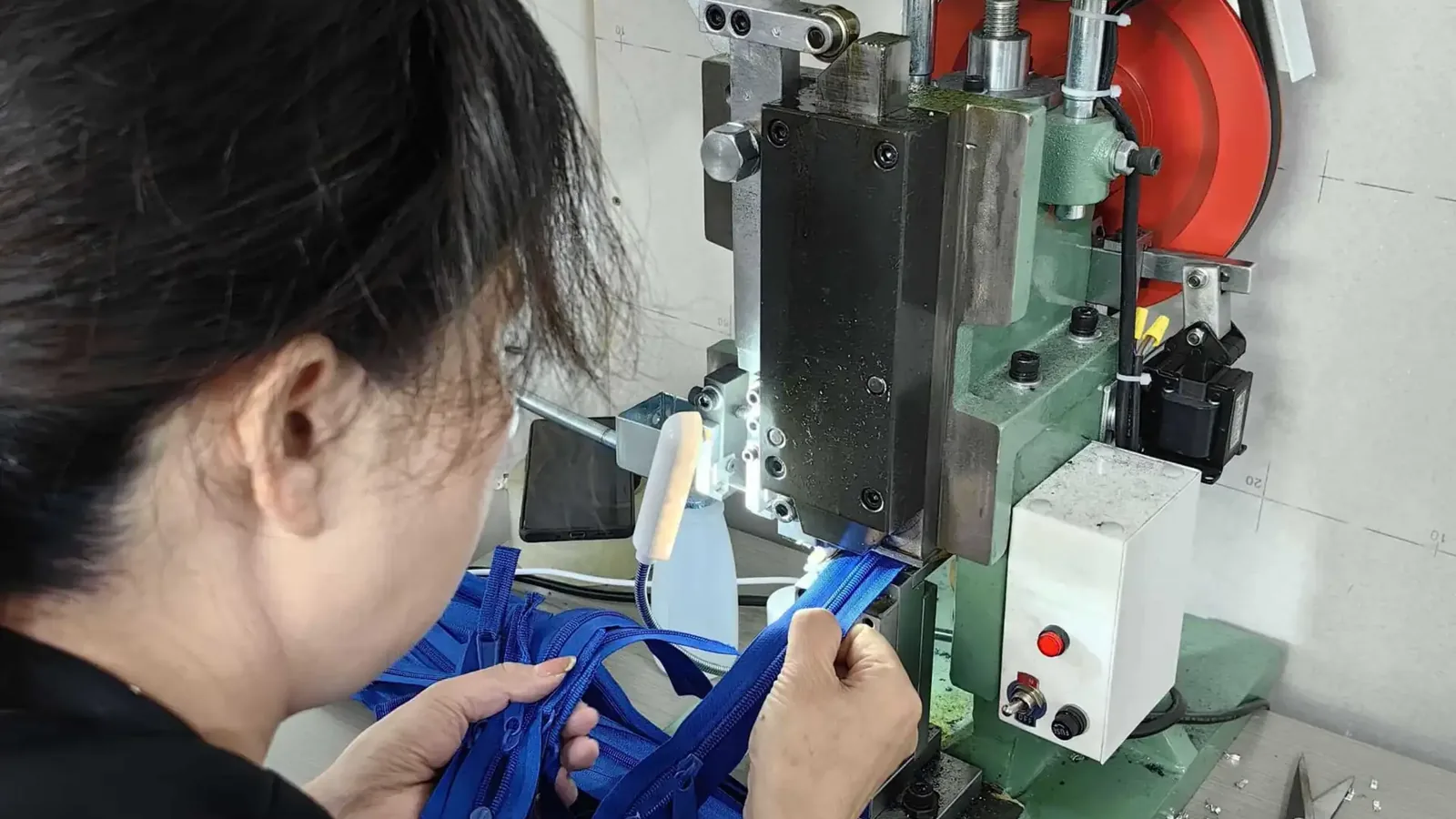
The chain is the visible part: a coil spiral, a moulded tooth row or a metal tooth set. The slider is the small body that rides the chain and carries the pull. The lock is the pin, the spring or the auto lock that keeps the slider parked. Tape, stitching and the sewing station time finish the total.
A buyer comparing two quotes usually compares the chain and ignores the other three. That works when the bag is opened twice a week. It stops working when the bag is dragged, loaded and opened all day.
Where the Cheap Slider Sends the Bill Later
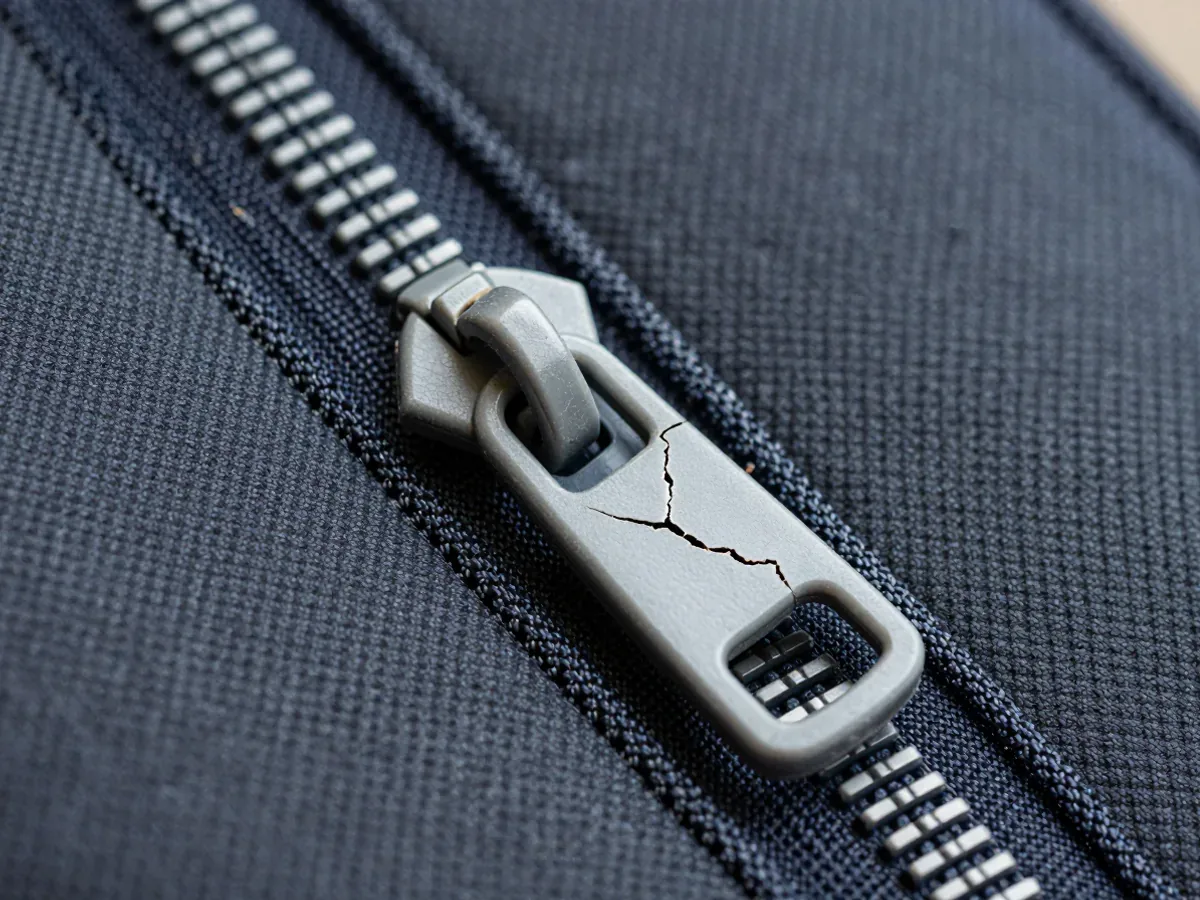
Slider bodies crack under plier abuse, pull tabs tear off, and worn slider bodies stop locking, so the bag opens under load. The teeth get the blame in the field, but the slider is the component that actually fails first on most bags.
A cheap slider saves cents at the quote stage and returns as a return, a replacement or a complaint. On a moving bag that is dragged across a loading dock, a failed slider can mean a bag that spills its contents in a hallway. The replacement cost is not the slider; it is the whole bag plus the handling.
Slider material and lock function belong in the specification for exactly this reason. A quote that names the chain family but leaves the slider unnamed has not priced the closure. It has priced half of it.
Coil, Vislon and Metal Priced Against Duty
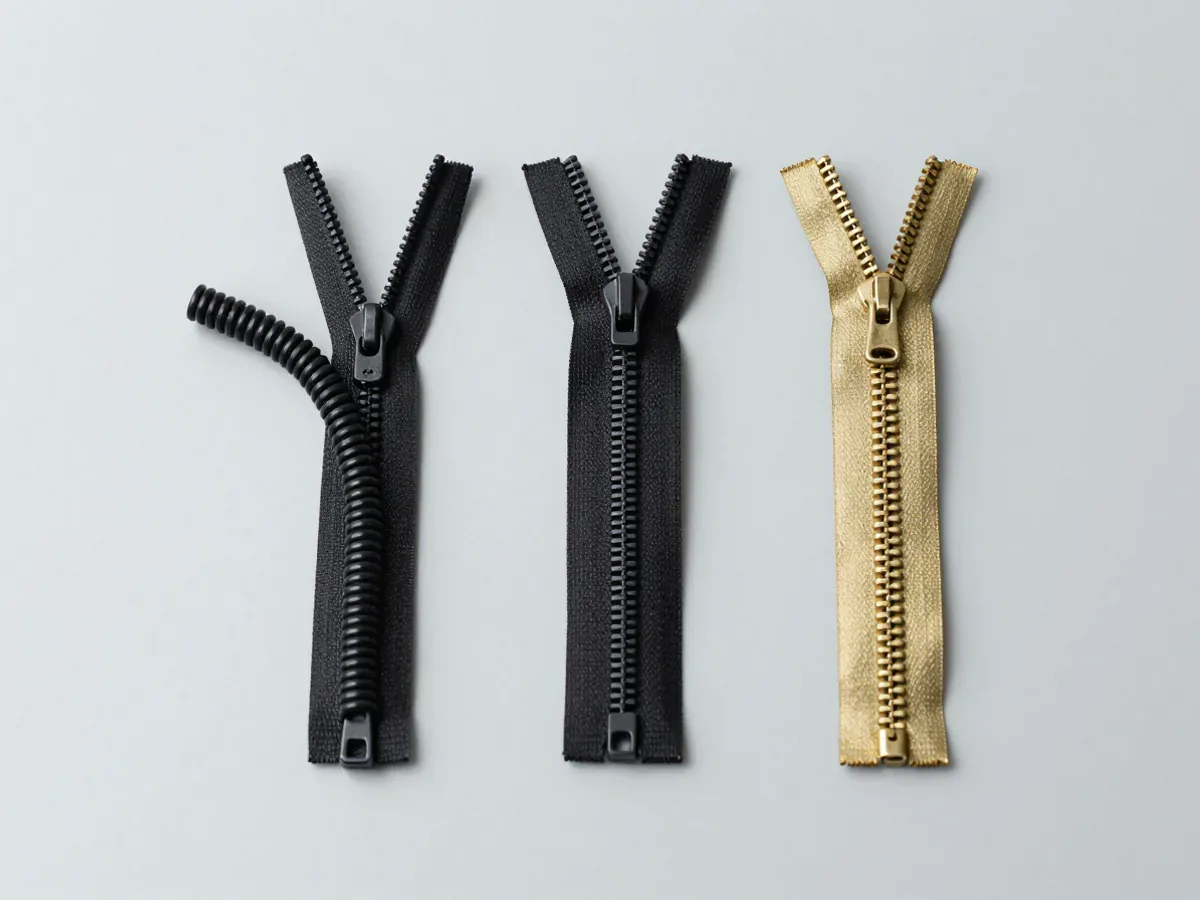
Coil zippers use a continuous nylon or polyester spiral sewn onto tape. They flex around curves, so curved seams and rounded bag tops take coils cleanly, and they self-lubricate as they run. On light duty totes and storage bags, a coil track is often the cheapest closure that still does the job.
Vislon zippers, moulded plastic teeth on tape, are the heavy duty plastic answer. Larger teeth resist grit better than coils, they do not corrode, and the moulded element survives the sled drag abuse that moving bags meet on a dock. Metal reads premium and carries weight, and it brings corrosion risk in wet duty.
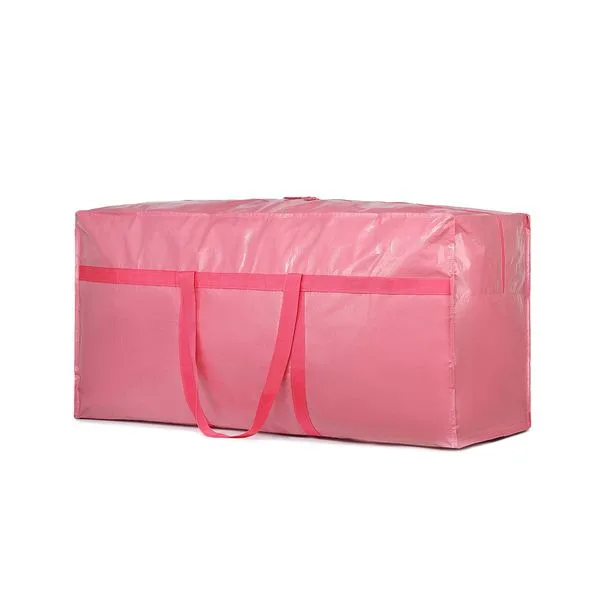
Priced against duty, the three families sort by where the bag lives. A pink moving bag with a durable coil track is fine for light household use. A heavy duty moving bag with metal zippers and reinforced handles is built for repeated dock handling. Choosing metal on a utility program adds weight and corrosion risk without adding perceived value.
The Test Cost Nobody Puts in the Quote

A closure quote covers components and assembly. It rarely covers the bench time that proves the closure works, and that gap shows up later as a surprise.
Reciprocating sliding cycles, slider lock strength and pull tab tear are the three tests that matter on a bag closure. Run them on the specified zipper family, not on a generic sample, or the result describes a different bag. Third party lab reports cost money and calendar time, and a program that needs independent evidence should budget for both.
Our own bench holds a zipper validation tester, and every order passes four checkpoints before it ships. That is production QC, not a substitute for a lab report, and a buyer should know which of the two a supplier is offering.
What a Rework Claim Adds to the Unit Price

A rework claim arrives as a number per unit, and that number hides three costs. There is the replacement closure, the labour to open the seam and fit it, and the freight to move the bag twice.
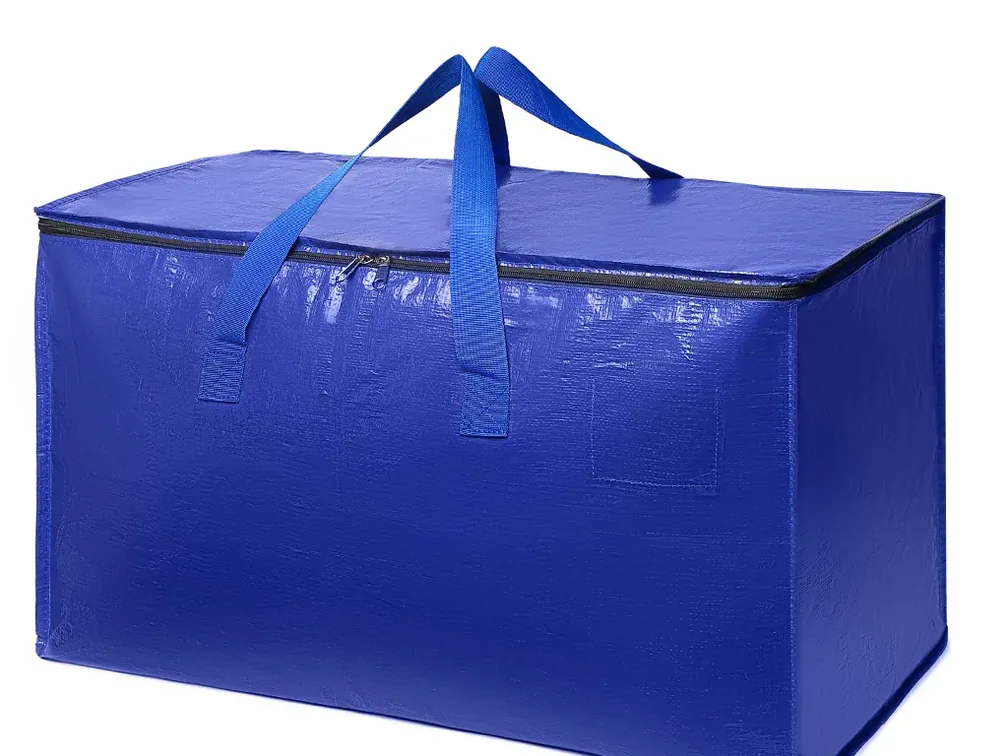
On a two way closure with dual pulls, the rework is slower because the opening closes from either end and both sliders have to be re seated and re tested. A dual zipper closure on a heavy duty storage bag is a good feature and a costly repair when the slider is the weak part.
Add the schedule cost. A rework batch pulls a sewing line off the next order, and the launch date moves. None of that appears on the original quote, and all of it lands on the unit price of the order that follows.
How to Compare Two Zip Quotes Line by Line
Put the two quotes in columns and force each one to name five things: chain family, slider material, lock type, test scope and rework terms. A quote that cannot fill a column is not comparable, whatever its total says.
Then price the closure against the duty cycle. A tote opened two hundred times a month needs a different slider than a storage bag opened twice a season. A cooler bag holding its seal in a delivery van needs a lock that stays parked under vibration.
The cheapest combination on the table is usually the one with an unnamed slider and no test line. It wins the quote and loses the season. The closure that costs less in use is the one whose five lines were all written down before the order was placed.
What to Write in the Closure Spec Before Ordering
The spec should name the zipper family, the slider material and the lock type per bag program, and it should say which tests apply. Samples should be built in the specified components so the zipper the buyer tests is the zipper that ships.
Write the duty cycle in plain words next to the closure line. Dragged across a dock, opened at a counter, sealed in a van. The factory reads that line when it picks the slider, and the buyer reads it when a claim arrives.
A closure spec that fits on one line invites a closure that fails on one line. Five lines take ten minutes to write and settle the question the new hire asked at the start.
FAQ
Is a metal zipper always more expensive than a coil zipper?
Not always at the quote stage, and rarely the cheapest choice in use. Metal adds weight and corrosion risk in wet duty, so on utility programs the premium buys appearance rather than life.
How much does a zipper test add to the unit cost?
It depends on the test scope and whether a third party lab is involved. The cost is real and should be budgeted before the order, not discovered when a claim needs evidence.
Can a two way zipper be fitted on a standard moving bag?
Yes. A two way closure with dual pulls lets the opening close from either end, and it suits wide moving bags. The rework cost is higher if a slider fails, so the slider spec matters more.
Why does the slider matter more than the teeth on a quote?
Because the slider fails first. Cracked slider bodies and torn pull tabs end a bag's life before the teeth wear, and a quote that leaves the slider unnamed has not priced the closure.