Reconstructed from an archived bag sample approval article and the factory spec records behind it.
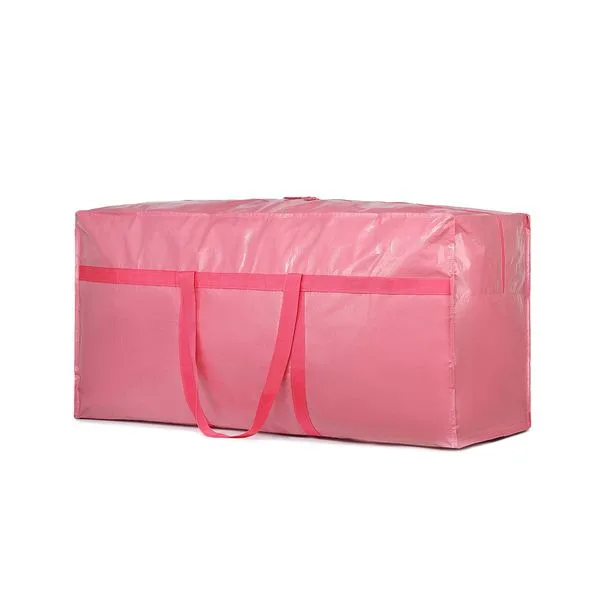
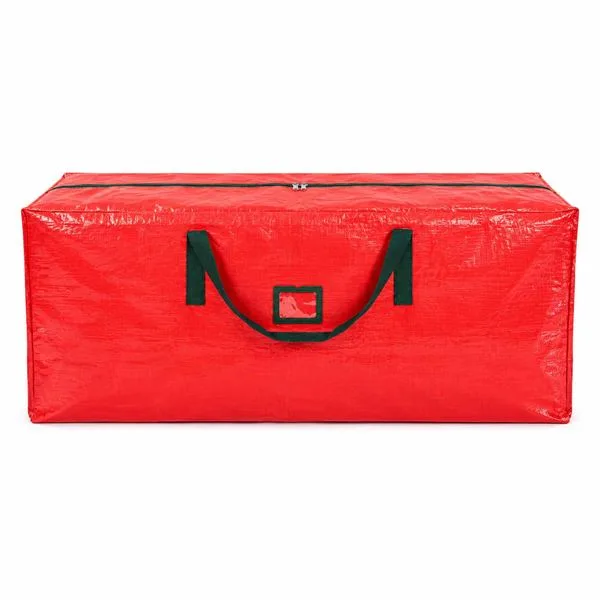
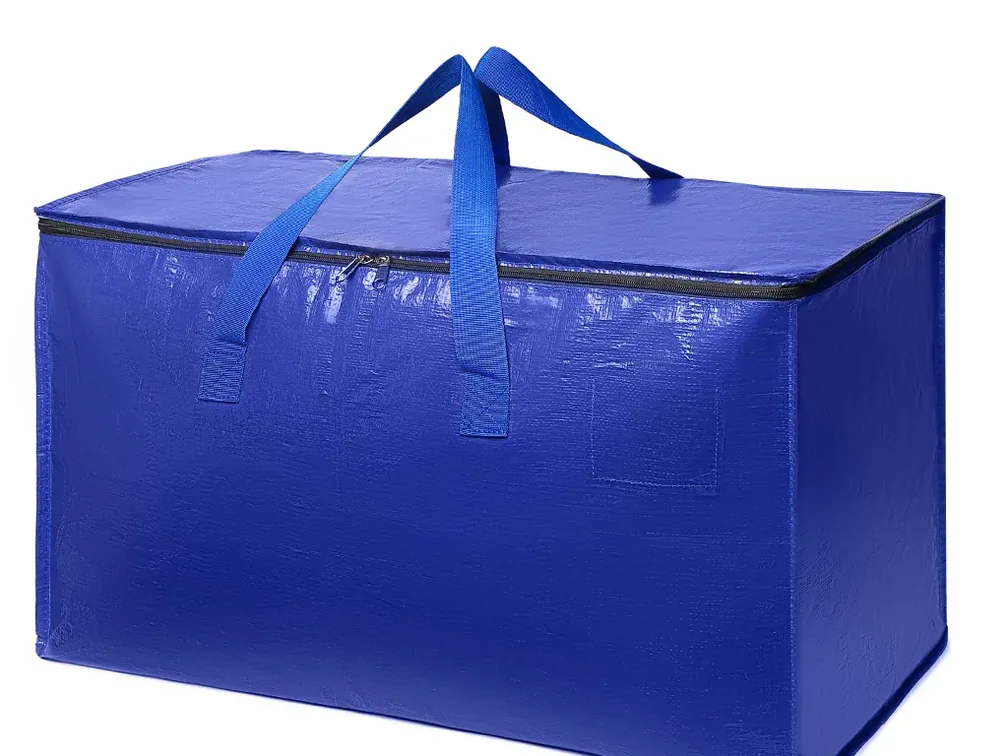
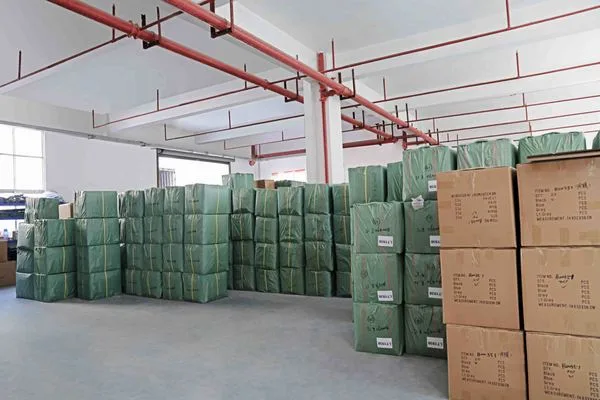
The container was already backed into the loading bay when the call came down from the office. Six pallets of moving bags sat sealed and strapped, and the buyer's agent asked for one carton to be cut open before the doors closed. The bag that came out looked right. Then a worker lifted it by the handles with a full load inside, and the bound seam along the top edge opened like a torn envelope.
Nobody in that warehouse could explain the gap. The buyer had approved a sample months earlier. An inspection had passed. The bags were the same colour, the same print, the same stated size as the unit everyone had signed off. What failed was not visible in any photograph, and it had been decided long before the first carton was packed.
The Cartons That Never Left the Loading Bay
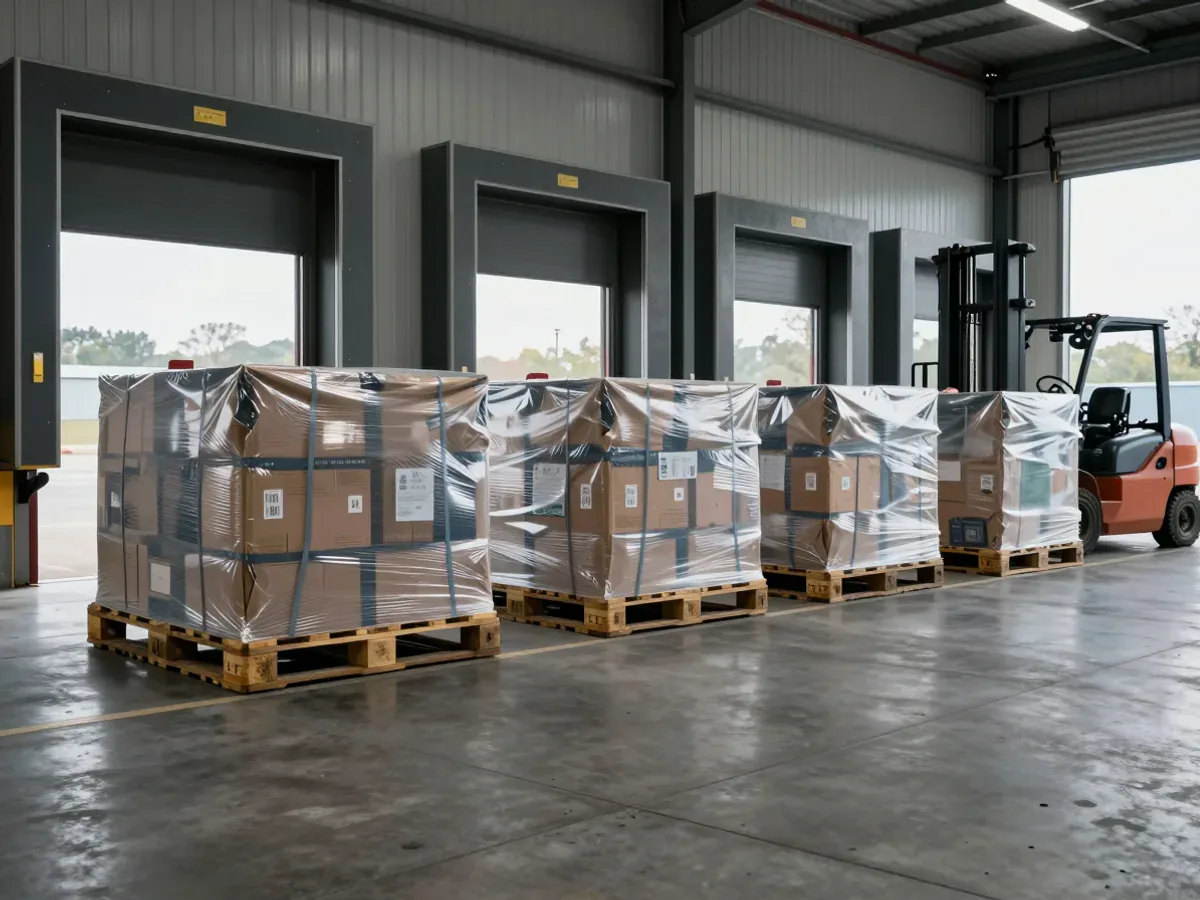
The order stopped there. Six pallets went back into the factory hold instead of onto the vessel, and the launch date moved while the buyer and the factory argued about who owned the failure. The factory pointed at the approved sample. The buyer pointed at the inspection report. Both documents existed, and neither one settled anything.
That standoff is the useful part of the story. A failed load-out is dramatic, but the real failure had happened quietly weeks earlier, in a sample room and an inbox, where a physical standard was never actually fixed. What follows is a walk back through that chain, one decision at a time, to the point where the bulk order and the approved sample quietly parted ways.
Rewind to the Sample That Everyone Approved
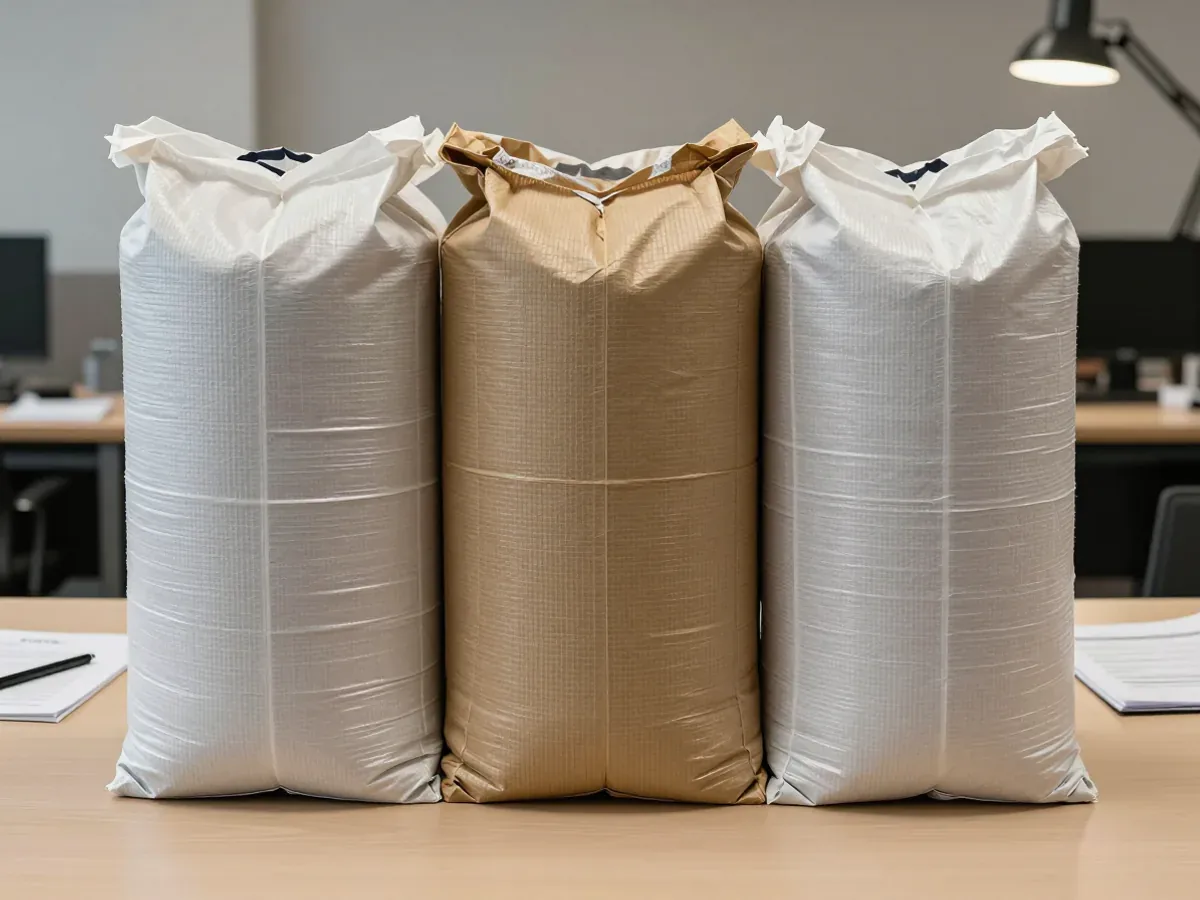
Three units had sat on the buyer's desk during sampling. One was a counter sample, made quickly to show colour and print position. One was a pre-production sample built on the line with the materials the factory intended to order. The third was a duplicate the buyer kept for reference. To the eye, the counter sample and the pre-production sample were nearly twins.
The buyer approved the pre-production unit by email, replying "approved" to a photo set and a spec sheet. No signature went onto the bag. No dated control unit went back into the buyer's own storage. The duplicate stayed in a drawer, unlabelled, and over the following weeks it stopped being a reference and became a souvenir.
A pre-production sample is meant to be the physical baseline for the whole run, not a picture of one. Once it is approved without a signature, a date, and a retained copy on both sides, the bulk order has no fixed target. The factory keeps producing to its own reading of the spec, and the buyer keeps believing a standard exists.
The Counter Sample Arrived First, and It Was Not the Bulk Material
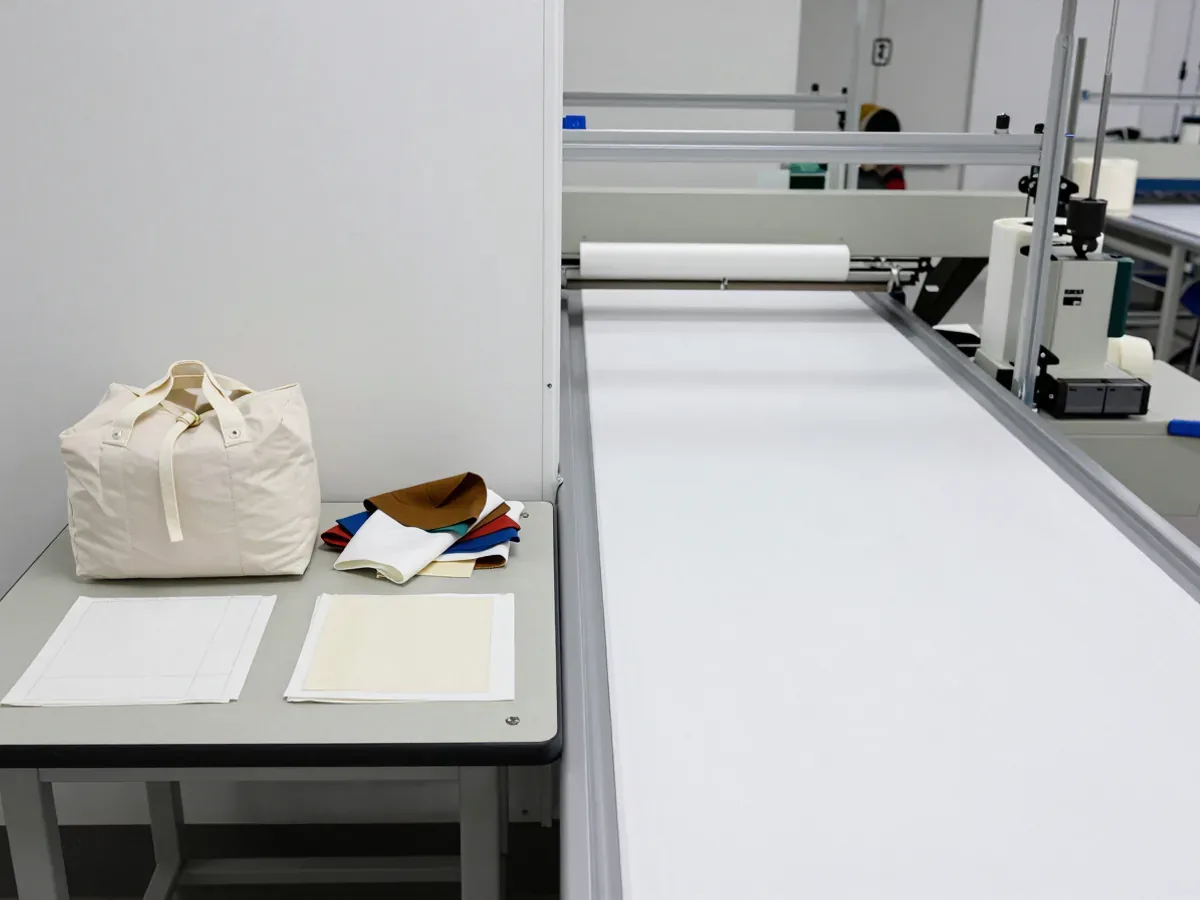
The first unit on the desk had been turned around in a few days, which should have raised a question. A counter sample exists to win visual approval. Factories build it fast, often from whatever good material is already in the sample room, and its job is colour, print registration, and nominal dimensions. It is not built from the bulk material batch.
The pre-production sample is a different animal. It is cut on the actual production line, from the exact raw materials ordered for the run, using the stitch patterns and seam binding the bulk order will use. That takes time, because the factory has to wait for the correct material batch to arrive before cutting a single unit. A pre-production sample that appears in two days is usually a counter sample wearing a different label.
In this order, the two samples had been treated as one approval event. The buyer signed off on a unit that looked correct and assumed the material behind it was the material that would ship. The distinction between a fast visual sample and a line-built production sample never made it into the paperwork, so nobody noticed when the bulk run was cut from a different batch than the one the sample had used.
What the Tech Pack Left Open
The tech pack for this order described the bag in language a buyer would use, not language a cutting room can enforce. It asked for heavy duty fabric, strong handles, and a reinforced top seam. Every one of those phrases is an instruction to interpret, and interpretation on a factory floor defaults to the cheapest option that still looks acceptable.
Nothing in the document named the fabric weight, the seam construction, the binding tape width, or the stitch pattern. Nothing required a pull test on the seam or a load test on the finished bag. The handle attachment was described as reinforced, which can mean a bar tack, a box stitch, or a folded end, and the factory chose the fastest of the three.
Printing had been proofed before the run, and the sample had been made to the same spec as bulk on paper. The problem was that the spec itself was thin. A tech pack that leaves a detail open hands that detail to the factory, and the factory is not being dishonest when it fills the gap cheaply. It is answering a question the buyer never asked.
The Signature That Was Only an Email
The approval lived in an email thread. The buyer wrote "approved" under a set of photos, and the factory filed that reply as consent to produce. In a dispute, that email proves the buyer saw something and said yes. It does not prove what the buyer saw, because the photos were of one unit and the email did not describe which unit or which batch.
An unsigned sample is a liability rather than a protection. Without a physically signed and dated control unit, a final inspection has no enforceable baseline, and the factory wins most quality arguments by default because there is nothing to compare against. The buyer's duplicate in the drawer could have helped, but it carried no date, no batch reference, and no note about which material it was cut from.
The fix at this stage is unglamorous. The buyer signs and dates the sample directly on the bag, keeps one copy, and requires the factory to keep the matching copy on the production floor. Both copies carry the same batch reference and the same test notes. From that moment the sample stops being a photo and becomes a control unit.
Where the Inspection Lost Its Baseline
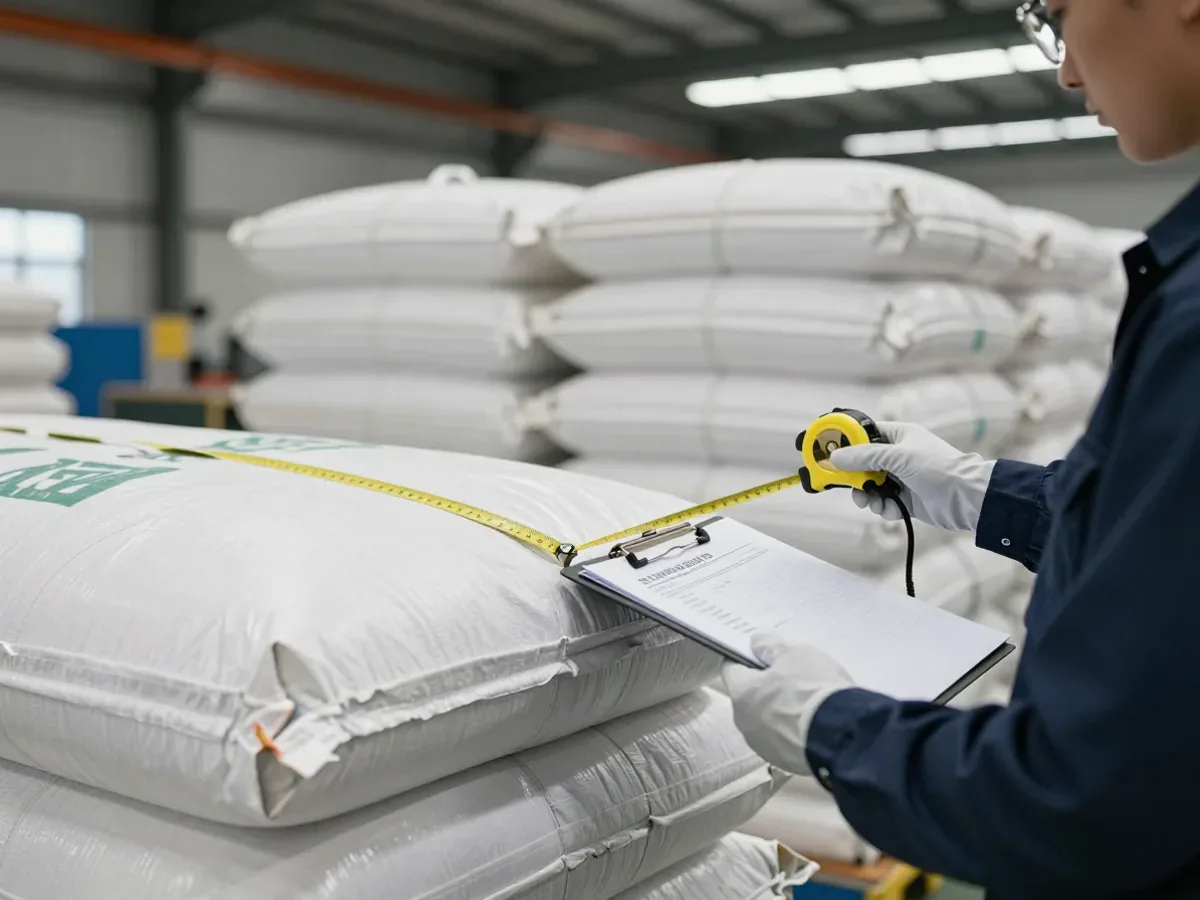
The final inspection did happen, and it passed. The inspector checked dimensions, handles, logo, and packed quantity by hand, and the cartons were counted and photographed before the container sealed. Those checks were real, and the bags met them. The inspection was measuring the order against a spec sheet, not against a signed physical sample, because no signed sample existed to measure against.
Seam strength and bar tack are tested on every batch in a normal quality routine, and incoming fabric, webbing, zips, and thread are checked against the approved spec. The weak link was the approved spec itself. It described a bag that looked like the sample without pinning the seam construction or the material batch that made the sample hold.
An inspection without a control sample can confirm that a bag matches a description. It cannot confirm that the bag matches the unit the buyer actually held. When the bulk binding seam was built with a narrower tape and a single pass of stitching, the inspection had no document that said otherwise.
What a Buyer Can Lock Before the Next Sample Round
The chain that broke this order can be closed at four points, and none of them require new machinery. The first is the sample type. A buyer should ask for a pre-production sample built on the line from bulk materials, and should treat a fast visual sample as a separate approval with a separate purpose.
The second is the material lock. The sample should travel with a traceability document that names the exact batch used, so the bulk run can be checked against the same batch rather than a similar one. The third is the tech pack, which should name the seam type, the binding tape width, and the stitch pattern instead of describing them in adjectives. The fourth is the signature, applied to the bag, dated, and duplicated on both sides.
Each of these is a small administrative act. Together they convert a sample from a photograph into a standard that a factory cannot quietly reinterpret when the bulk order is cut. The buyer in this story had done the visible work. What was missing was the paperwork that makes the visible work binding.
A Sign-Off Checklist for the Sample in Your Hands
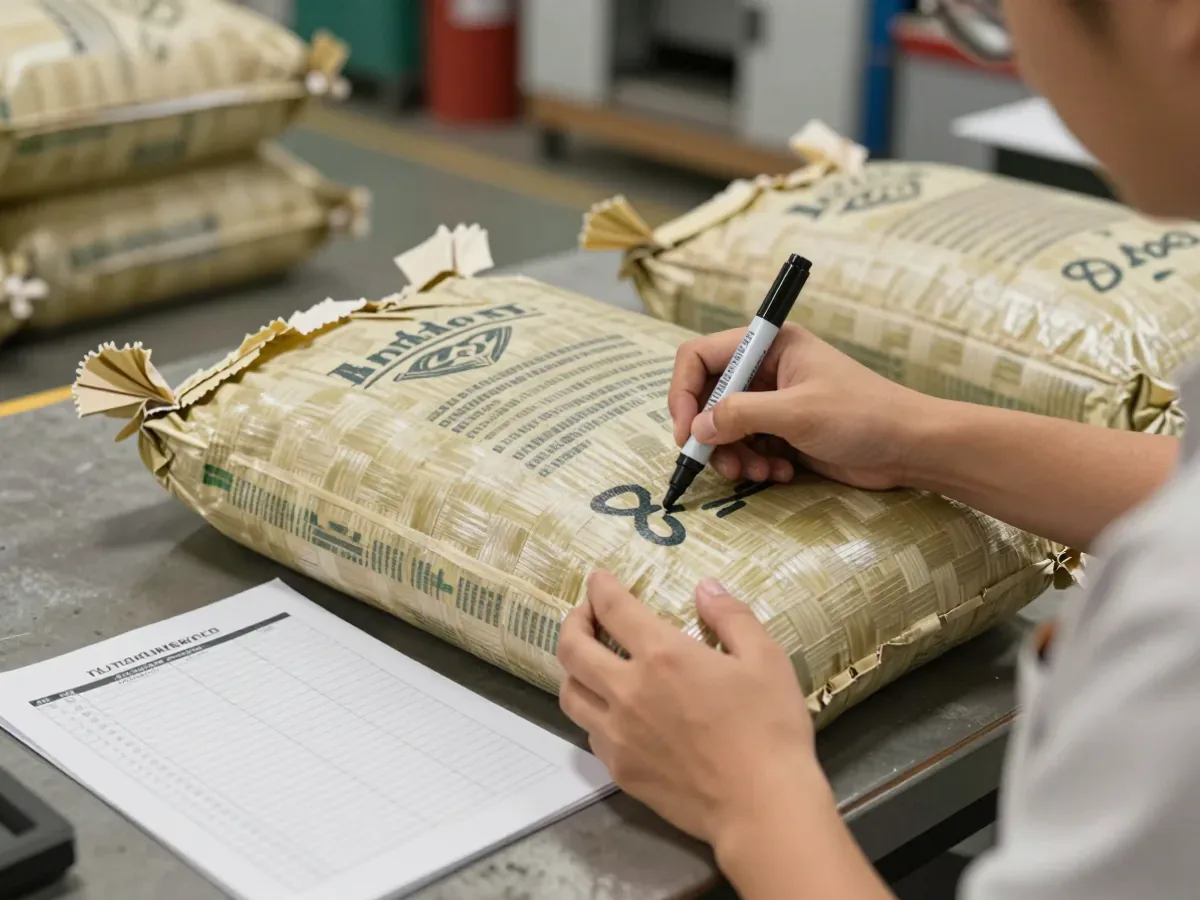
Before signing anything, confirm the unit in front of you was built on the production line from the bulk material batch, and ask for the batch reference in writing. Check that the seam construction matches what the tech pack names, including the binding tape width and the stitch pattern, and that the handle attachment method is specified rather than described.
Ask for the mechanical results the factory ran on that unit, including a seam pull test and a load test on the finished bag, and keep the report with the sample. Sign and date the bag itself, keep one copy, and require the factory to hold the matching copy on the floor. Write the signed sample into the purchase order as the inspection baseline, so the final check compares bulk against the unit rather than against a description.
Then confirm the production start is tied to that signature with a clear deadline, so the run cannot begin on a verbal yes. A sample that passes every visual check can still fail in a driveway if the seam behind it was never locked. The signature is what turns a good-looking bag into a standard the whole order has to meet.
FAQ
What is the difference between a counter sample and a pre-production sample?
A counter sample is built quickly to win visual approval on colour, print, and nominal size, often from material already in the sample room. A pre-production sample is built on the production line from the bulk material batch, using the stitch and seam methods the order will use.
How long should a pre-production sample take compared with a counter sample?
A counter sample can be turned around in a few days. A pre-production sample takes longer because the factory has to wait for the correct material batch before cutting, so a unit that appears in two days is usually a counter sample with a different label.
Should the approval signature be on paper or is an email enough?
An email proves the buyer said yes to something. A signature on the bag, dated, with a matching copy held by the factory, proves what was approved and which batch it came from. The second is what an inspection can actually use.
What should be written into the tech pack so the factory cannot interpret it?
Name the fabric and its weight, the seam type, the binding tape width, the stitch pattern, and the handle attachment method. Every detail left as an adjective becomes a factory decision, and that decision usually lands on the cheapest compliant option.
How does the approved sample connect to the final inspection?
The signed sample becomes the baseline the inspector compares bulk units against. Without it, the inspection measures the order against a spec sheet, which can pass a bag that does not match the unit the buyer held.