Based on TIIOCTI production notes for zippered PP, PE and non-woven moving bags, plus archived buying guidance on private label runs.
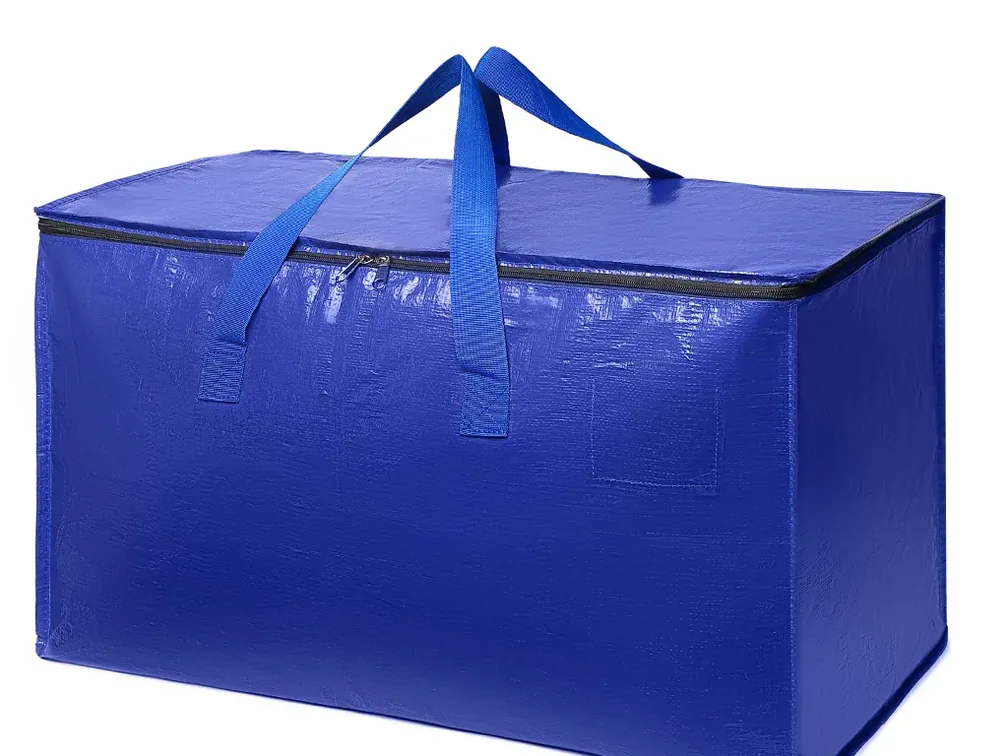
A buyer forwarded a competitor's page last spring with one line highlighted: "Your logo on our blue moving bag, ready in ten days." The bag in the photo looked familiar. It was the same shape, same blue, same zipper placement as a stock tote sold by every big-box retailer in the country. The buyer's question was simple. If the logo belongs to the buyer, is the bag theirs too?
That question sits at the center of a widespread shortcut in private label moving bags. Take a stock blue bag off a supplier's shelf, add a screen-printed logo, call it a custom line. It looks like branding. It reads like branding on the shelf. Underneath, it is a stock product wearing a name tag, and the gaps show up in three places: colour, structure, and what gets checked before the cartons close.
The Shortcut Most Buyers Take First
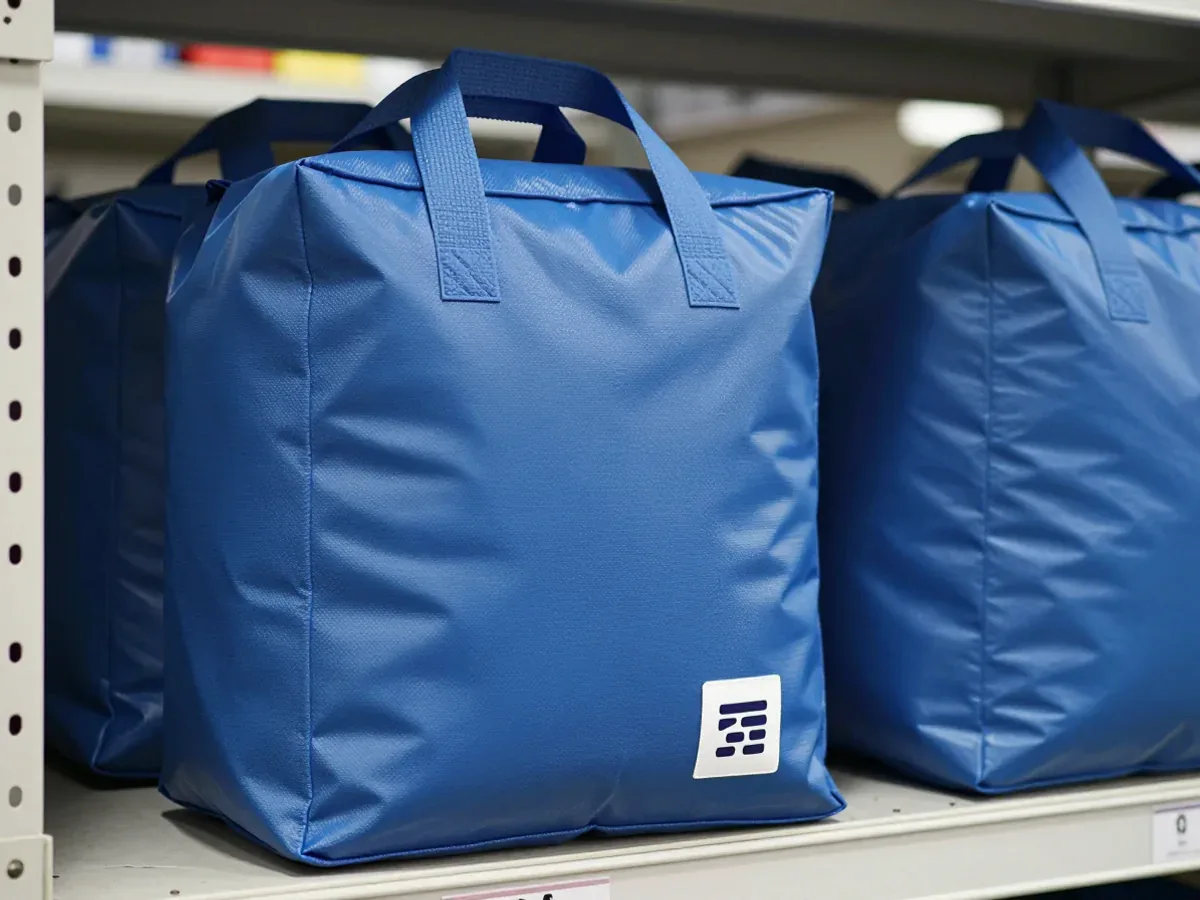
The pitch is easy to understand. A supplier already stocks blue woven polypropylene totes in a few sizes, so the buyer picks a size, sends a logo file, and pays for printing. No new pattern, no new material, no sample round beyond a quick print proof. The first order lands in weeks instead of months.
On paper this looks like a smart way to test a private label line without committing to tooling. The bag already sells. The size already fits a market. The only new element is the logo, and the logo is the part the buyer controls.
The problem is that the buyer has customized one square of the bag and inherited everything else. The blue is the supplier's blue. The handle length is the supplier's handle length. The zipper is whatever the supplier bought that season. Those inherited choices are invisible in the quote and visible to every customer who compares the bag to a competitor's.
Why a Logo on a Stock Bag Feels Like Enough
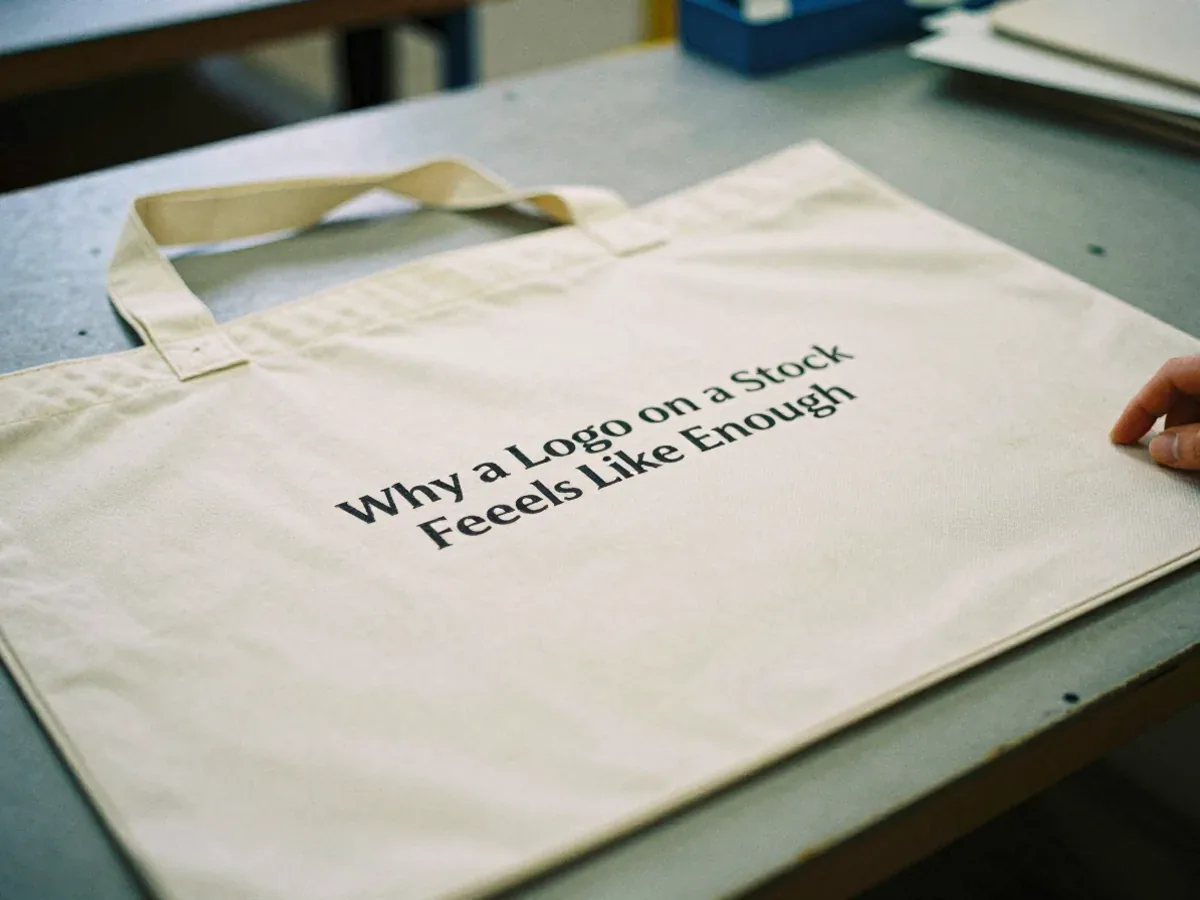
Branding is mostly a visual promise, and a logo is the most visible part of that promise. When a buyer sees a clean print on a sturdy bag, the mind fills in the rest. The bag looks intentional. The colour looks chosen. The size looks designed for the product inside.
There is also a cost logic that feels responsible. Printing a logo on an existing bag keeps the unit price close to the stock price, and it avoids the sample rounds and minimums that a full custom run requires. For a first season, that math is attractive.
The logic breaks because a moving bag is not a billboard. It is a tool that gets loaded, dragged, stacked, and reused. Customers judge it by how it carries weight, whether the zipper holds, and whether the colour still looks like the brand after a year in a garage. A logo cannot fix a handle that cuts into the hand.
Where the Shortcut Breaks: Colour That Never Matches
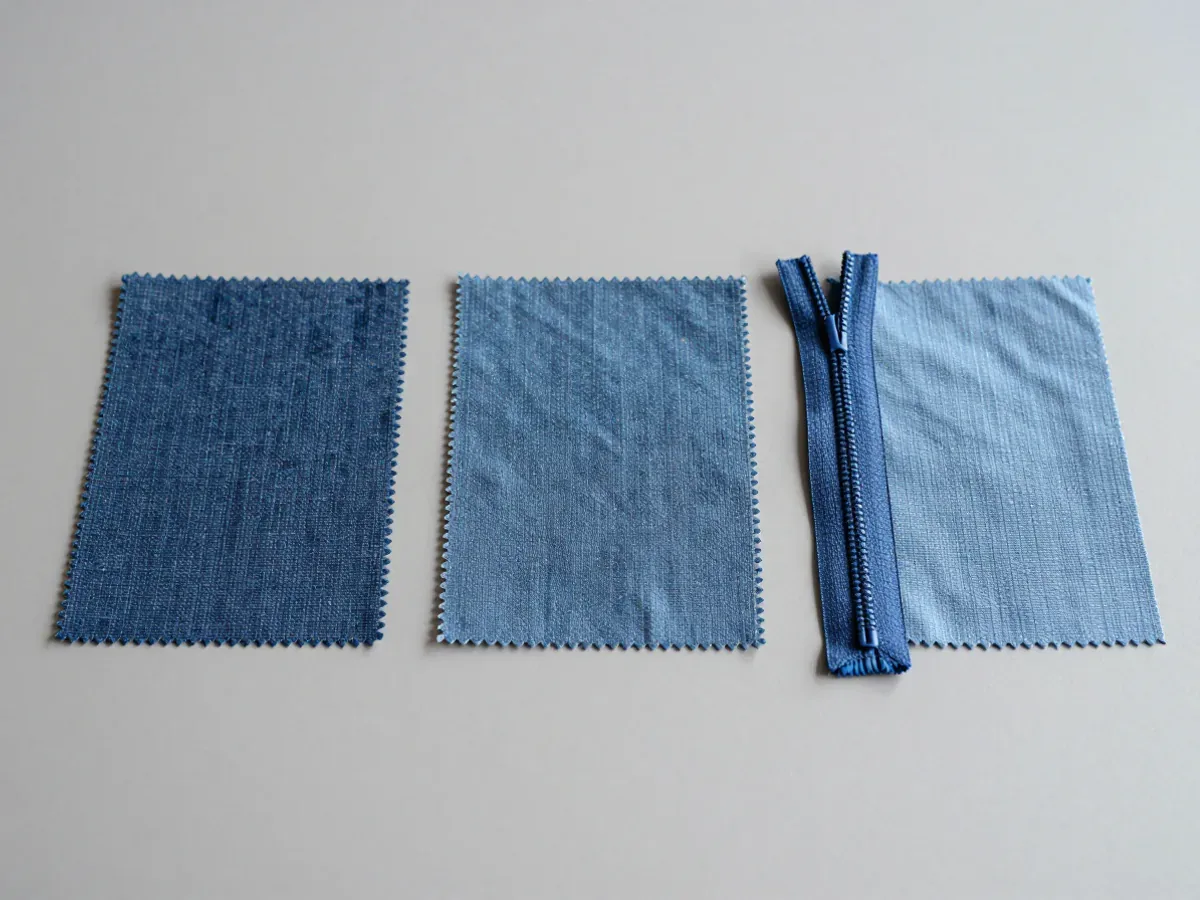
The first gap is colour, and it is the one buyers notice last. A stock blue is chosen by the mill, not by the brand. It may sit close to a brand's Pantone reference on a screen and drift badly on woven polypropylene, which takes dye differently from paper or plastic.
A buyer who wants a brand blue on a stock bag is usually offered the closest stock shade. That shade may be a half step off, and a half step is enough. Put the bag next to a printed catalogue, a store sign, or a competitor's bag in the same blue family, and the mismatch reads as a mistake.
Stock colours can be swapped for a Pantone match, but that swap is a production decision, not a printing decision. It changes the yarn, the dye lot, and the minimum. A supplier who only prints logos cannot make that swap, because the fabric was ordered before the buyer arrived.
The same logic runs through the handles and the zipper tape. A brand that specifies one blue on the body and accepts a different blue on the webbing has created two colours where the customer expected one. Colour consistency across fabric, webbing, and zipper is a spec item, not a print item.
Where the Shortcut Breaks: A Body You Did Not Specify
The second gap is structure, and it hides inside the word "stock." A stock moving bag comes in whatever dimensions the supplier believes sell best. Those dimensions may be fine for bedding and wrong for a buyer selling to students who move twice a year with a different load mix.
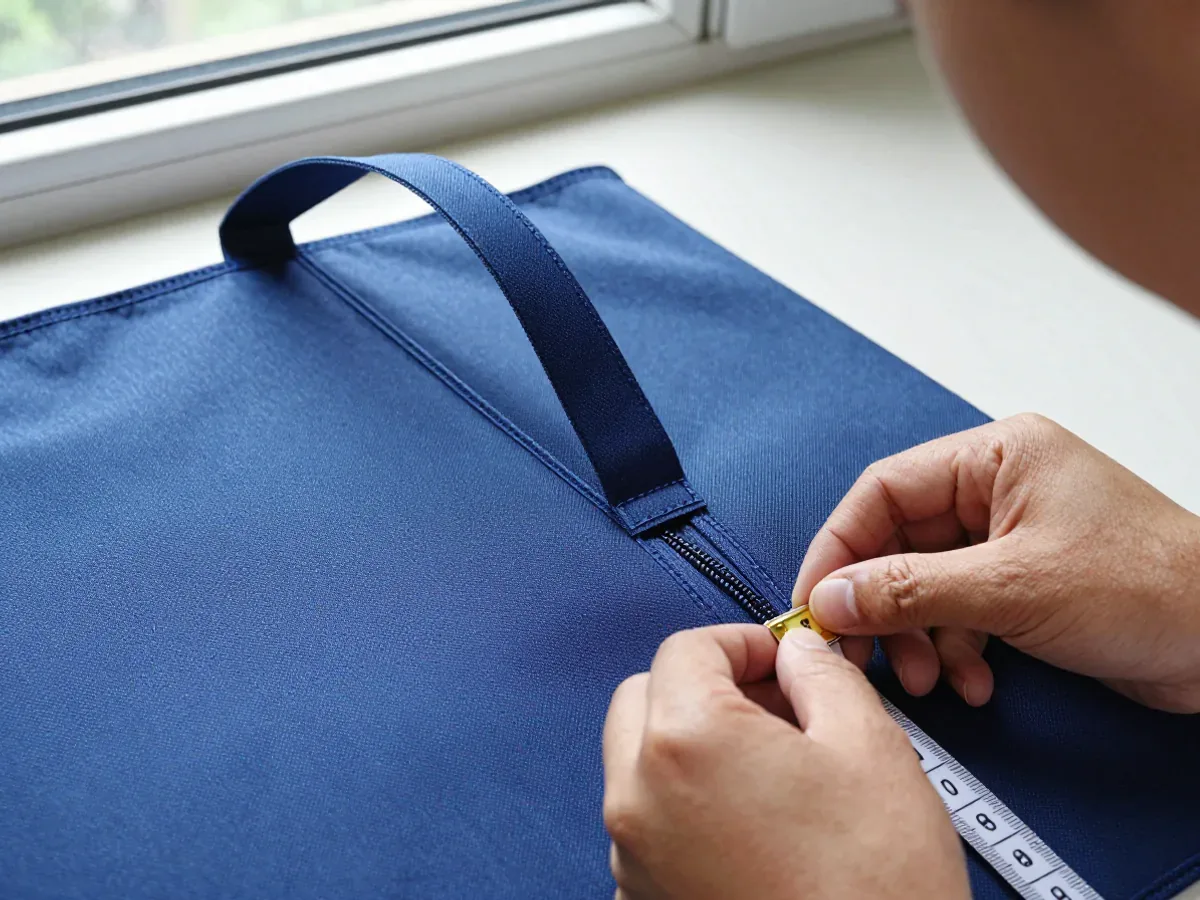
The body also carries the details that decide whether the bag survives a move. Handle attachment, bar tack placement, zipper gauge, and seam allowance are all set by the stock pattern. A buyer who prints a logo on that pattern has accepted every one of those choices without seeing them as choices.
Size is where this becomes commercial. A bag built around a 45.3 by 15.7 by 21.7 in body carries a different load profile than one built at 29.1 by 14.2 by 12.6 in. Those are different products for different customers, and a stock line usually offers one or the other, not a size built around a buyer's actual carton and shelf plan.
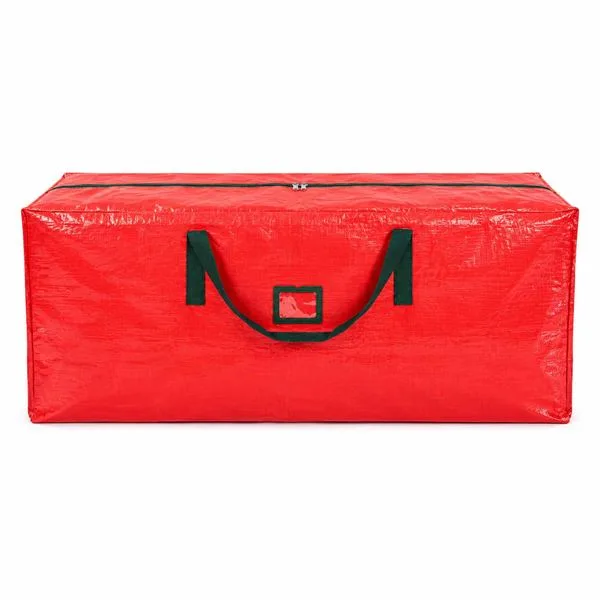
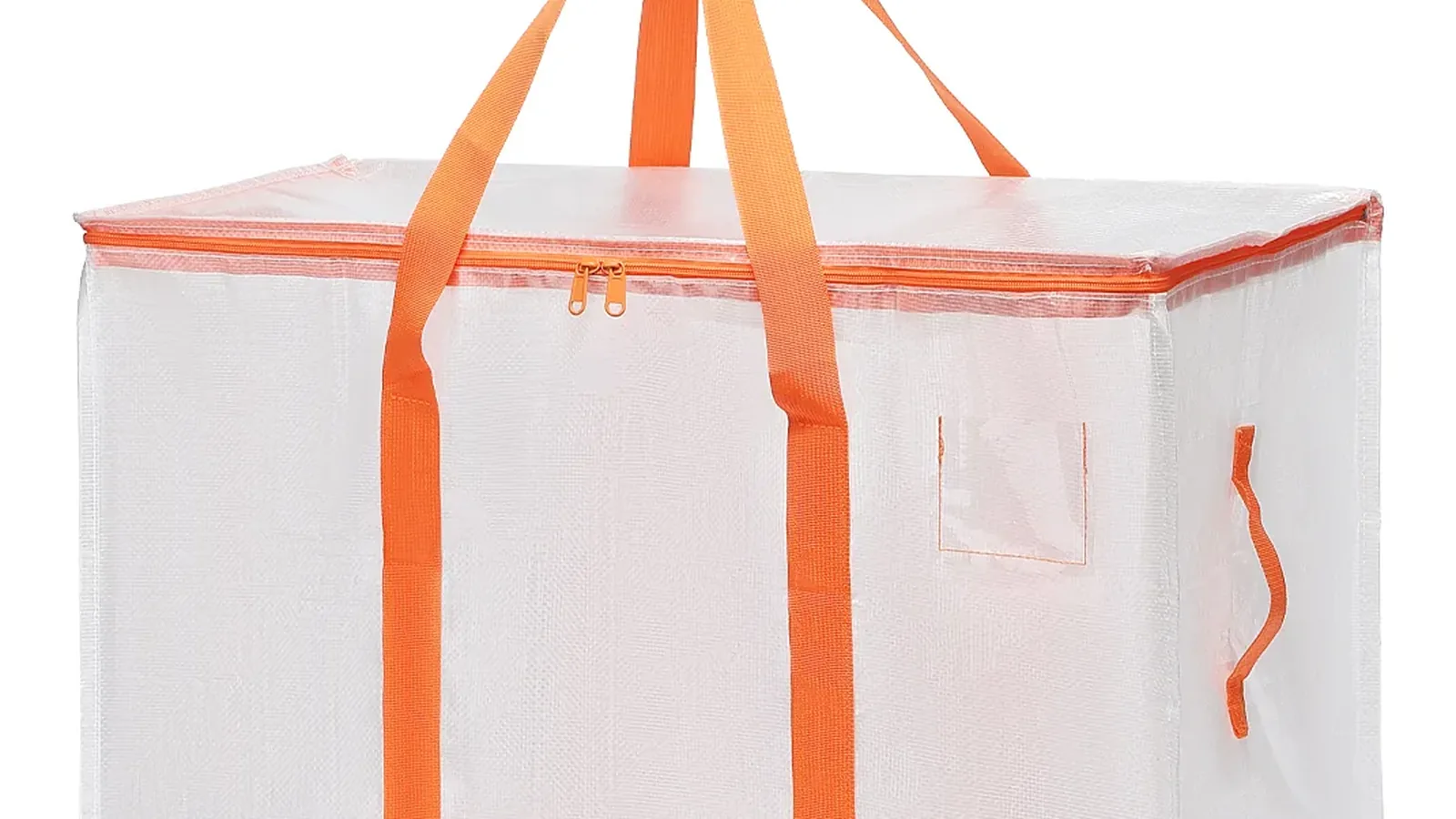
A card pocket on the face is another structural detail. A clear pocket that says what is inside turns a generic tote into a system a customer can label and reuse. That pocket is a pattern decision. It cannot be printed on after the fact.
What an OEM Run Actually Lets You Control
A real OEM run starts before the fabric is ordered. The buyer brings a size, a material, a colour reference, and a marking method, and the factory builds the bag around those inputs instead of around a stock shelf.
Material is the first control point. Most moving bags run in PE, PP woven, non-woven, polyester, nylon, canvas, or rPET, and each choice changes how the bag feels, how it folds, and how it ages. A buyer selling to professional movers picks differently from one selling to dorm students, and the material line in the spec should say which customer the bag serves.
Colour is the second control point. A Pantone match on the body, webbing, and zipper tape keeps the brand consistent across every component a customer can see. That match is agreed before production, not negotiated after the first cartons arrive.
Marking is the third. Screen print, heat transfer, or a woven label each behave differently on a woven surface, and each needs a proof before the run starts. A woven label sits in the handle or the body as a textile element. A screen print sits on top of the weave. The proof decides which one the buyer is actually approving.
Structure is the fourth. Handles, zipper gauge, bar tack, and pocket placement are written into the pattern, sampled, and locked. The bag that comes off the line is the bag the buyer specified, not the bag the supplier had in stock.
The Sample Round Is Where the Real Decision Happens
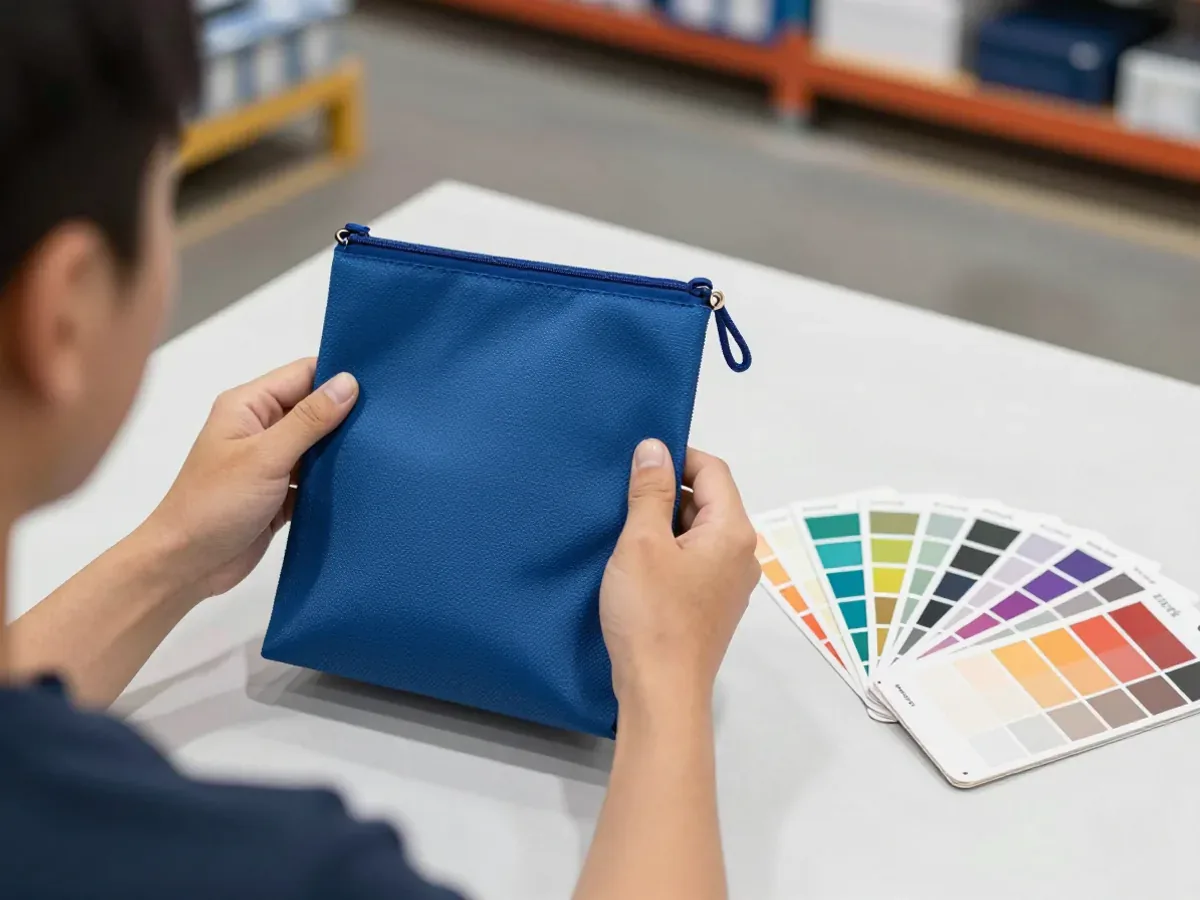
A new size or a new Pantone colour takes one sample round, and that round is where most of the risk gets retired. The sample is not a formality. It is the first physical object that shows the buyer what the spec actually means.
In that round the buyer checks the material hand, the seam, the handle drop, the zipper pull, and the colour under daylight. A blue that looked right on a screen can look grey in a warehouse. A handle that measured correctly on paper can sit too high on a loaded bag.
The sample also settles the marking. A logo proofed on a flat sheet can shift when printed across a seam or wrapped around a handle. Approving the proof on the actual bag body is the only way to know where the mark lands.
One round is usually enough when the spec is complete. Two rounds appear when the buyer changes the size after seeing the first sample, or when a Pantone match lands outside tolerance on the first dye lot. Both are normal, and both are cheaper than discovering the gap after mass production.
A Pre-Run Checklist for Private Label Moving Bags
Before a purchase order is confirmed, a buyer can close most of the gap between a printed stock bag and a real custom bag by walking through a short list with the supplier.
- Size and body: the dimensions, handle drop, zipper gauge, and pocket placement are written down and sampled, not assumed from a stock photo.
- Colour: the Pantone reference is agreed for body, webbing, and zipper tape, and the first dye lot is checked against it.
- Marking: the method is chosen, the artwork is proofed on the actual material, and the placement is confirmed on the sample.
- Incoming materials: fabric, webbing, zips, and thread are checked against the approved spec before cutting begins.
- Batch testing: pull, seam strength, and bar tack are tested on every batch, not just the first one.
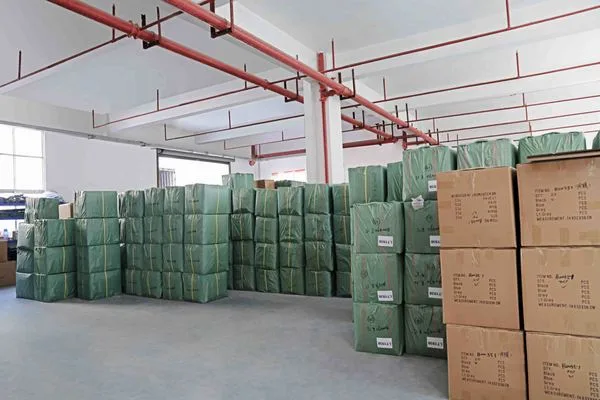
- Finished goods: dimensions, handles, logo, and packed quantity are checked by hand before cartons close.
- Dispatch: cartons are counted and photographed before the container seals.
That list is not long, and none of it requires a buyer to become a manufacturer. It requires the buyer to treat the bag as a specified product rather than a stock item with a logo on top.
FAQ
Can a buyer start from a stock blue bag and just add a logo?
Yes, and many buyers do for a first test order. The limit is that the blue, the size, and the handle stay the supplier's choices. If the brand needs its own colour or its own dimensions, the run has to start from the spec, not the shelf.
How many sample rounds does a new size or Pantone colour take?
A new size or a Pantone match typically takes one sample round. A second round appears when the buyer changes the size after the first sample or when a dye lot lands outside tolerance.
What gets checked on every batch before the cartons close?
Incoming fabric, webbing, zips, and thread are checked against the approved spec. Pull, seam strength, and bar tack are tested on every batch. Finished bags are checked by hand for dimensions, handles, logo, and packed quantity, and cartons are counted and photographed before the container seals.
Can the logo go on the handles instead of the body?
Yes. A woven label in the handle and a screen print on the body are both normal options, and each is proofed on the actual bag before production. The choice depends on how the mark reads against the weave and where the customer's hand falls when the bag is carried.