A side by side look at two packing options a moving company can run, built from product spec data and the cost lines crews already track.
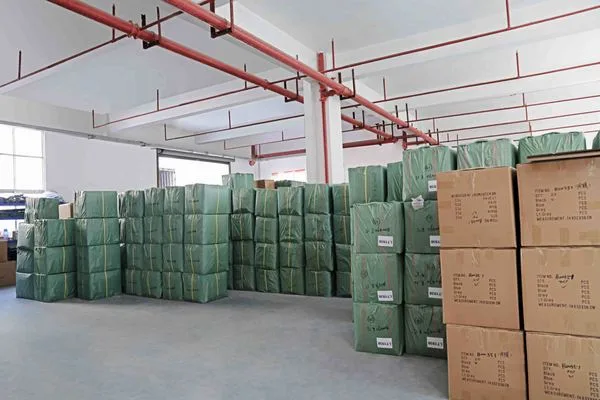
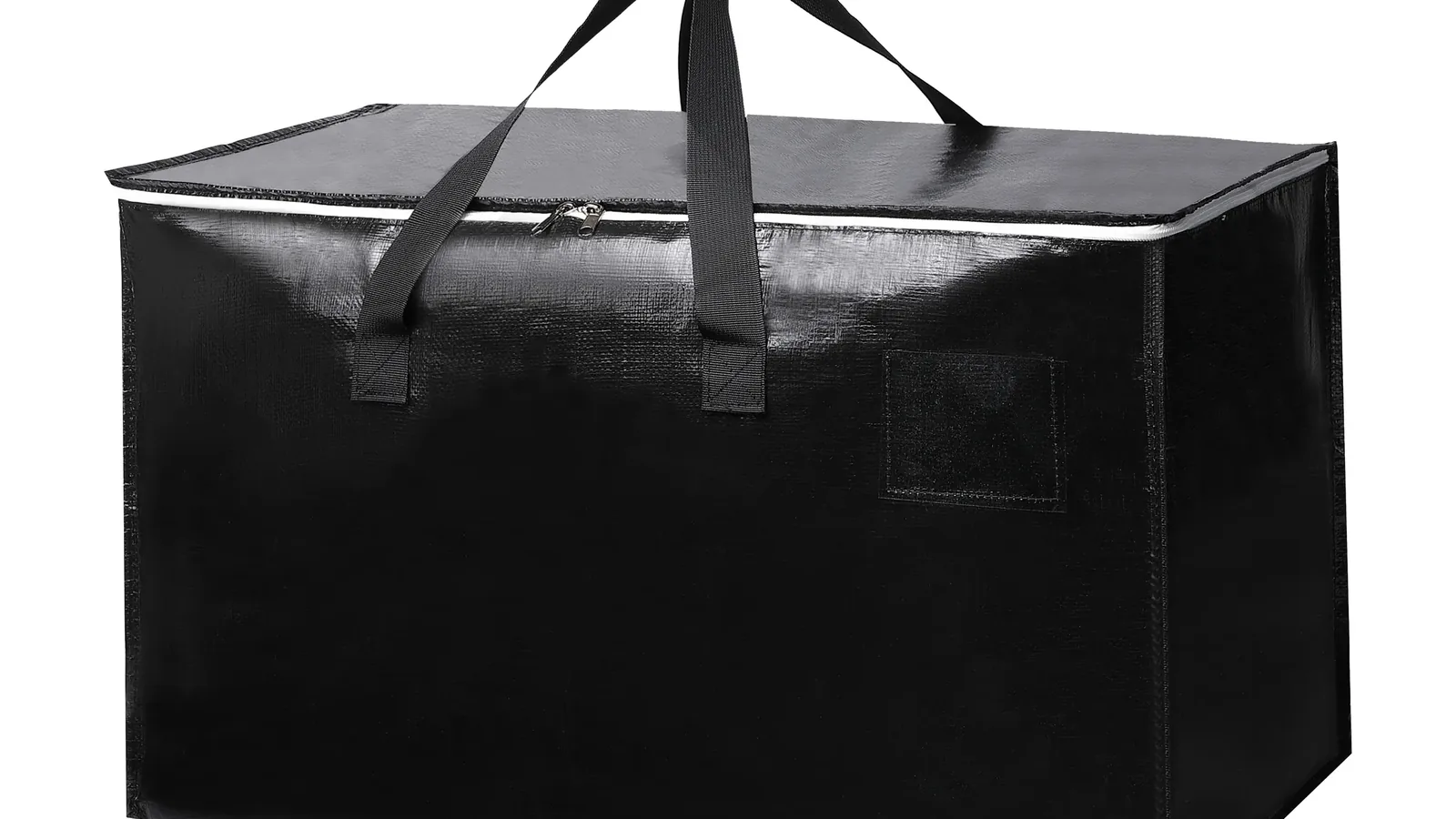
On a Tuesday morning in the loading bay, a crew lead watched two piles grow side by side. One was a stack of used grocery boxes, all different sizes, some with flaps torn and old labels still stuck on. The other was a neat row of grey woven bags with clear label windows, each one the same shape and the same footprint on the truck floor.
He had been running the free box route for years because the boxes cost nothing. That morning he started writing down what the boxes actually cost him, and the list got longer than he expected. The question in front of him was simple: does the free option really come out cheaper per move, or does it just hide the bill in different places?
Two Packing Options on the Same Loading Bay
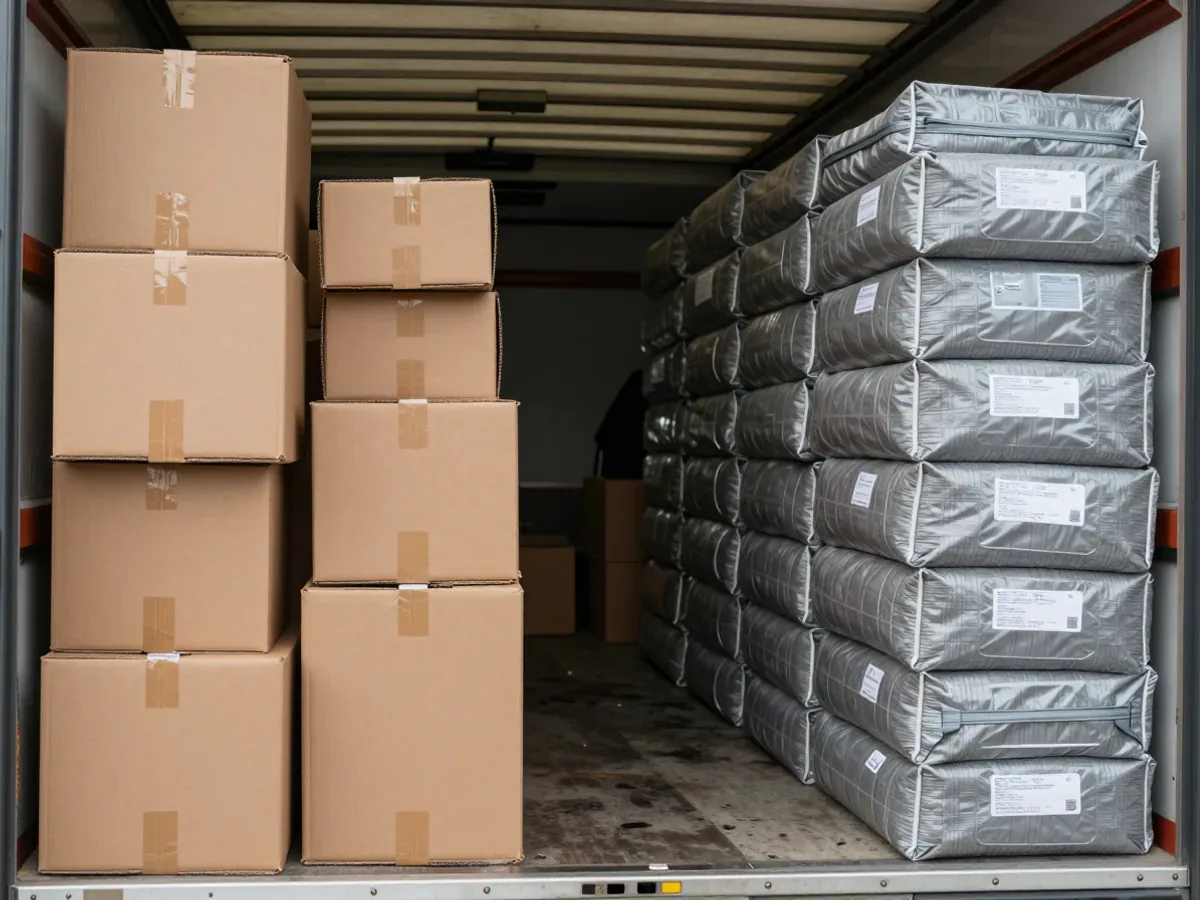
The free box route starts with a phone call or a drive. Crews collect boxes from grocery stores, liquor stores, or online marketplaces, then sort them by size and condition before a single item gets packed. That sorting time is real labor, and it happens before the job earns anything.
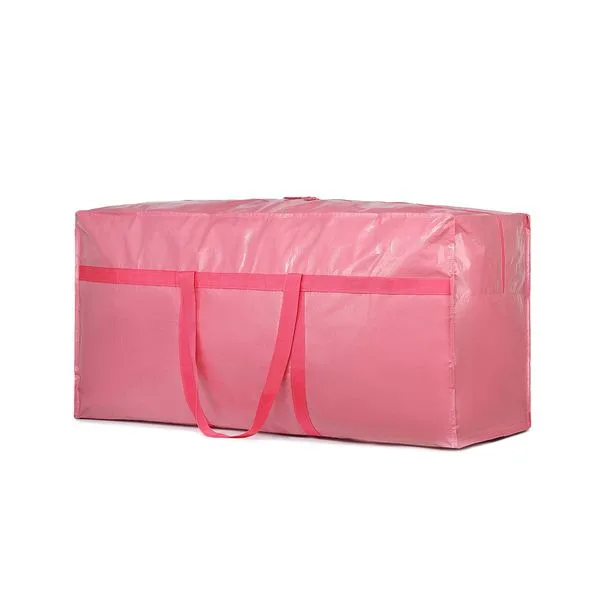
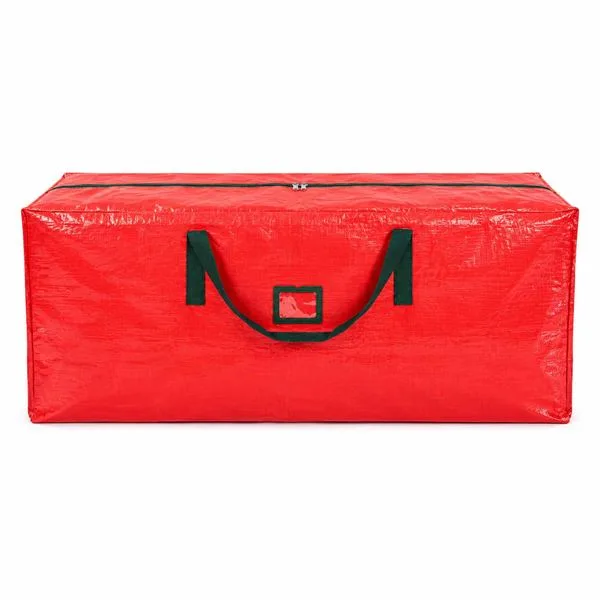
The reusable bag route starts with a purchase order. A mover buys a batch of heavy duty woven polypropylene bags, assigns them to crews, and sends them back out job after job. The upfront cost is visible and uncomfortable, which is exactly why so many small movers avoid it.
Put the two options on the same table and the comparison stops being about purchase price. It becomes a comparison of labor, consumables, risk, and how many moves each option survives before it needs replacing.
The Labor Line: Sorting Boxes vs Loading a Uniform Bag
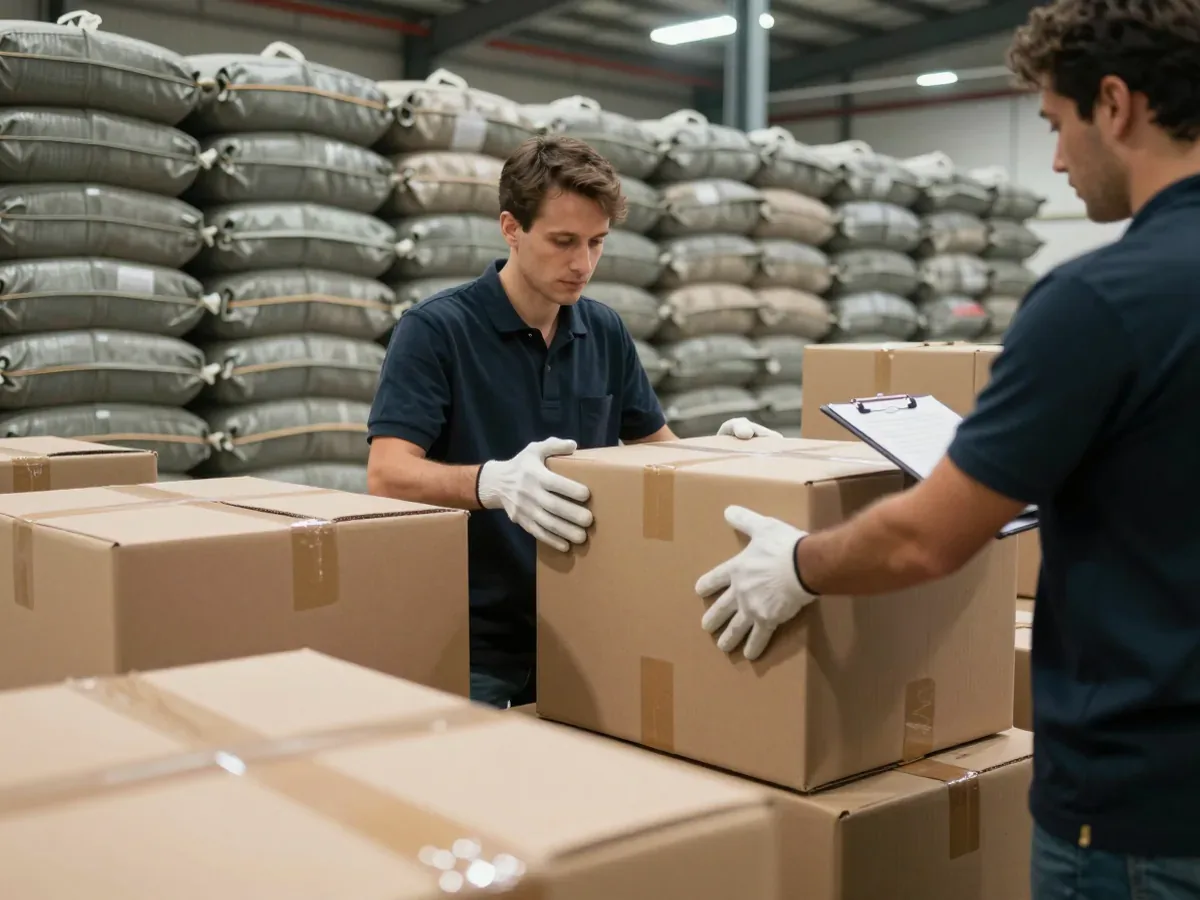
A used box has to be inspected before it is trusted. Someone has to check the flaps, press the walls, look for moisture damage, and decide whether it is worth packing. Multiply that by a full household and the inspection alone eats hours that could have gone into the move.
Uniform bags remove most of that decision making. A crew knows the size, knows how it stacks, and knows how much it holds, so the packing rhythm stays steady from the first room to the last. When every container is the same footprint, the truck loads predictably and the crew stops solving a puzzle on every job.
There is a second labor cost that rarely gets counted. A mix of random box sizes creates unstable stacks, and unstable stacks slow loading because someone has to keep rearranging. Standardized containers stack the same way every time, which shortens the load and protects the crew from a collapsing wall of cardboard.
The Consumables Line: Tape, Wrap and Reinforcement
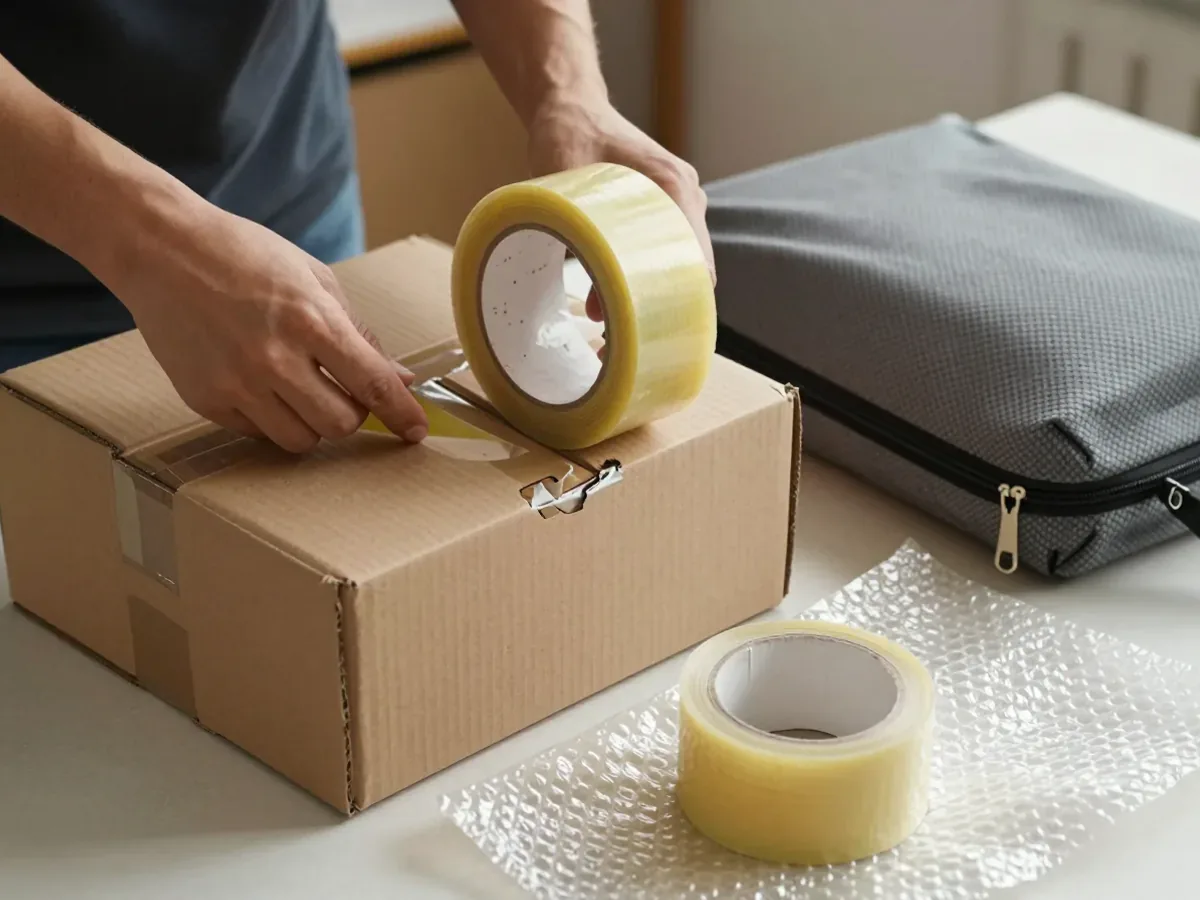
Salvaged boxes are rarely ready to travel. They arrive with weak spots, missing flaps, and old labels that have to be covered or removed. Every one of those problems pulls tape, wrap, and packing paper out of the supply room.
A full household of weak boxes can consume several rolls of quality packing tape just to make the containers safe to lift. Add bubble wrap and packing paper for the fragile items and the consumables line grows quietly through the season. None of that spending shows up in the "free boxes" column.
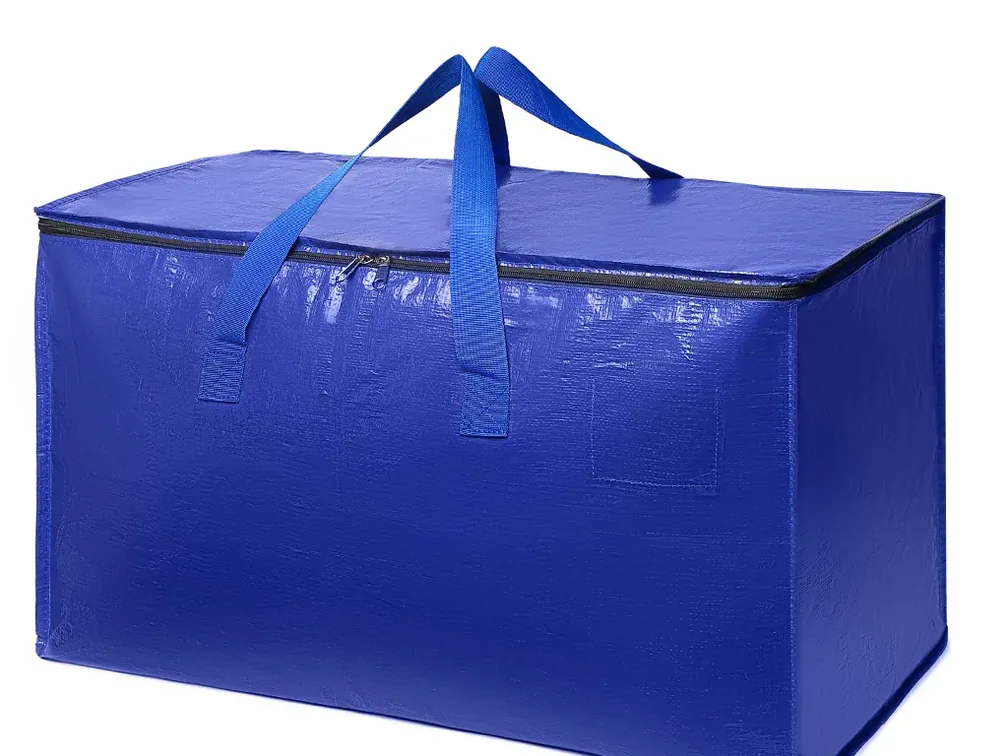
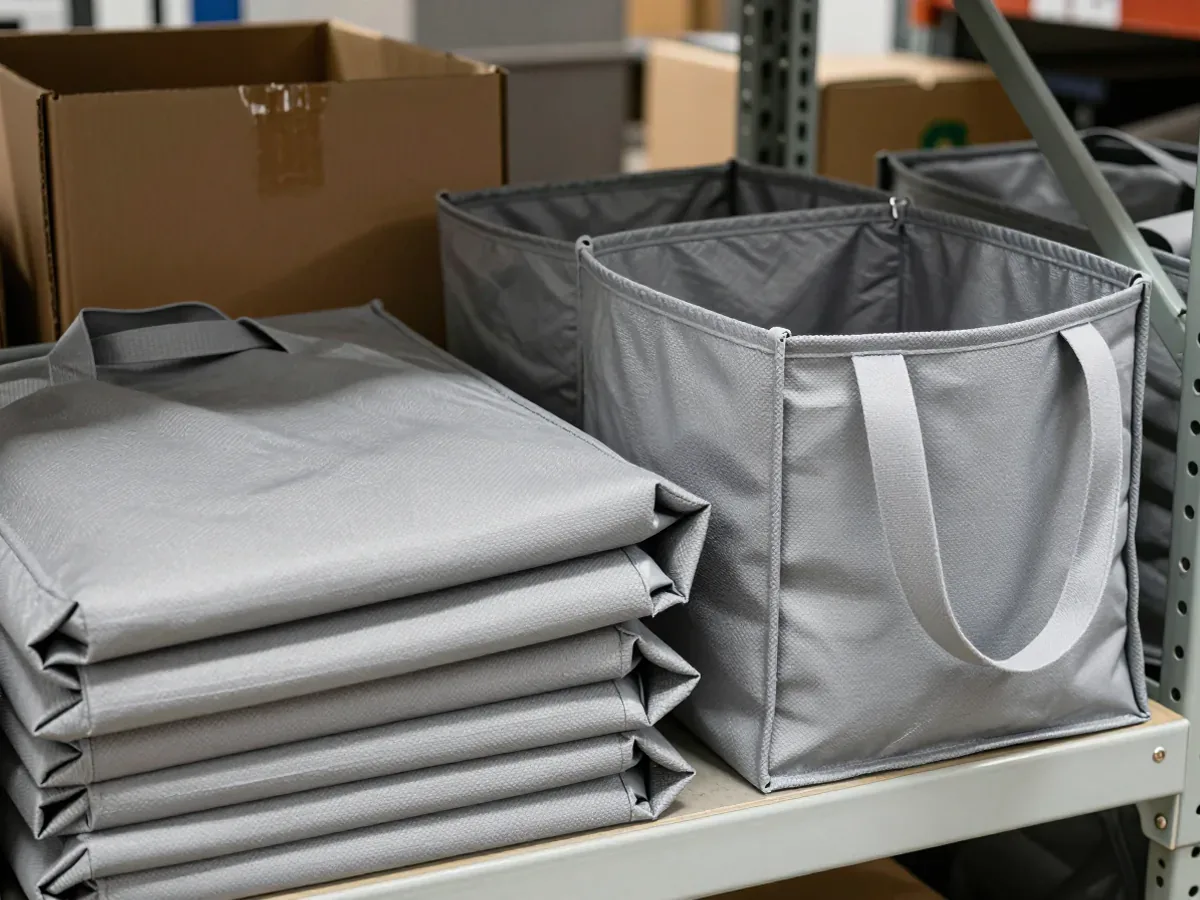
Bags change the consumables math because the container is already closed. The top zip carries two pulls so the opening closes from either end, and the shell itself does the job that tape and wrap were doing on cardboard. A mover still wraps fragile items, but the container no longer needs reinforcement before it can be loaded.
The Risk Line: What a Collapsed Box Costs After the Truck Leaves
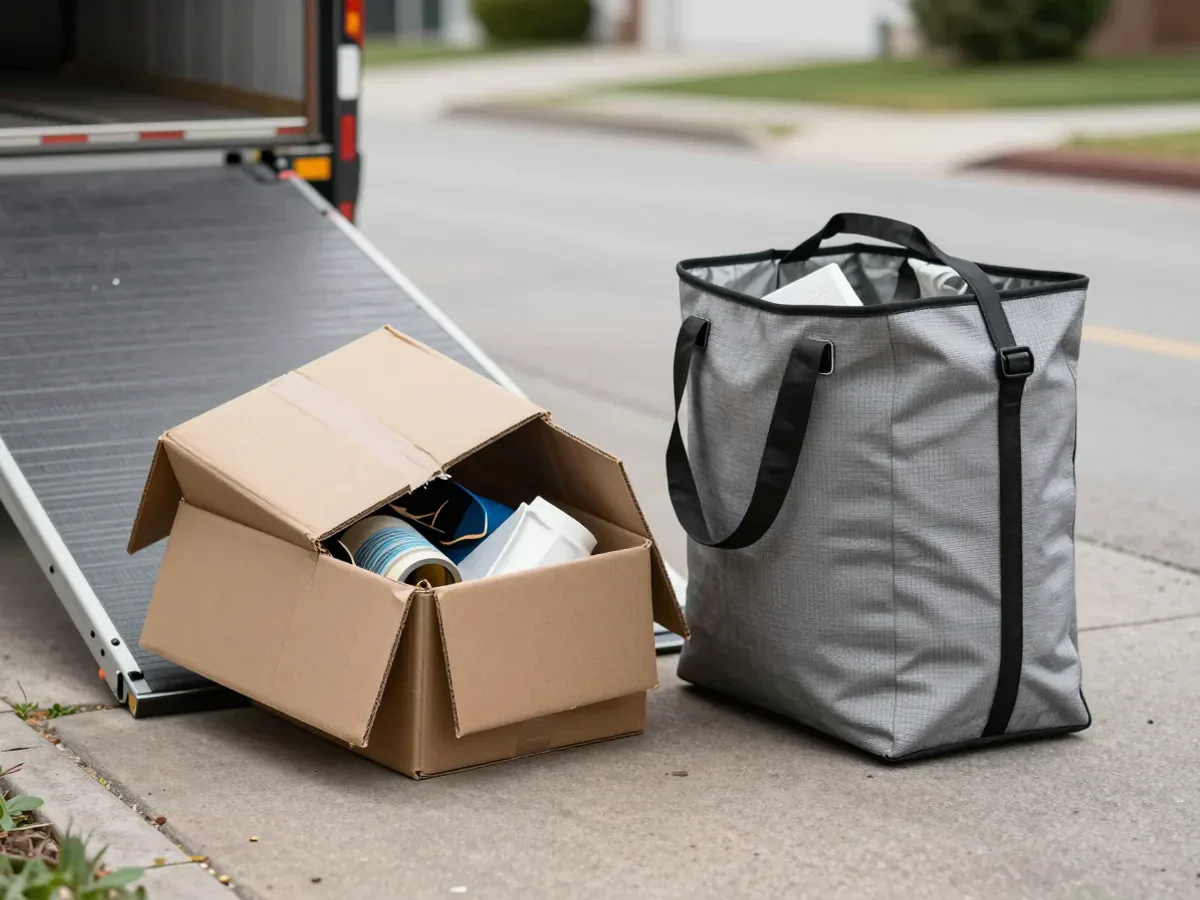
The most expensive box is the one that fails after the truck has left the driveway. A used box exposed to moisture or carrying hidden wear can collapse without warning, and the damage lands on the client's possessions, the insurance claim, and the crew's safety record.
Many professional movers refuse to insure items packed in damaged or unsuitable customer provided boxes, which turns a failed box into a dispute rather than a claim. A collapsing stack can also injure a mover, and that injury carries workers compensation costs and lost days that no free box ever offsets.
Bags do not remove risk, but they change its shape. A woven PP shell resists splashes, though the seams are stitched rather than sealed, so the bag is not waterproof. That limitation is worth writing into the packing rules so crews know which items still need a lined container.
The Trips Line: How Many Moves Each Option Survives
A cardboard box survives one move, sometimes two if it was strong to begin with and the client packed it gently. After that it goes to recycling, and the next job starts with another sourcing run. The cost per move never drops because the container never comes back.
A reusable moving bag is built to return. The shell wipes clean, so the same bag goes back out on the next job, and it folds flat when empty so a fleet can store a season's worth of bags in a corner of the warehouse. The woven texture also hides marks better than a smooth film, which keeps a working bag looking presentable longer.
There is no single published number for how many moves a bag survives, and consumer bag statistics do not transfer to commercial moving. The honest answer is that lifespan depends on shell weight, handle construction, and how hard the crew loads it. A mover who tracks a small batch of bags through real jobs will learn the number faster than any spec sheet can tell them.
Which Option Fits a Small Crew and Which Fits a Fleet
A two person crew with a handful of local jobs a week can still make free boxes work, especially if the jobs are light and the clients pack themselves. The labor drain is annoying but survivable, and the upfront cash stays in the bank. That crew should watch the consumables line closely, because tape and wrap are where the free option quietly loses its advantage.
A fleet running multiple trucks and repeat commercial accounts has a different problem. Every hour spent sourcing and sorting boxes is an hour not billed, and every failed box is a claim waiting to happen. For that operation, a batch of durable bags with reinforced handles turns packing supplies into a fixed asset instead of a recurring purchase.
The size that fits most home moves is a 27.2 × 13.8 × 15 in body, which holds a wardrobe shelf, bedding, or the contents of a cupboard. The longest bag in the range carries a heavier shell because a full 45.3 in bag needs the extra support, and that same shell holds a full bedding load without the base sagging.
A Decision Table for the Next Packing Season
| Dimension | Free boxes | Reusable bags |
|---|---|---|
| Labor | Sourcing, sorting, and inspecting before every job | Assign, load, wipe down, return to storage |
| Consumables | Tape, wrap, and paper to reinforce weak boxes | Container closes on its own, wrap only for fragile items |
| Risk | Collapse, insurance refusal, injury, disputes | Splash resistant, not waterproof, seams stitched |
| Cost per move | Resets every job because the box does not return | Falls as the bag completes more jobs |
Read the table by column rather than by row. A mover who only looks at the first line sees free boxes winning on price. A mover who reads down the cost per move column sees the bag pulling ahead once it has completed enough jobs to spread its purchase price across them.
What to Check on the First Batch of Bags
The first delivery decides whether the switch works. Check the handle attachment first, because handles are the most common failure point and a dense row of stitching is what carries a heavy load. The webbing on the long bag should run the full length of the bag rather than stopping under the handles.
Check how the bag behaves when it is full. A loaded bag should hold its shape so it stacks in the truck, and the base should not sag under a bedding load. Check the closure as well, since a zip that closes from either end keeps the opening controlled when the bag is packed tight.
Check the storage story before the season starts. A bag that folds flat when empty is easy to warehouse, and a clear label window lets a crew identify a stack without opening every bag. Every order we run passes four checkpoints, and a mover inspecting a first batch should apply the same discipline before committing a fleet to the switch.
FAQ
Are free boxes from grocery stores really more expensive than buying bags?
They are cheaper at the till and more expensive across the season. The sourcing, sorting, and reinforcement labor plus tape and wrap add up on every job, and none of it produces a container that comes back for the next move.
How many moves can a woven PP moving bag survive before retirement?
There is no single standard number. Lifespan depends on shell weight, handle construction, and load intensity, so the reliable method is to tag a small batch and log how many jobs each bag completes before it is retired.
Can a moving bag replace boxes for a full household, or only for bedding?
A 27.2 × 13.8 × 15 in bag covers the size most home moves are built from, including a wardrobe shelf, bedding, or a cupboard's contents. Fragile items still need wrapping, and anything that must stay dry needs a lined container because the stitched seams are not waterproof.
What should a mover inspect on the first delivery of bags?
Start with the handle stitching and the webbing run, then load one bag fully to check base sag and stack stability. Confirm the closure works from both ends and that the empty bag folds flat for storage.