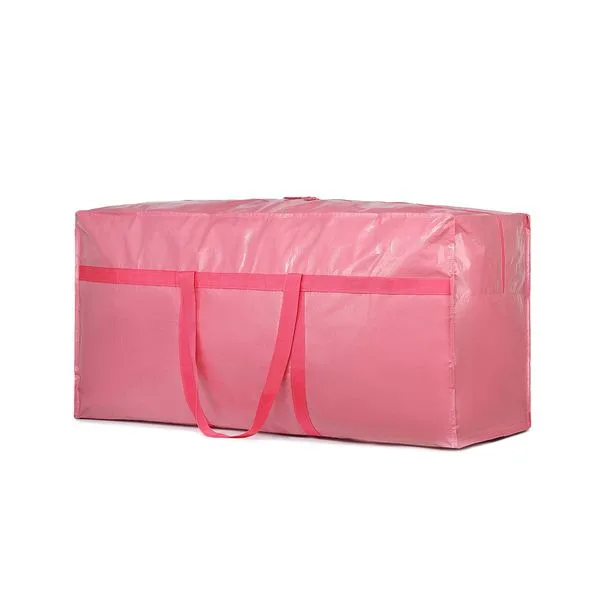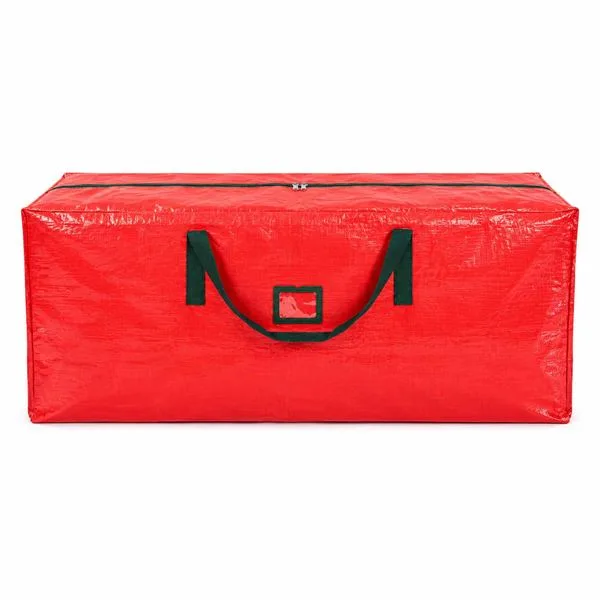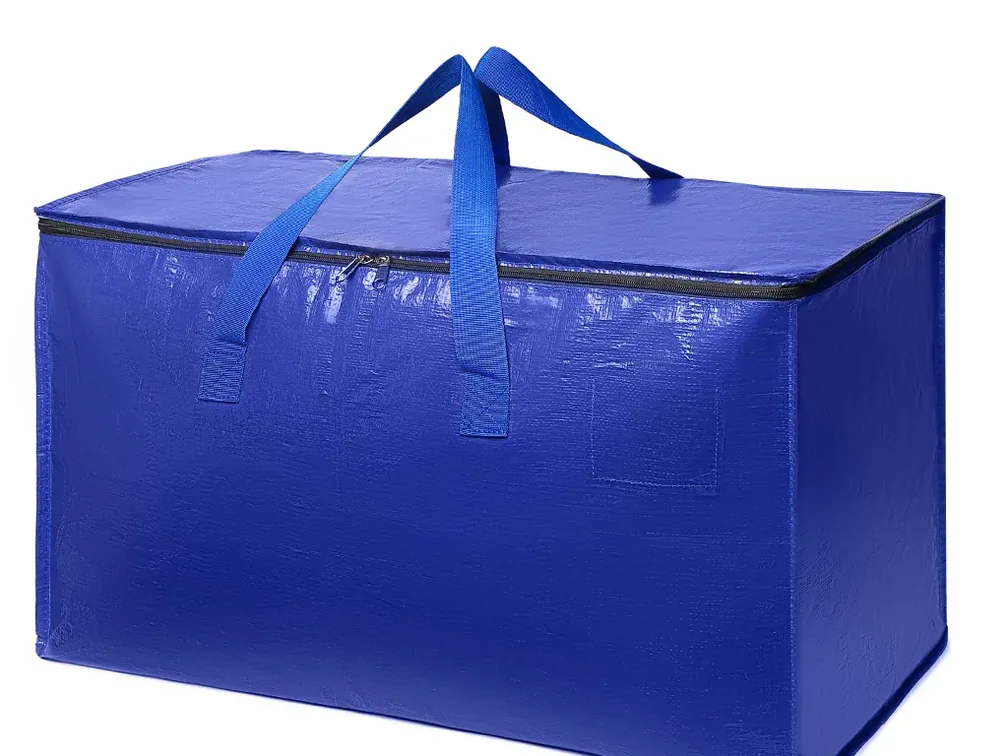
A side-by-side look at two bag choices for local retailers, built from the product details behind small non-woven grocery totes.
A buyer forwarded a competitor's claim last spring: that any corner store ordering fewer than a few thousand bags should stay with stock bags and forget custom print. She ran a shop of about 600 square feet and wanted a second opinion before signing a repeat order. Two options sat on her counter that week, a plain stock bag from a local wholesaler and a printed small non-woven tote, and they behaved nothing alike.
The competitor's claim mixed two separate questions. One is whether a small shop can justify custom bags at all. The other is whether a stock bag solves the same problems a printed tote solves. Put the two bags side by side and the answers split by dimension, not by size of shop.
Two Bags on the Counter, One Decision
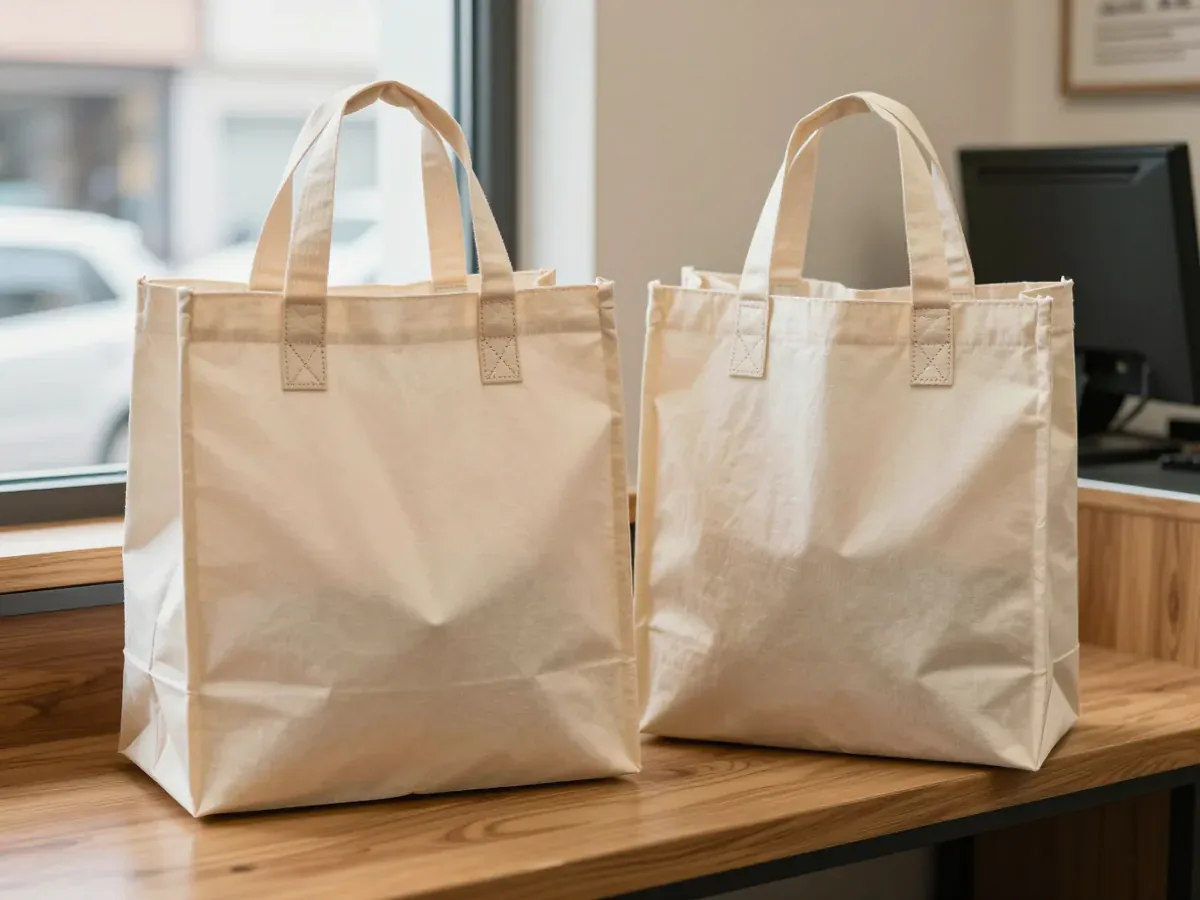
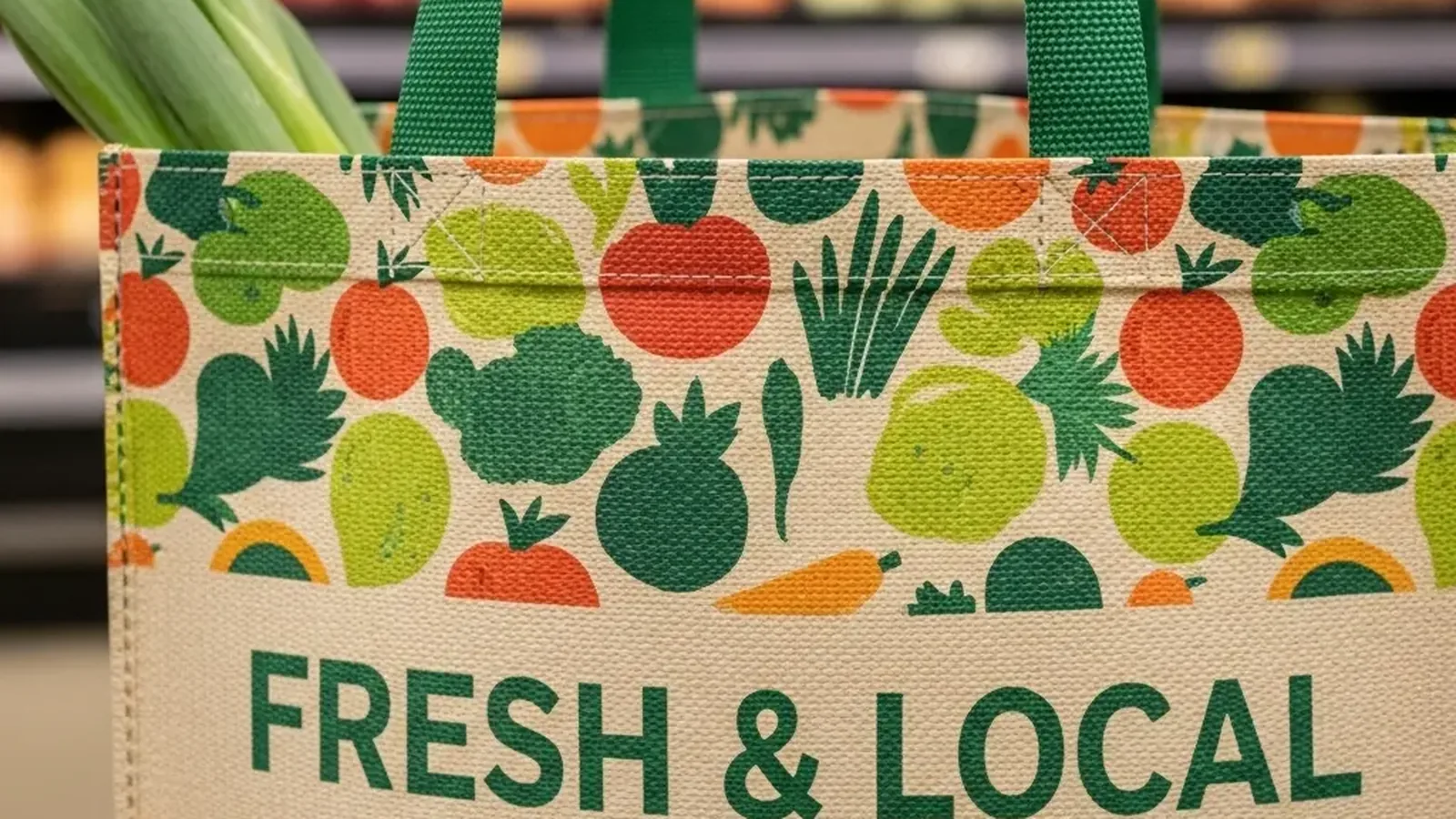
The stock bag arrived in a carton of several hundred, undifferentiated, no logo, one size. The custom tote arrived as a sample: a small non-woven shell, soft and breathable, printable across the face, with handles stitched through the body rather than tacked on. Both held a week of groceries in testing. Only one kept the shop's name in circulation after the customer left.
That difference frames the decision. A stock bag is a utility purchase, bought to hand out and forgotten. A custom small tote is a utility purchase plus a branding decision, and it carries a minimum order, a print proof and a packing format with it. Neither is wrong. They answer different questions.
The competitor's claim treated cost per bag as the only variable. A corner store also pays for storage, for replacement of failed bags, and for whatever brand visibility it does or does not get. Those three lines change the comparison.
Storage: Which Bag Disappears Between Deliveries?
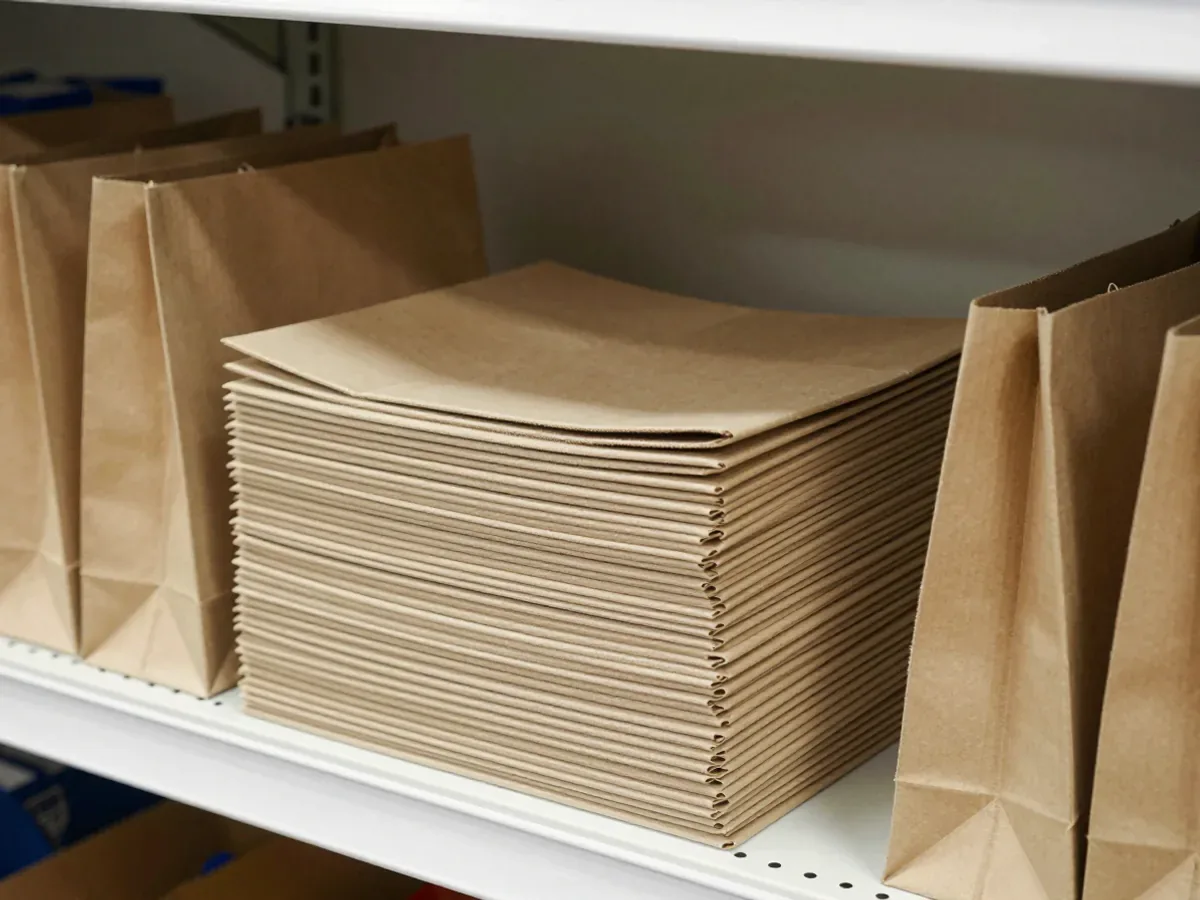
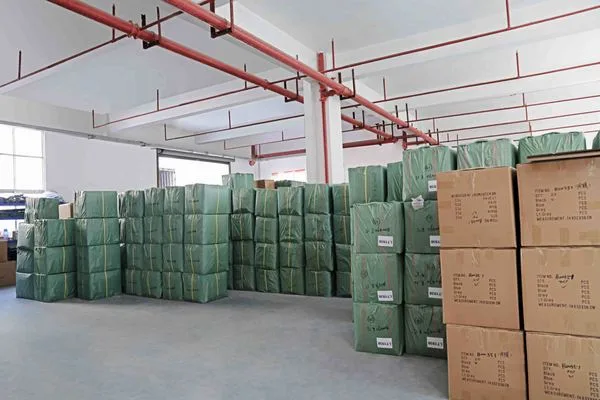
Shelf space is the first place the two options separate. A stock bag order usually arrives as a dense carton that has to sit somewhere in the back, and in a small shop the back is already full. The carton stays until it is empty, and it takes floor or shelf room the whole time.
A non-woven shell folds flat for storage between seasons, and small totes nest together when not in use. That matters in a shop where every inch is inventory space. A folded tote stack can live on a high shelf or in a drawer and come out for a promotion, then go back. The stock carton cannot do that; it is either open on the floor or in the way.
There is a second storage question. A custom order arrives in a packing format the buyer chooses: polybag, hang tag, retail carton or per-store packing lists. A shop with one location can take the simplest format and store the bags loose. A shop running two counters can take per-store packing lists and split the delivery without recounting by hand. Stock bags rarely offer that choice.
Durability: Where a Small Tote Actually Fails
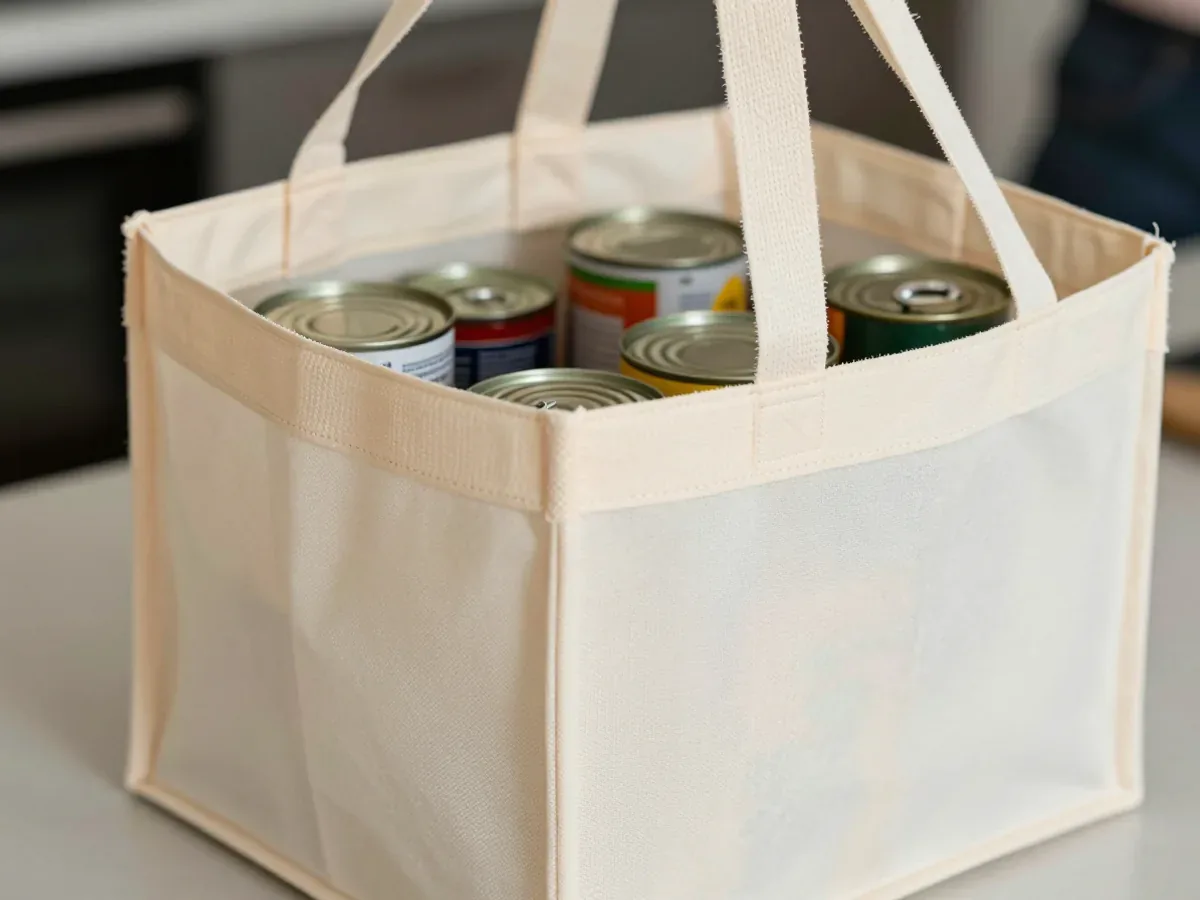
The failure pattern is not where most buyers expect. A small grocery tote rarely tears across the face. It fails at the base and at the handle attachment, usually after repeated loads of cans, bottles or boxed goods.
A reinforced bottom is the first defense. It keeps the bag from sagging under a heavier small load and holds shape after repeated use. A non-woven shell also keeps a box standing while it is loaded, which matters at a checkout counter where the cashier packs fast. Thicker gsm material and double stitching add margin on top of that.
The handle is the second failure point. Handles stitched through the body distribute load into the shell. Handles tacked on at two points concentrate stress at the stitches and let go first. A buyer comparing two quotes that look identical on paper should ask which construction the price includes, because the difference shows up in month three, not week one.
Stock bags fail the same way, but the buyer has less control over the spec. What the wholesaler stocks is what the shop gets. With a custom order, the base reinforcement and the handle construction are decisions the buyer can write into the spec and check at inspection.
Branding: How Much Print Does a Small Shop Need?
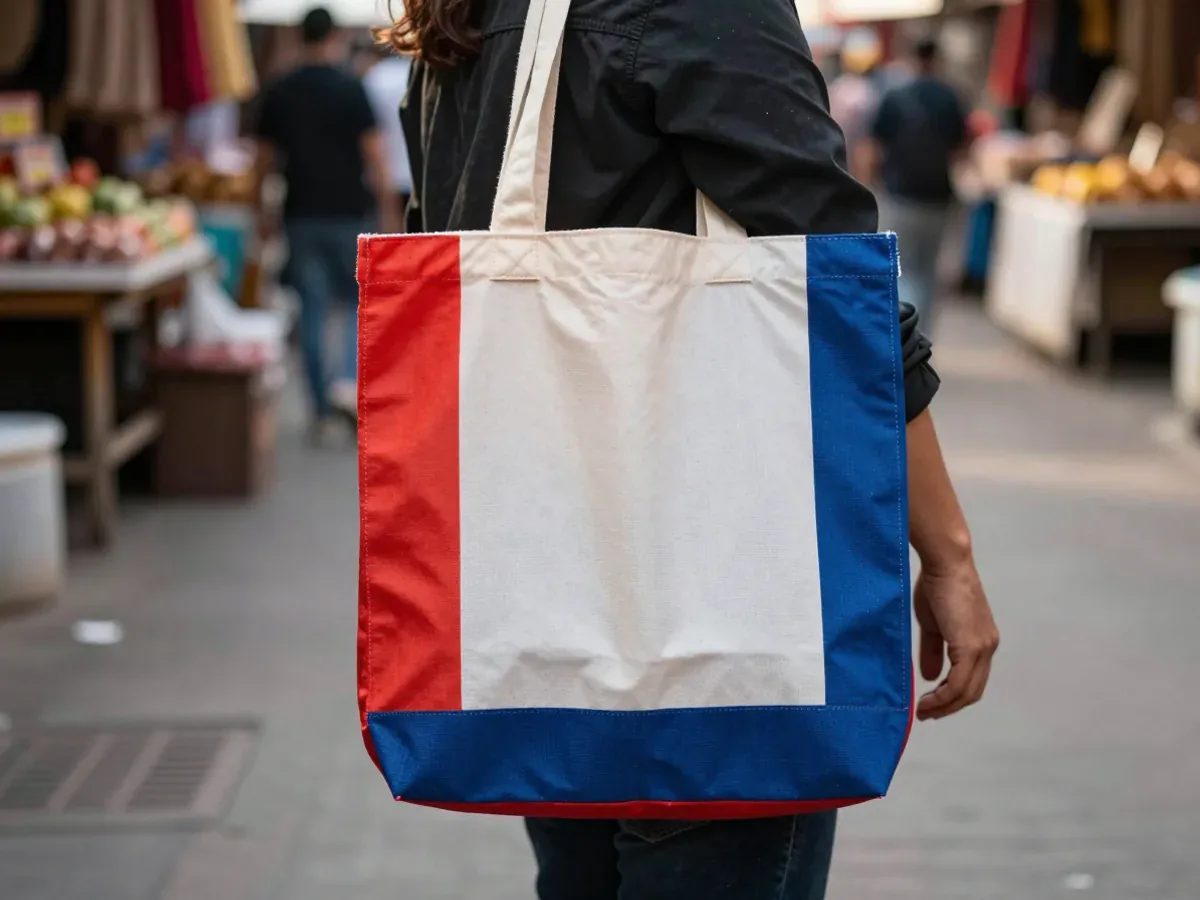
A stock bag carries no name. That is fine if the shop only needs a bag to carry goods home. It is a missed opportunity if the shop wants repeat visits, because a plain bag leaves the store and stops working immediately.
A custom printed non-woven bag keeps the store name in public longer than a plastic bag that disappears quickly. Sharp printing and correct logo alignment decide whether that exposure helps or hurts. A crooked logo on a bag that travels through a street market or onto public transport undercuts the brand it is meant to build.
The print method is a real decision, not a formality. A logo can run as a screen print, a heat transfer or a woven label, and each is proofed before production. A shop with a simple one-color wordmark usually needs the least complex option. A shop with a detailed mark or a supplier logo alongside its own should proof both together and check alignment at the sample stage.
Color choice sits inside the same decision. Bold, high-contrast color improves recognition in street environments, and a background-to-logo contrast around 2:1 is a common starting point for legibility. A new color is a Pantone match, so the shop is not limited to stock shades.
Order Size: What a 500-Piece Run Really Buys
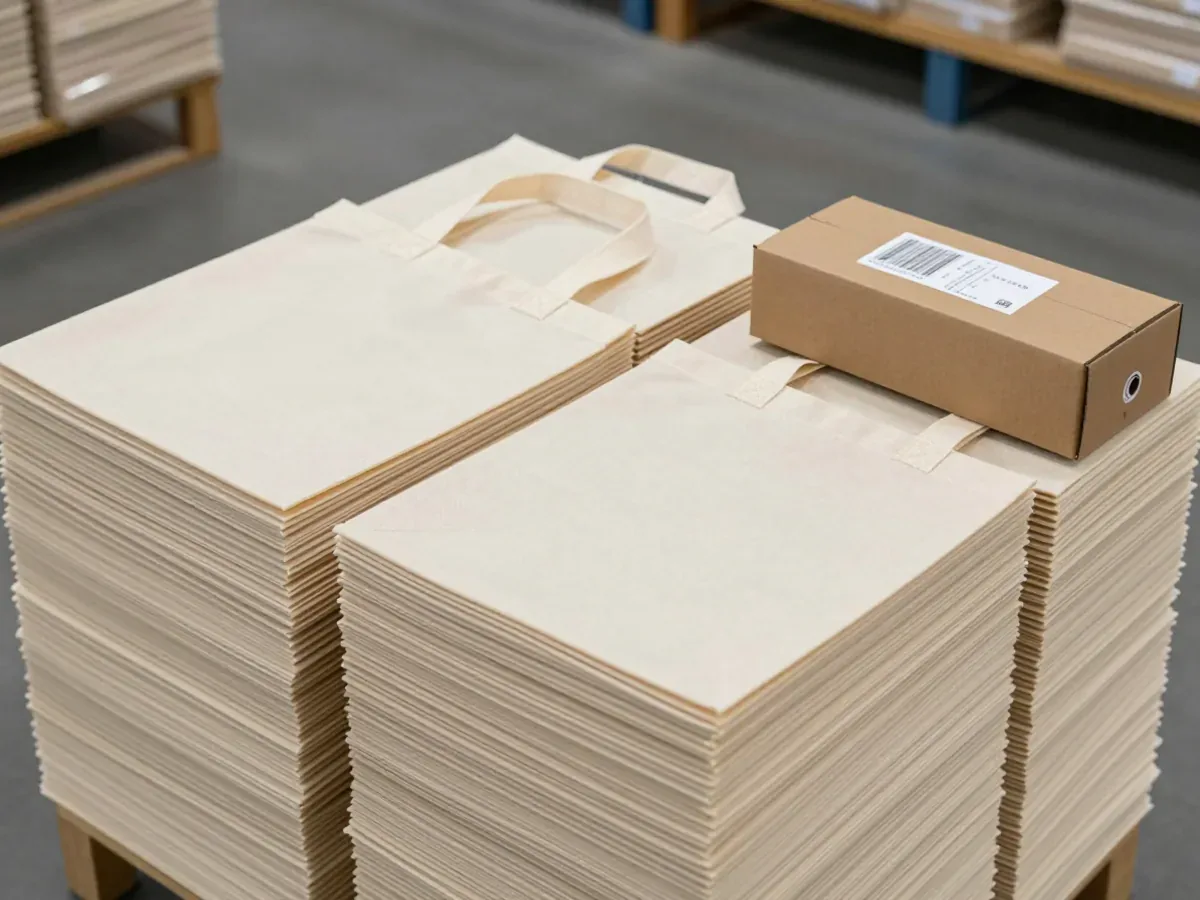
The competitor's claim assumed custom orders start in the thousands. Custom non-woven bag orders can start as low as 500 pieces, which changes the arithmetic for a small shop. A 500-piece run is enough to test a design, run a seasonal promotion or try a color without tying up capital in stock the shop cannot move.
What 500 pieces actually buys is a test with a real sample behind it. A new size takes one sample round, and a custom size is a standard request built from the buyer's own measurement. The shop can see the bag, check the print proof and confirm the handle before committing to a repeat.
The risk a low minimum removes is overstocking. A shop that orders 5,000 bags to get a better unit price and then changes its logo has a storage problem and a branding problem at once. A 500-piece run lets the shop respond to seasonal or event-specific demand and reorder once the design proves itself at the counter.
Stock bags win on one point here. There is no minimum, no proof and no lead time beyond what the wholesaler has on the shelf. A shop that needs bags this week and has no brand plan should take that deal.
Who Should Pick Which Bag
A stock bag suits a shop that needs a carrying device and nothing more. That includes a new shop still testing its identity, a seasonal stall that will not repeat the order, or a location where the bag leaves and is never seen again in the neighborhood.
A custom small tote suits a shop with a stable name, a repeat customer base and a place to store a folded stack. It also suits a shop that wants to co-brand. Printing both a supplier logo and the retailer logo gives each partner visibility, and a supplier's certification can lend credibility to a small shop's sustainability claims. That works only when both marks are proofed and aligned.
A middle path exists. A shop can run stock bags at the counter and a small custom run for loyalty gifts or takeout orders, where the bag is handed to a regular customer who will use it again. The two options do not have to be exclusive, but they should be budgeted separately.
A Decision Table for the Counter
| Dimension | Stock bag | Custom small non-woven tote |
|---|---|---|
| Storage | Dense carton, takes floor or shelf space until empty | Folds flat, nests when not in use |
| Durability control | Fixed by wholesaler spec | Reinforced base and stitched-through handles written into spec |
| Branding | None | Screen print, heat transfer or woven label, proofed |
| Minimum order | None | From 500 pieces |
| Packing format | Wholesaler's carton | Polybag, hang tag, retail carton or per-store lists |
| Best fit | New shop, one-off event, urgent need | Stable name, repeat customers, co-branding |
Read the table by row, not by column. A shop that fails the storage row and the branding row should stay with stock bags until both change. A shop that passes both and can commit to 500 pieces has a case for the custom route.
What to Check Before the Repeat Order
The first order proves the design. The repeat order is where construction and packing get tested, because the shop now knows how the bags behave in daily use.
Check the base first. Press down on the bottom of a used bag and look for sagging or separation at the seam. A reinforced bottom should still hold its shape after a month of cans and bottles.
Check the handle attachment second. Pull each handle away from the body and watch the stitch line. Handles stitched through the body should hold; a tacked handle will show stress at the two contact points. Check the print alignment third, especially if a supplier logo sits next to the shop logo.
Confirm the packing format before the repeat ships. A shop that switched to two counters needs per-store packing lists, and that request belongs in the order, not in a message after production starts. Every order passes four QC checkpoints, and the buyer should know which ones cover the base, the handle and the print.
FAQ
Is a 500-piece run enough for a small shop to test a design?
Yes. Custom non-woven orders can start at 500 pieces, which covers a seasonal promotion or a color test without overstocking. A new size takes one sample round, so the shop sees the bag before the full run.
Can a custom small tote be printed with both the shop logo and a supplier logo?
Yes. Co-branding prints both marks, and each gains visibility. Proof both together and check alignment at the sample stage, because a shift in one logo shows against the other.
How do I check the handle and base before reordering?
Pull each handle away from the body to test the stitch line, and press the base to look for sagging or seam separation. Compare the result against the spec, then confirm the packing format in writing before production starts.