

This comparison draws on our canvas tote specs, hardware options and production notes for zippered and open styles.
The inspection table held two totes from the same buyer, same canvas, same handle length, and only one difference: a top zip. The open tote passed every checkpoint. The zippered one failed on the tape ends, where the slider caught a loose thread and the pull stuck halfway. That single failure sent the buyer back to a question she should have answered before sampling: did this order need a zip at all?
Both bags were fine products. The failure was not in the sewing. It was in the decision that came before the spec sheet, when a closure was added because it sounded safer rather than because the use case demanded it. Putting the two options side by side, line by line, makes that decision visible.
Two Bags on the Same Table, One Zip Apart
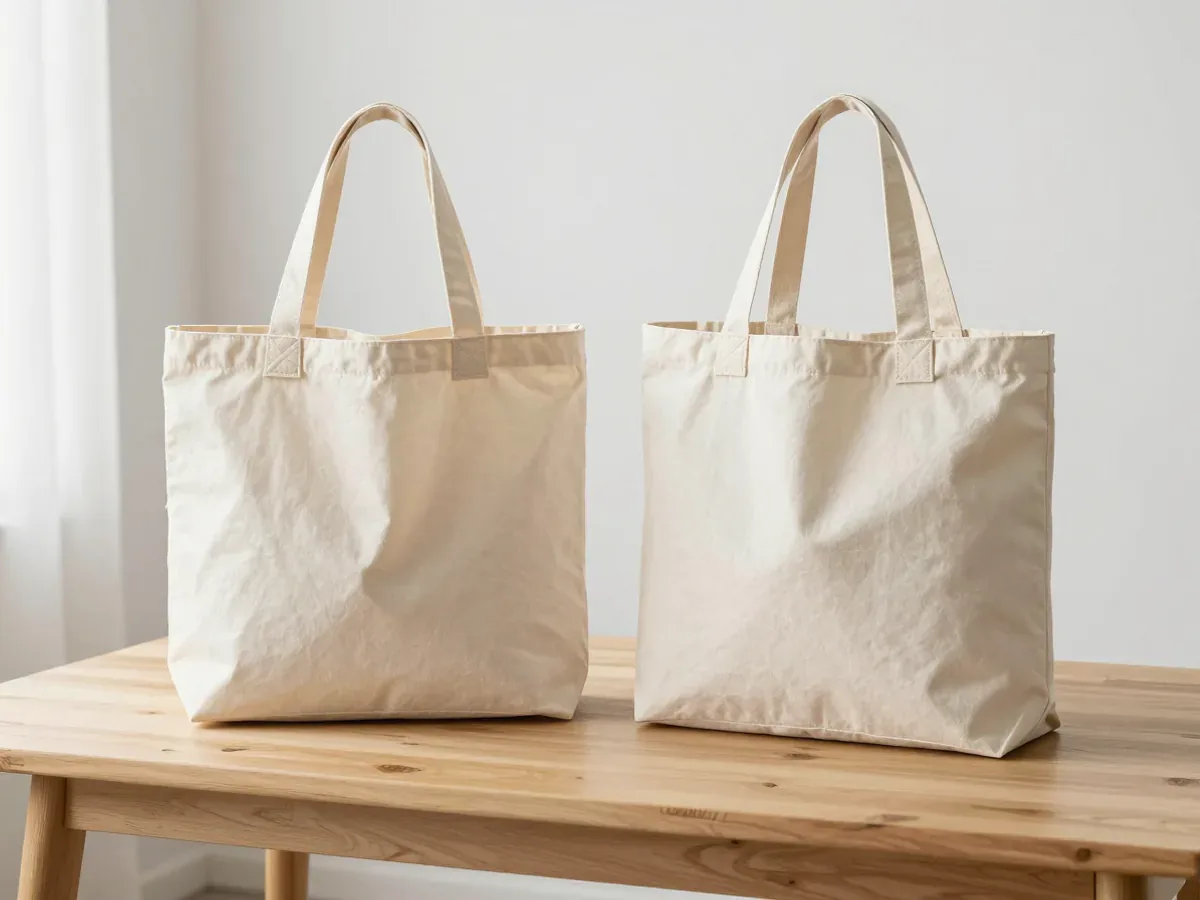
The open tote is the older design and the simpler one. Its mouth stays open, the handles carry the load, and the buyer’s logo sits on a flat panel with nothing interrupting it. A shopper reaches in without looking, which is why grocery runs and beach trips keep this shape alive.
The zippered tote keeps the same body and adds a closure across the top. The zip can run the full width or stop short, and it can sit beside a front pocket, a leather label, or a metal hook on the hardware list. On the table, the difference looks small. In production, it changes the station count, the sampling rounds, and the way the bag is inspected.
A buyer comparing the two is not choosing between good and bad. She is choosing between two levels of protection, each with its own cost and its own failure points.
How Much Security the Zip Really Adds

A zip across the top keeps items from falling out and makes casual access harder. That matters for totes that carry valuables, electronics, toiletries, or anything a shopper sets down in a crowd. The closure also gives the bag a more finished look, which some retail programs want on the shelf.
The protection has limits. A fabric tote with a zip is not a sealed container. Dust and splash resistance improve at the mouth, but the seams and the canvas itself still breathe, and a zip does not turn a canvas bag into a waterproof one. Buyers who expect rain protection from a top zip are buying the wrong feature.
The security gain is real but narrow. It covers the opening, not the whole bag, and it works best when the rest of the design supports it: a lined body, a reinforced mouth, and a slider that stays put under load.
Where an Open Mouth Still Wins

Speed of access is the open tote’s advantage, and it is not a small one. A shopper at a checkout counter, a parent loading groceries, or a worker moving tools between stations all reach in without breaking stride. Every extra second at the mouth adds up across a day of use.
Open totes also carry bulky items that a zip would fight. Beach gear, gym clothes, and market produce do not need a closure, and a zip across a wide mouth can pucker or strain when the bag is overfilled. The open design lets the canvas take the shape of the load.
Printing is simpler too. A flat open panel gives the logo a clean field, and hand screen printing on fabric works best when there is no hardware nearby to mask or distort the image. For promotional runs where the logo is the product, that flat panel is worth more than a closure.
What the Zipper Costs You in Sampling and Production

The zip adds a component, and every component adds a step. Sampling usually takes an extra round because the tape length, the slider position, and the mouth reinforcement have to be tested together. A zip that looks right on paper can bind at the corners once the canvas is sewn in.
On the line, the zipper station is slower than a plain mouth. The operator aligns tape, stitches both sides, and checks that the slider runs free before the bag moves on. Tape ends need finishing so they do not fray, and the pull needs a stop that holds under load. These are small tasks that multiply across an order.
Inspection changes as well. Every bag passes four QC checkpoints, and a zippered tote adds a functional test at the mouth: open, close, open again, check for snags. A stuck slider is a reject, and a reject at the final checkpoint costs more than a reject caught earlier. The closure is a quality risk that the open tote simply does not carry.
Which Buyer Should Pick Which Closure
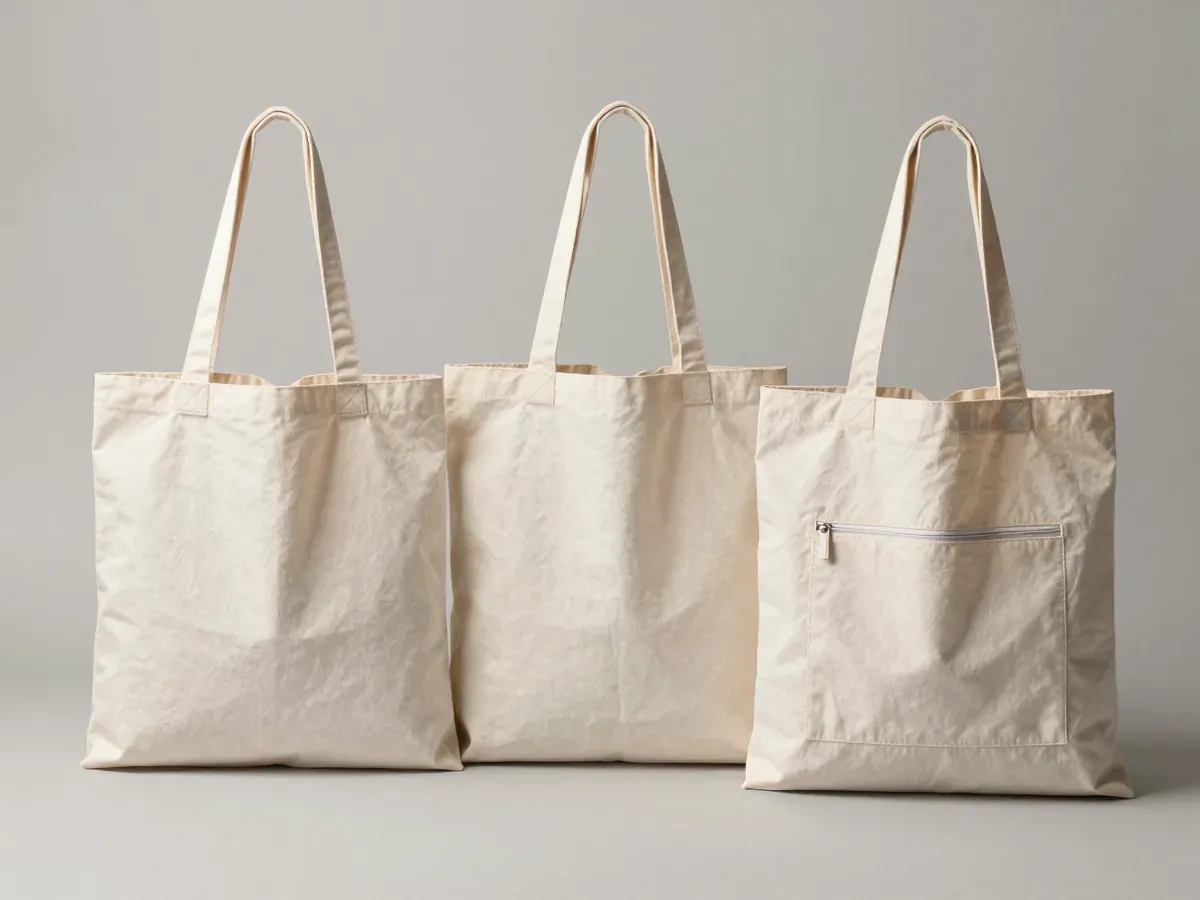
The zippered tote suits programs where the bag travels with valuables or gets set down in public. Corporate gifts, electronics bundles, travel kits, and retail totes sold alongside higher ticket goods all benefit from a closure. A matching zippered pouch can ship inside the same order, which extends the secure storage idea without changing the main bag.
The open tote suits volume programs where speed, print area, and unit cost matter most. Grocery chains, event giveaways, beach and market lines, and any order where the bag is a walking billboard rather than a secure container fit this shape. The open mouth is not a compromise there. It is the correct specification.
A third group sits in between: buyers who want some security without a full top zip. A front zip pocket on a canvas tote gives a secure compartment for keys and a phone while the main mouth stays open. That hybrid often solves the problem at lower cost and lower production risk than a full closure.
A Decision Table for the Order Sheet
| Decision point | Open tote | Zippered tote |
|---|---|---|
| Primary use | Groceries, events, beach, promo | Gifts, valuables, travel, retail |
| Access speed | Fast, no closure to work | Slower, zip must be opened |
| Security at mouth | None, items can fall out | Good, closure holds contents |
| Water resistance | Canvas only | Canvas only, zip is not waterproof |
| Sampling rounds | Fewer, flat panel | More, tape and slider tested |
| Production stations | Simpler, faster mouth | Extra zip station, slower |
| QC focus | Seams, handles, print | Seams, handles, print, slider function |
| Print area | Full flat panel | Reduced by zip and hardware |
| Hardware options | Handles, label, hook | Handles, label, hook, zip, pouch |
| Best fit | High volume, logo led | Lower volume, function led |
The table is a starting point, not a verdict. A buyer can move a row by changing the brief: a shorter zip, a front pocket instead of a top closure, or a heavier canvas that holds the mouth shape under load.
What to Confirm Before the Zip Goes Into the Spec
Four confirmations prevent most zip related surprises. First, decide what the closure is protecting. If the answer is “nothing specific,” the open tote is the better order. Second, confirm the zip type and length against the bag’s mouth width, and ask how the tape ends are finished.
Third, confirm the print area with the zip in place. A logo that runs to the top edge will collide with the tape, and the artwork may need to move down or shrink. Fourth, confirm the inspection standard at the mouth: how the slider is tested, what counts as a snag, and who signs off on the functional check.
One more question is worth asking early. If the design already has an open tote that sells, adding a zip changes the pattern, the sampling timeline, and the unit cost. A front pocket or a matching pouch may deliver the security the buyer wants without rebuilding the bag. The zip pays off when the use case demands it, and the order sheet should say so in plain words before the first sample is cut.
FAQ
Does a zipper make a canvas tote waterproof?
No. A zip improves protection at the opening, but the canvas and seams still let moisture through. Treat a zippered canvas tote as splash resistant at best, not waterproof.
Can the zipper be added to an existing open tote design?
It can, but the pattern usually changes. The mouth needs reinforcement, the tape length must match the opening, and the print area may shift. Expect an extra sampling round before the revised bag is approved.
Is a top zip or a front zip pocket more useful for shoppers?
It depends on what they carry. A top zip secures the whole load, while a front pocket keeps small items like keys and a phone separate. Many programs use a front pocket when the main mouth needs to stay fast to access.
Will the zipper change the printing area for my logo?
Yes, in most cases. The zip and its tape take space at the top of the panel, so the logo either moves down or gets smaller. Confirm the revised print area before artwork approval, not after.