
Reorganised from archived TIIOCTI product notes and spec lines on soft shoulder bags, sling backpacks and slouch shapes.
A buyer at a spring range review held up a soft shoulder bag and said the test report was the least useful page in the folder. The lab had passed it on abrasion and colourfastness, and she still had no answer to the question her merchandiser kept asking: why does this shape keep selling while three structured bags beside it were marked down?
She had brought the sample to the meeting with a list of questions attached to the strap with tape. The list moved from structure to pockets to packing, and each answer changed what she wanted to order. What follows is that list, worked through in the order she raised it, plus the one question she only asked after the sample had been on her desk for a week.
The Question That Started the Meeting
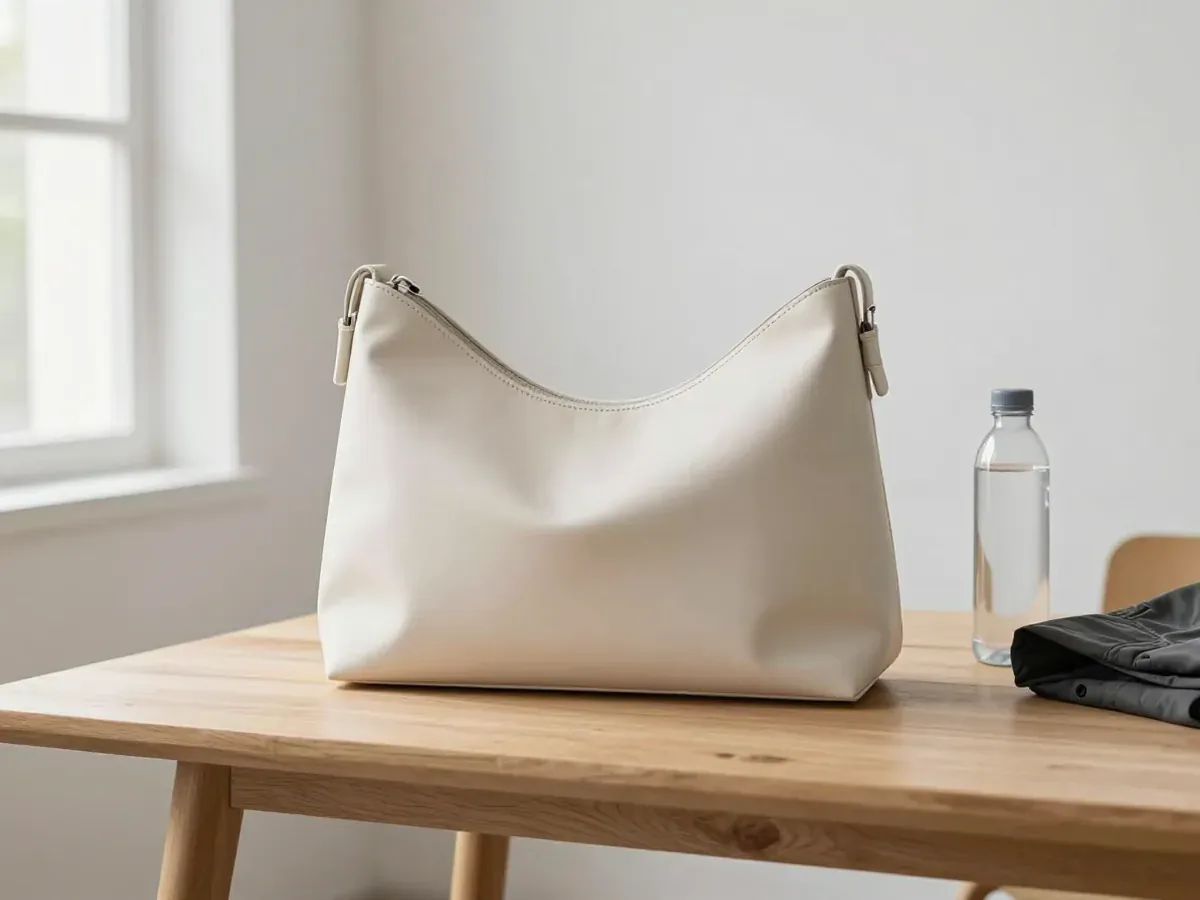
Her first note was blunt: the bag looks empty and shapeless on the table, so how does it hold a full day of essentials without collapsing into a sack? The sample had no board in the base, no rigid panel at the back, and no structured gusset. It lay flat when set down, which is exactly what made her merchandiser nervous.
The answer came from the pattern rather than the material. A soft sliding bag is cut so the body drapes against the wearer instead of standing away from it, and the volume sits low where the weight settles. On a hobo or slouch shape the crescent line does the work that a base panel does on a structured tote. The bag looks empty because it is meant to, and it carries because the load sits close to the hip.
She tested this by loading the sample with a water bottle, a folded jacket and a tablet. The bag hung lower but kept its line, and the opening did not gape. That is the first thing to check on any soft sample: load it, wear it, and watch whether the mouth of the bag stays closed.
Does Soft Structure Really Carry More Than It Looks?
Her second question was about capacity, and she did not trust the litre figure on the spec sheet. Soft bags change volume as they fill, so a number printed on a line sheet describes the pattern at rest, not the bag in use.
The practical check is to fill the sample until the seams start to pull, then look at three points. The strap anchors should stay flat against the body. The base seam should not bow outward. The top edge should still fold over rather than stand up stiffly. A soft bag that fails any of these was cut too tight for its intended load.
Roominess is the reason hobo shapes have held their place in casual ranges for decades. The interior is one open volume with a soft lining, so a jacket, a lunch box and a small tablet can go in without a fight. That open volume is also the risk. Without a divider or an inner pocket, small items migrate to the bottom and the wearer ends up digging.
Why Does One Shape Cover Hobo, Sling and Slouch?
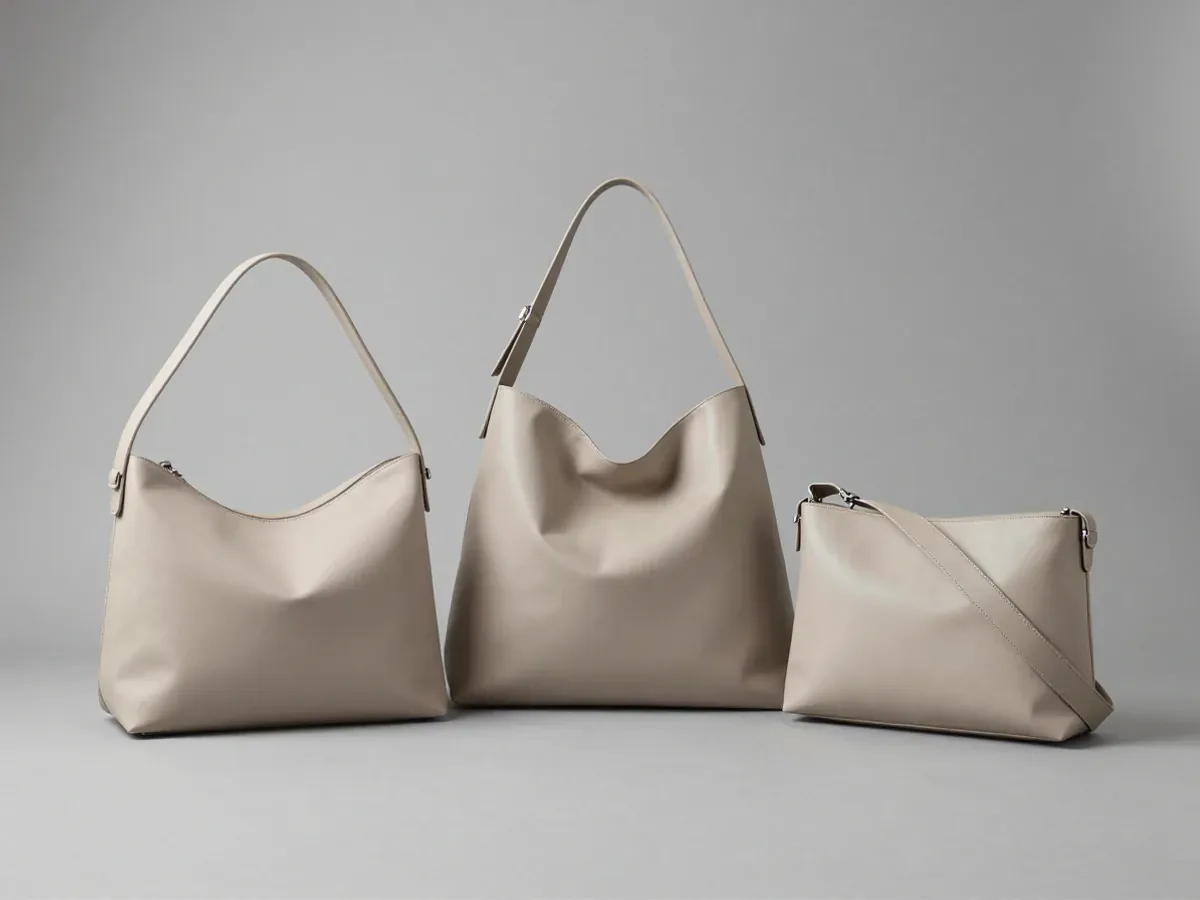
The buyer had three style names on her brief and one pattern block on the table. She wanted to know whether that was laziness or design. The three names describe different proportions of the same soft logic rather than three separate products.
A hobo bag is slouchy and crescent shaped, with a single shoulder strap and a relaxed drop. A slouch bag is the looser version, unstructured enough to hang flat when set down, which is why it reads as casual luxury rather than office wear. A sling bag takes the same soft body and moves it across the chest or back on one adjustable strap, so the load sits diagonally instead of on one shoulder.
That shared logic is why a factory can run all three from related pattern blocks and why a buyer can build a small family of styles around one shell specification. It is also why the differences matter at sample stage. A hobo needs a strap drop that clears a winter coat. A sling needs a strap long enough to flip from chest to back. A slouch needs a lining that does not show through when the bag hangs empty.
Where Do Sling Pockets Actually Earn Their Space?

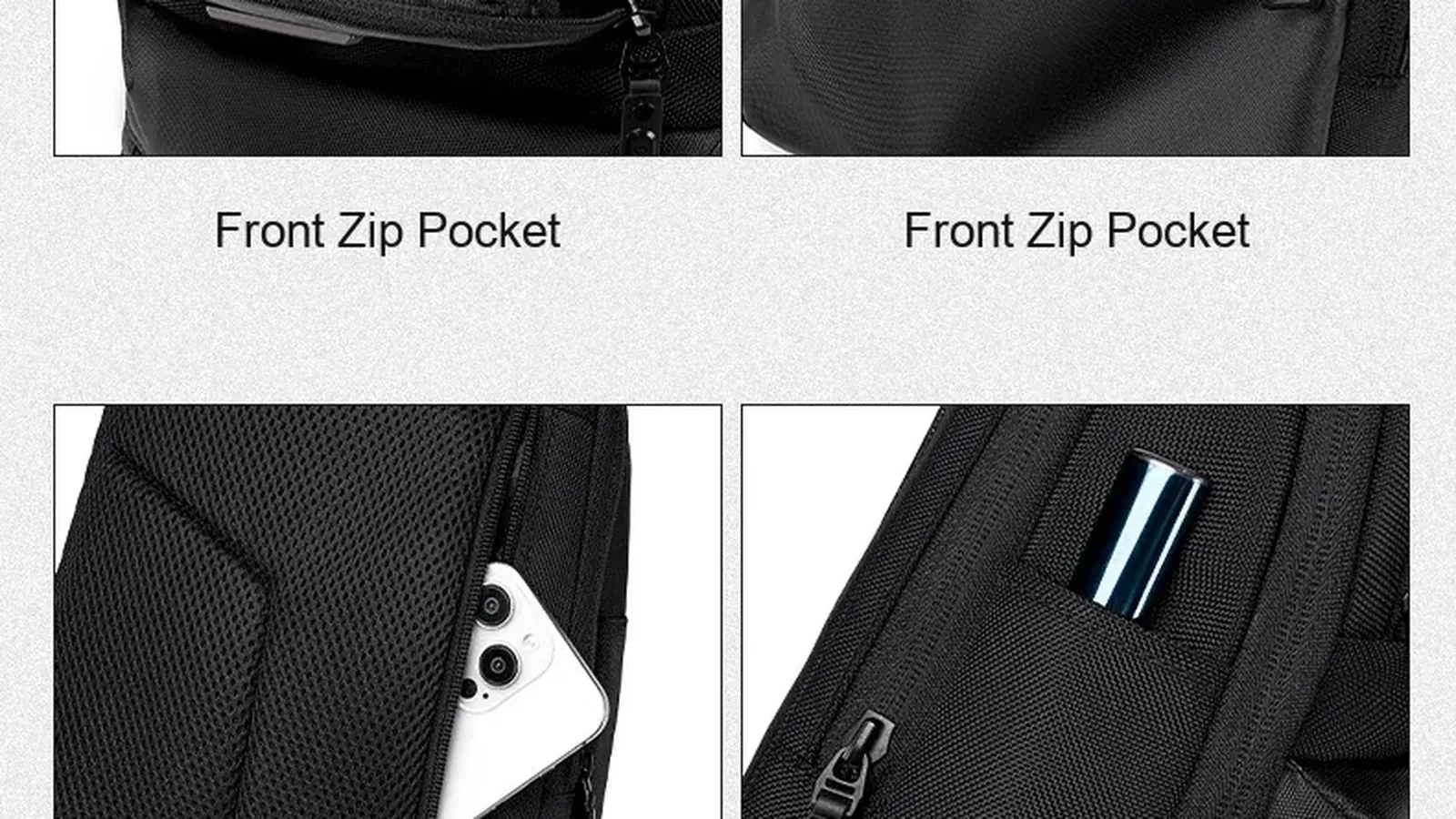
On the sling sample, two zips sat one above the other on the front face, and the buyer asked whether the second one was decoration. It is not, provided the two openings are placed so a hand can reach each one without opening the other.
Stacked front pockets earn their space when they separate items by size and frequency. The upper zip takes a phone or a card wallet. The lower zip takes keys and a charger. Inside the front compartment, loops hold cables, pens and a card wallet so they do not slide into the main volume.
The closure matters as much as the pocket count. A webbing flap with a side-release buckle over the front gives a quick open and close that a zip alone cannot, and it keeps the front face flat when the bag is worn on the back. A padded mesh panel against the body lets the bag sit flat in that position instead of bunching.
The check on a sling sample is simple. Wear it on the chest, reach for the phone without looking, then flip it to the back and see whether the main compartment stays shut. If the bag opens during the flip, the closure or the strap geometry needs work.
What Does the Strap Do That the Shell Cannot?
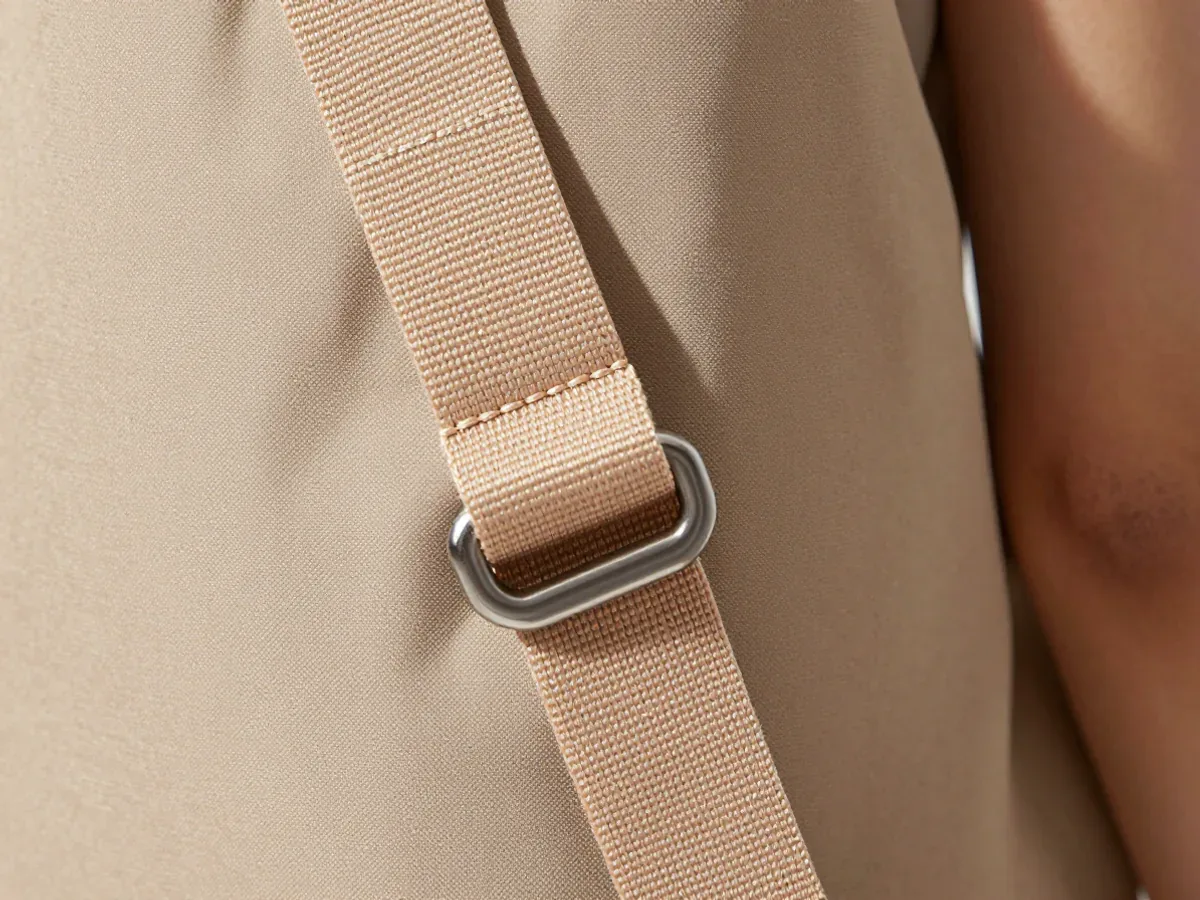
The buyer’s fifth note was about the strap, and she was right to spend time there. On a soft bag the strap carries the whole load and sets the drape, so a good shell on a weak strap still fails in use.
An adjustable single strap lets one bag serve different body sizes and different carry positions, which is why the sling pattern can move from chest to back without a second strap. The anchors are the weak point. Bar-tacked straps anchored where packs usually fail are the difference between a bag that lasts a season and one that lasts a year.
On the shoulder versions, the strap drop decides who the bag suits. Too short and it will not clear a coat. Too long and the bag swings against the hip. Ask for the drop measured on the finished sample, not on the pattern, because lining and seam allowance move it.
Which Shell and Packaging Choices Keep the Price Honest?
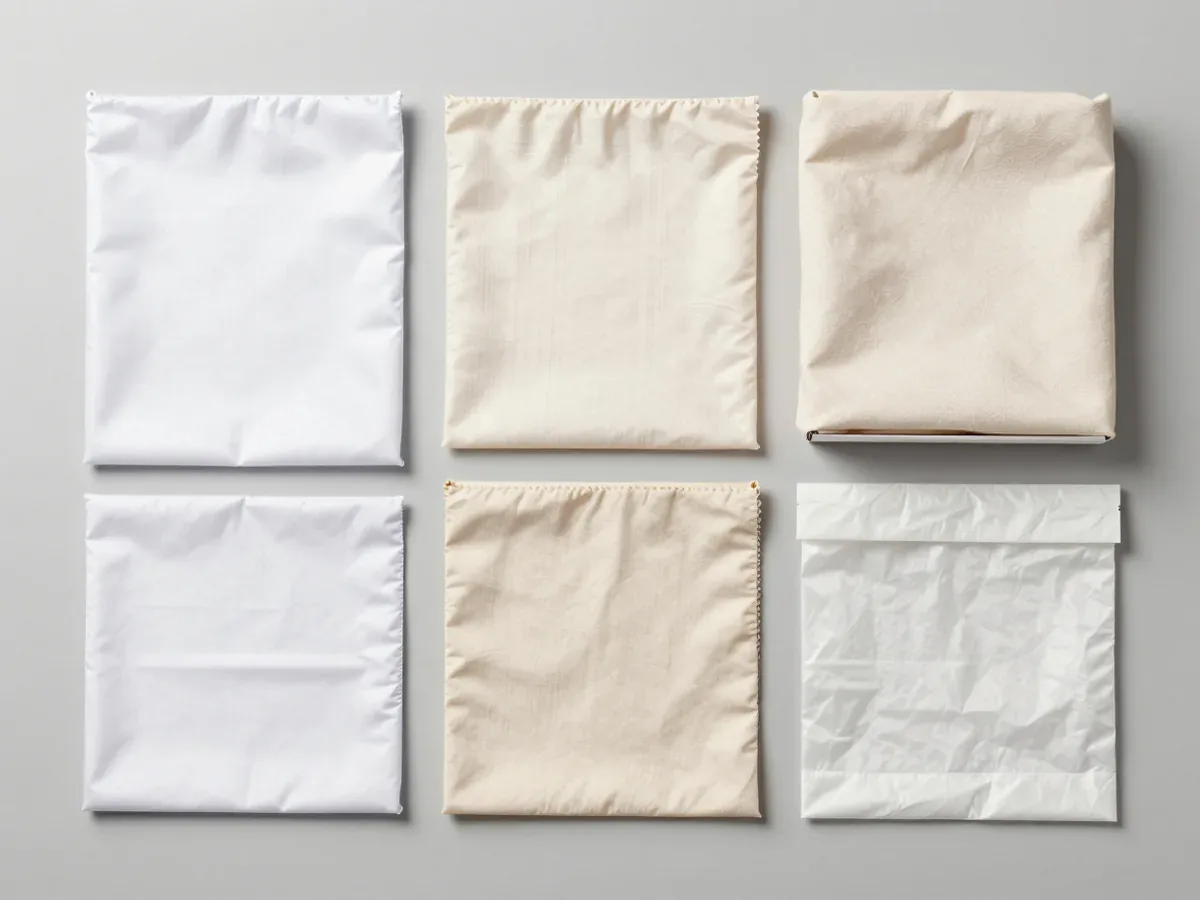
The shell list on the spec sheet ran to polyester, nylon, Oxford, canvas and rPET. The buyer wanted to know which one to put on the order without inflating the landed cost. Each has a different job, and the choice should follow the wearer rather than the trend page.
Polyester is the workhorse for volume ranges and takes print well. Nylon gives a smoother hand and better abrasion resistance for sling styles that see daily use. Oxford holds a crisper surface where the buyer wants the bag to read as structured even though it is soft. Canvas suits the slouch and hobo look but adds weight. rPET answers a sustainability brief without changing the pattern.
Packaging is where soft bag orders quietly lose margin. The options are polybag, mailer, retail box or bundle, and the choice changes both the unit cost and how the bag arrives on shelf. A slouch bag flattened into a polybag needs a stuffer or it photographs badly. A retail box protects the shape but adds cube to the carton. Decide the packaging before the sample is approved, because it can change the fold and the carton count.
The Question Buyers Ask Last, After the Sample
A week after the meeting the buyer sent one more note. She had carried the sample for three days and wanted to know how to tell, before placing the order, whether the production run would feel the same as the one in her hand.
The honest answer is that a single sample proves the pattern, not the run. What she can do is fix the variables that drift. Ask for the shell weight and the lining to be named on the order, not just the shell family. Ask for the strap anchor construction to be written down. Ask for the packaging to be confirmed with a packed sample, so the fold and the carton count are agreed before bulk.
Then check the first production units against the approved sample at the three points that matter on a soft bag: the strap anchors, the top edge fold, and the closure. A soft sliding bag keeps selling because it is forgiving to wear. The order only stays honest if the details that make it forgiving are written down and checked.
FAQ
Is a sliding bag the same as a hobo bag?
A hobo is one shape within the sliding family. Sliding describes the soft, flexible structure and the way the bag moves with the body. Hobo, sling and slouch are three expressions of that same logic.
Can one soft shoulder bag work for both travel and daily carry?
It can if the closure is secure and the strap is adjustable. A sling with a webbing flap and side-release buckle travels well because it stays shut when flipped from chest to back. A hobo with an open top suits daily carry better than transit.
What should I check on a sling bag sample before placing an order?
Load it, wear it on the chest, reach for a phone without looking, then flip it to the back. Check that the main compartment stays shut, the strap anchors stay flat, and the padded mesh panel sits against the body.
Which shell fabric should I choose for a soft sliding bag?
Match the shell to the wearer. Polyester for volume and print, nylon for daily abrasion, Oxford for a crisper surface, canvas for the slouch look, and rPET where a sustainability brief drives the range.
How should a soft bag order be packed for retail?
Choose between polybag, mailer, retail box and bundle before the sample is approved. A slouch bag needs a stuffer in a polybag to hold shape, and a retail box protects the shape at the cost of carton cube.