A custom retail packaging build is driven by 4 choices: the material and its weight, the print method, the structure of the pack, and the packing that protects it in transit. Those 4 explain almost every difference between two builds that look alike. The job of the sheet is to name all 4 so the builds can be compared.
The spec review asks custom retail packaging: the seam, the handle join and the label are read on a sample before the batch. A custom retail packaging build is a set of choices, not a look. Retail packaging design is decided by 4 build choices, and the sheet that names all 4 is the only one a buyer can compare.
Buyers keep asking this season why two packaging builds that look alike on a screen land so far apart once the material and the print method are specified. The answer is in the build rather than in the number: material weight, print method, structure and packing each move the job.
The Four Parts Of The Build
The build divides into 4 parts, and each one can be named on a single sheet: the tooling that shapes it, the make-ready that sets the press, the material itself and the packing that carries it. Tooling and make-ready are fixed costs that follow the design rather than the run, which is why a small change of shape can move the whole build.
Material weight is the first lever and the print method is the second, and together they explain most of the difference between two builds. A heavier board or a heavier cloth carries a different structure and a different print, and the two choices travel together.
The material line is also the one a brief most often leaves out. A brief that names the substrate, the weight and the print method gives a factory something to build, while a brief that names only a quantity gives it a guess.

The Formats A Retail Programme Uses
Seven formats cover most retail packaging, from folding cartons and corrugated boxes to rigid boxes and custom bags. Each one carries a different structure and a different packing, so the format is chosen before the artwork.
| Format | Structure | Print face | Where it suits | What to watch |
|---|---|---|---|---|
| Folding carton | Die cut and folded from board | Offset or digital on board | Cosmetics, small sets, shelf packs | The die is fixed to the shape |
| Corrugated box | Fluted board, glued or taped | Flexo or litho label | Shipping and display shippers | Humidity weakens the board |
| Rigid box | Wrapped board, magnetic or lift off lid | Litho wrap and foil | Premium sets and gifts | The wrap adds a hand step |
| Printed bag | Sewn cloth or welded film | Screen or digital on cloth | Retail carry and brand promotion | The print has to survive the fold |
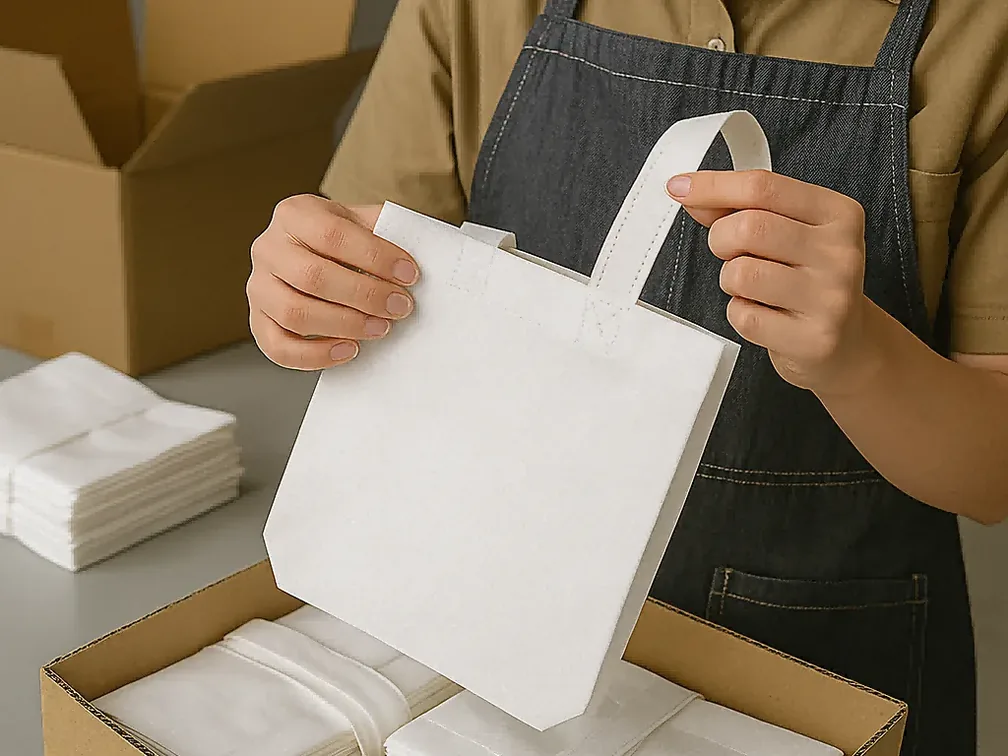
The bag row is the one we build, and its structure and print face behave differently from a board pack. A bag has a seam and a handle where a carton has a die line, so custom packaging bags are read on a soft face rather than a flat one. The pack is then checked flat, closed and labelled, which takes 3 views rather than one.
Material And Print Choices
The two levers that move a build most are material weight and print method, and packaging materials carry both. A heavier cloth or board carries more structure, and the print method has to suit the surface it lands on.
Material choice starts with the substrate, and the brief should name it rather than leave it to the supplier. The 3 bag substrates we run are non-woven, laminated woven and canvas. On the bag side the choice is between non-woven, laminated woven and canvas, and each one takes a different print and a different seam.
Print method follows the artwork. A flat logo suits screen print, a detailed design suits digital or litho, and a photographic print needs the process that holds fine detail. The structure then decides how the pack is packed, because a folded carton and a sewn bag need different protection in the same carton.

Questions Buyers Ask
Why do two similar packaging builds differ?
One of the 4 lines changed, and the difference follows that line. Compare each line rather than the finished look.
What should a packaging brief name?
The substrate, its weight, the print method, the structure and the packing. A brief with a quantity and a reference photo is not a brief.
Which format should a retail programme start with?
The one the product and the shelf ask for, because the 7 common formats solve different display problems. A bag is for carry and promotion, a carton is for shelf and set.
Does the carton matter to the build?
It does, because the carton is the part that protects the fold, the print and the structure in transit. A good pack in a weak carton arrives as a damaged pack.
The Sheet That Makes Builds Comparable
Five lines make a packaging build comparable: the material and weight, the print method, the structure, the packing and the claim.
The material and structure lines come first because they are the hardest to change after tooling. A die or a mould is tied to the shape, and a shape change late in the project moves the whole build rather than one line.
The claim line is the one that ties the pack to the law. EU rules on packaging set requirements for manufacturing, composition and the reusable or recoverable nature of all packaging placed on the market, which is why the material and composition belong on the sheet.
They also set requirements for manufacturing, composition, and the reusable or recoverable nature of all packaging placed on the EU market
European Commission, Packaging waste
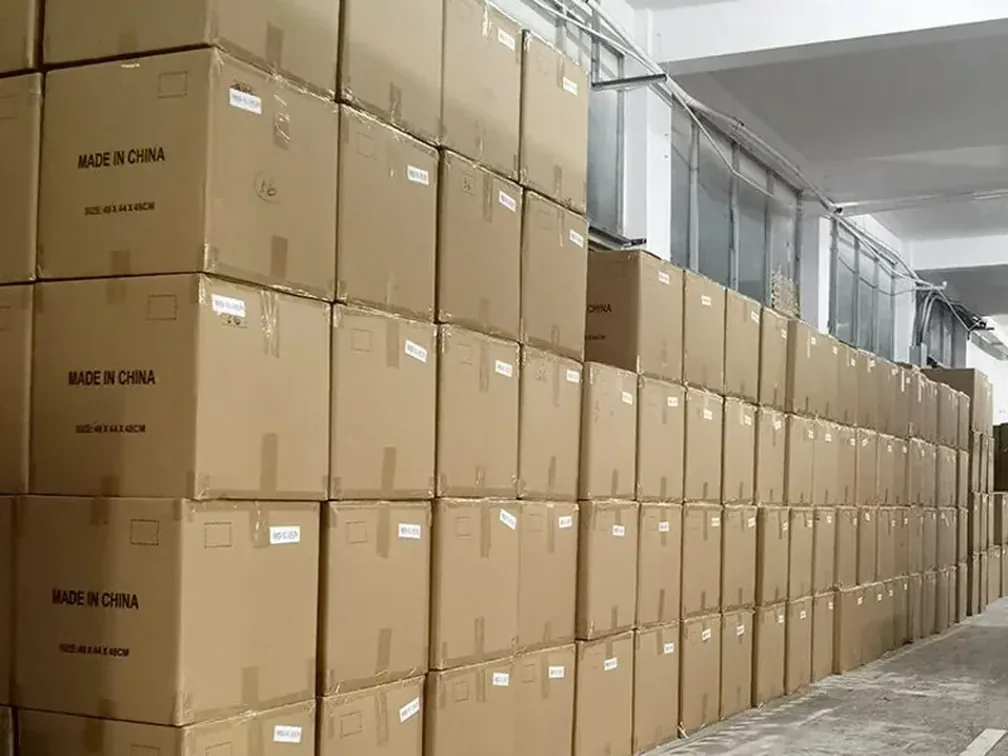
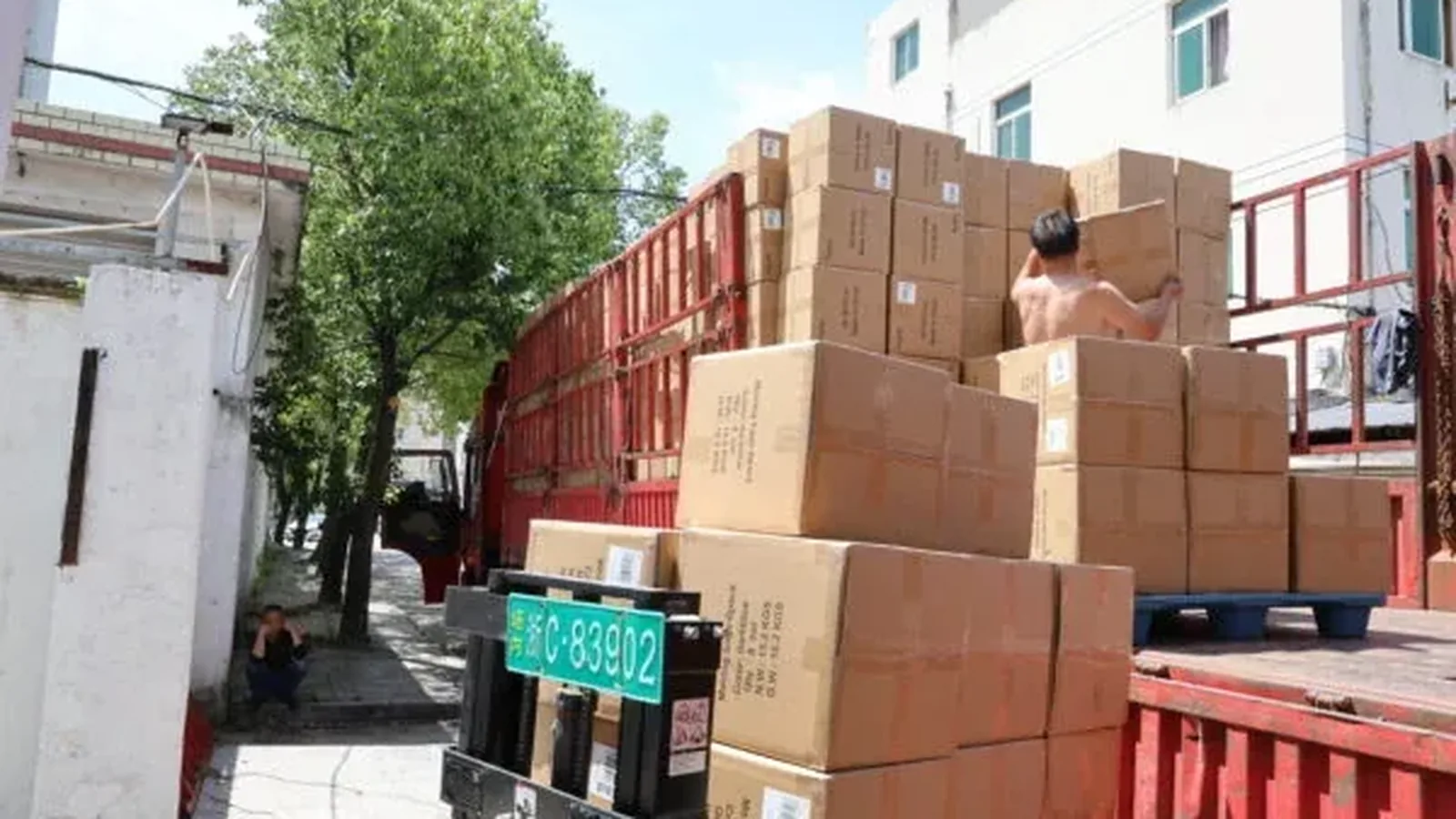
The packing line covers the carton. The Fibre Box Association notes that relative humidity is a significant consideration for corrugated packaging performance, so the carton spec has to match the route rather than a single stack height. Our inspection bench checks printed bags for size and print before packing, and every approved order passes 4 quality checkpoints.
How To Check A Packaging Build
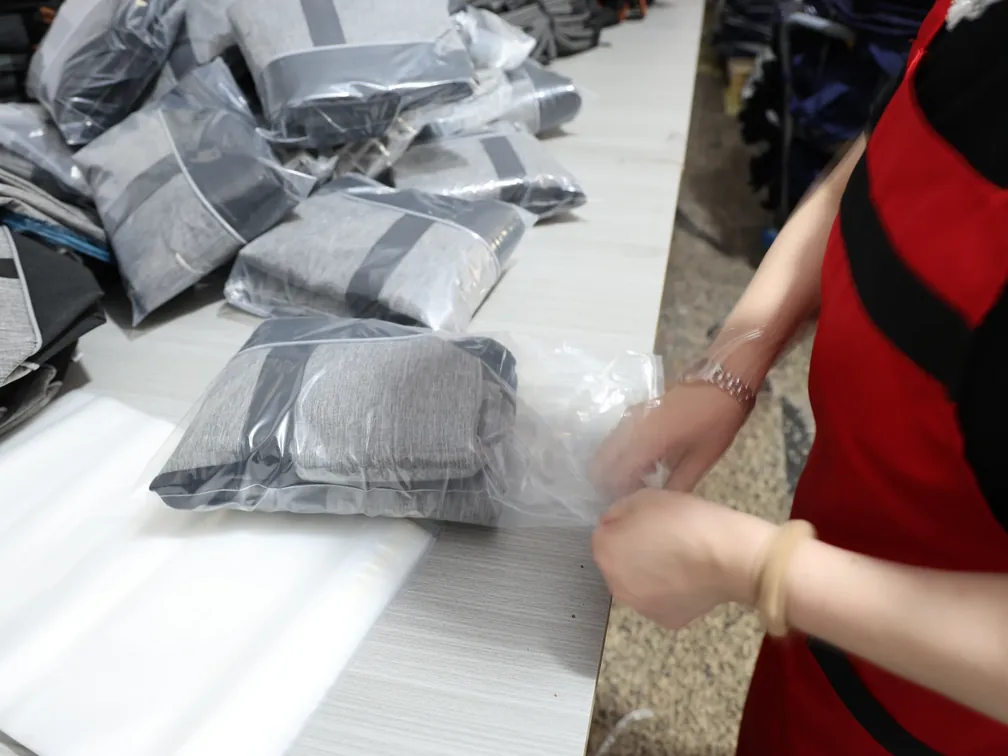
Lay the pack on the bench and check the 3 faces that show: the print face, the fold or seam, and the label. A pack that reads well on all 3 will read on a shelf.
Put the pack into its carton and close the carton, then open it again. A pack that shifts in the carton has a packing problem rather than a print problem, and the fix is the insert rather than the artwork.
Check the carton label against the packing list and the goods description before the pallet is built. A carton that carries the wrong description is the problem that surfaces at the destination.
The packing spec that keeps a tote free of creases is in retail ready tote bag packaging, the store receiving side is in retail ready packaging, and the checks behind a run are in custom tote bag quality checks.