
A label is a build item on our line, so it takes a slot on the artwork sheet beside the logo instead of a note at the end of the.
The answer on Warning label compliance sits in the detail: The warning label question keeps coming up in the same shape: a retailer asks for the label, the factory prints it, and nobody can name the part that triggered the duty or the test that would clear it.
A buyer sent me an artwork sheet last week with the warning rectangle already drawn in, and no line on that sheet said which component had put it there.
Warning label compliance is the paper trail that answers those two questions before the first carton ships. It takes a component list, a laboratory screen and a written decision, not a rectangle dropped onto artwork.
The duty itself is narrower than the label suggests. A business with ten or more employees has to give a clear and reasonable warning before it exposes anyone in California to a listed chemical from its product, and the exposure usually comes from the trim rather than the bag itself. Metal hardware is the usual source of that exposure, and component testing is what settles it rather than an opinion.
The statute is short enough to read rather than summarise, and the sentence that matters is the one that puts the warning before the exposure.
No person in the course of doing business shall knowingly and intentionally expose any individual to a chemical known to the state to cause cancer or reproductive toxicity without first giving clear and reasonable warning to such individual, except as provided in Section 25249.10. California Health and Safety Code section 25249.6
That is a warning duty, not a ban on the chemical, so the label is the mechanism the law expects and the file behind it is what shows the decision was made rather than guessed.
Where the warning decision starts on a bag order
The sequence runs in 3 steps on a bag order, in this order, because each step narrows the one after it.
- Write the destination market into the order, California included, since the duty follows the sale rather than where the bag was sewn.
- List every component that could carry a listed chemical: the zipper, the sliders, the grommets, the buckles, the decorative fittings, the inks and any coating.
- Screen one representative production sample per design against the list, hardware and prints included, and keep the report with the bag file.
| Component | What it can carry | The question it raises | Buyers ask warning label compliance: the seam, the handle join and the label are read on a sample before the batch. The order matters because a label applied before the component list exists is a label nobody can defend when a buyer asks why it is there.
How we build the warning line into the bag
A label is a build item on our line, so it takes a slot on the artwork sheet beside the logo instead of a note at the end of the order. Five steps cover it:
- Fix the wording and the method at artwork stage: a printed line, a sewn tag, or a printed line inside the branding panel.
- Place it where a shop can read it without opening the bag, because a warning tucked under a fold is hard to defend as clear and reasonable.
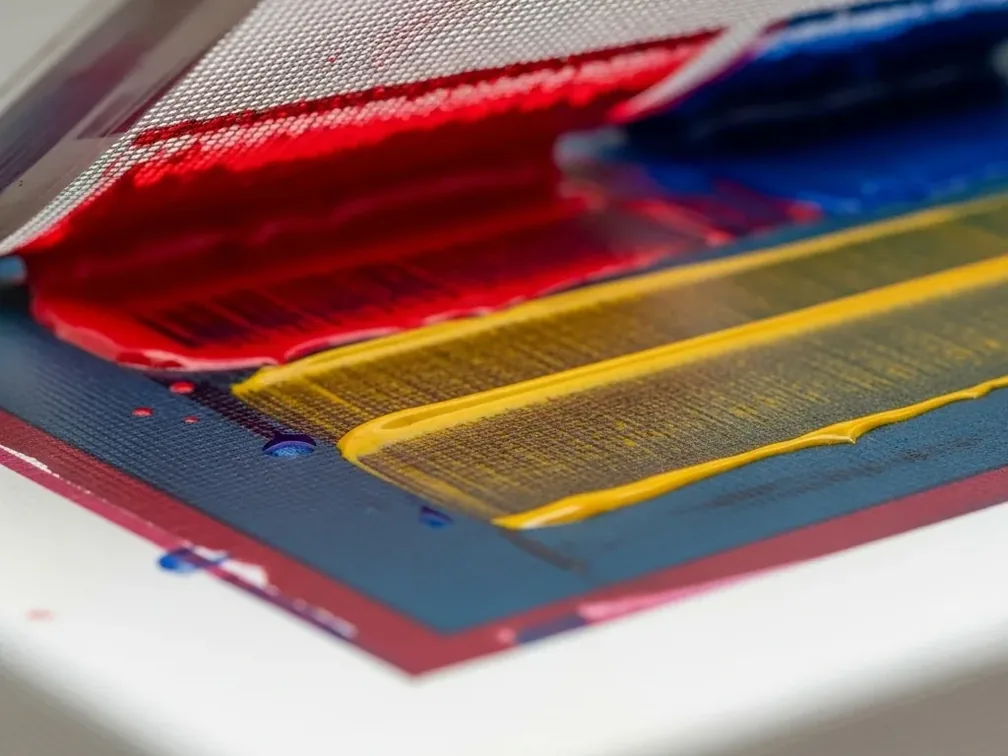
- Print it in the pass that carries the branding, since our specs already name screen print, a woven label or retail packing for that line. Our frames carry several inks in one pass, which is what makes a short line economical to print.
- Sew a woven label into the seam when the face cannot carry print, which is the route our own logo samples follow. 5. Record the wording, the screen report and the decision in the product file, then check the label at packing.
Quality control here runs 4 checkpoints before a bag is packed, and the label check sits inside that sequence rather than beside it. A clear label pocket on the face is a different part from the warning line, because the pocket holds the buyer’s contents card while the warning is fixed copy. Cartons are labelled in our own warehouse, so the case label and the bag label are set from one instruction sheet.
Where a warning label goes wrong
Four failures account for most of the label problems that reach us on an incoming order.
- A label applied by habit, with no component behind it, which teaches a customer to ignore the rectangle and leaves the seller unable to explain it.
- A warning that never reaches the online listing, because the duty runs before purchase and a listing is where an online purchase happens.
- A decision left undefined between importer and factory, which is the version where neither party has ordered the label at all.
- A warning printed across the branding and read as decoration, which is a placement failure rather than a wording failure.
Enforcement is what makes these expensive. The private action provision lets a party acting in the public interest bring the claim, so a gap can surface through a notice letter instead of an inspection. A file with a component list and a screen report answers that letter; a file with a rectangle and no reasoning does not.
Questions importers ask about the warning label
Does every bag sold in California need a warning?
No. The duty starts when exposure to a listed chemical passes a safe harbor level, and a natural fiber bag with compliant hardware often sits below it. The component screen is what shows which side of that line a design falls on.
Which parts of a bag usually trigger it?
Metal hardware leads: zippers, grommets, buckles and decorative fittings in certain alloys, with some inks and coatings adding to the total. Lead in those parts sits behind a large share of the bag cases, so the screen starts with the trim.
Who applies the label, the factory or the importer?
The duty lands on the importer selling into California, so the order should split disclosure from decision. The factory states what its hardware and prints contain, and the importer decides on that evidence whether a warning applies.
Does the online listing need its own warning?
Yes, because the warning has to arrive before the purchase and a listing is where an online purchase is completed. A bag that carries the label while the listing does not still leaves the obligation open.
How is one bag design screened?
A laboratory screens 1 representative production sample per design, with the trim and the prints attached, and the report stays in the product file. A second screen is only worth running when the hardware or the print system changes.
3 documents answer a question about a Prop 65 warning 2 years later: the component list, the screen report, and the order clause that names who applies the label. The wording belongs there too, because a short form is permitted only in defined circumstances and the file has to show which form was used.
A warning applied by default, with no document behind it, is the one that reads as an admission rather than a decision. The statute is explicit that a label on a consumer product can serve as the general method of warning, which means the method is defensible and the reasoning behind it is what a buyer has to keep.
On our own sheets the branding line already records a method, so the warning line sits beside it as a second fixed line rather than as a note to the printer. A woven label remains the fallback when the face cannot carry print, and it is the version we keep on bench samples.
How to close the decision before the first shipment
Close the warning question at sample stage, then let the production check confirm it rather than reopen it.
- Put the destination market and the label owner into the order, so neither side assumes the other one ordered it.
- Keep the screen report with the sealed sample, since it is the only evidence that the trim was tested as built.
- Check the label position on the first finished bag against the approved sheet, in daylight, at arm’s length.
- Add the warning line to the listing before the bag goes live, because the purchase comes first online.
- Run the bag through the same 4 checkpoints as the rest of the order, with the label check inside them.
Three pages go into the detail. The statute side of the question, including the way a printed bag creates the duty, is covered in Printed Bag Compliance: When a Prop. The care tag that shares the seam is covered in Care Labels on Custom Bags: The. The printed panel that competes for the same small area is covered in Barcode Label Placement: The Scan Zone.
Related reading from the same line: Care Labels on Custom Bags: The.