In a laundry the bag is wetted, lifted and washed far more often than a retail tote ever is, and the color is the first thing to go if the print is.
The sample round answers color coded bags: the seam, the handle join and the label are read on a sample before the batch. The question keeps coming up this year because color coded bags are moving the route decision out of the dispatch office and onto the bag itself, and the color picked at that point runs the rest of the cycle.
The answer was not a matter of taste. It decided whether a bag is read from across the room or walked over to and read by hand.
A bag that announces its client at a glance is a sorting tool rather than packaging.
What follows is the sort step a color map replaces, the decisions behind the map, the lines uniform rental bags have to hold, and the checks that tell you whether the map is working.
The sort step a color map replaces
A rental cycle reads as 4 simple moves: collect the soiled garments, launder them, sort them and dispatch them. A service that handles thousands of garments a day spends most of its labor hours on sorting rather than on washing, so the third move is the one worth designing.
Sorters touch each piece twice, once as it comes off the wash line and once at the dispatch station. A plant that tried scanning at dispatch found the scan added a move without fixing the one before it, and the garments still arrived at the desk in the same mixed state.

The color map and the 3 rules behind it
The map moves the decision to the point of collection. Each route gets a return bag in one color, printed across the panel so the color reads from across the room, with the client name on a sewn label instead of a paper ticket.
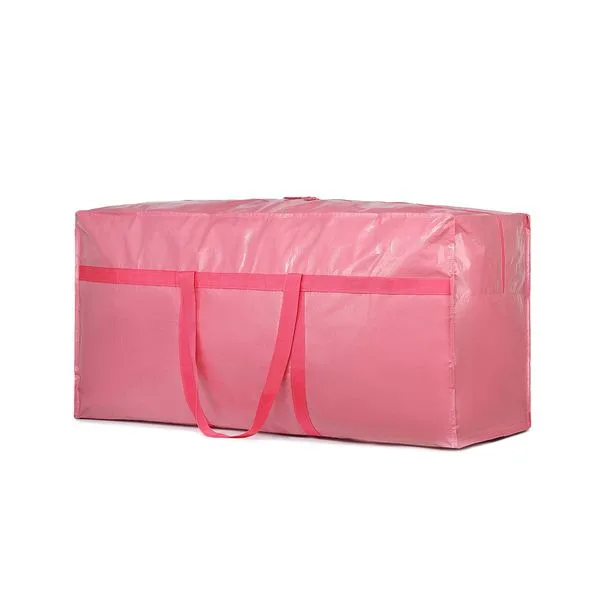
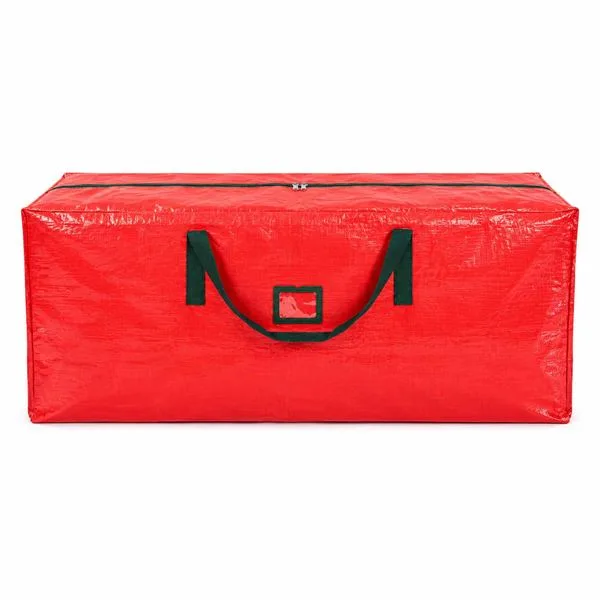
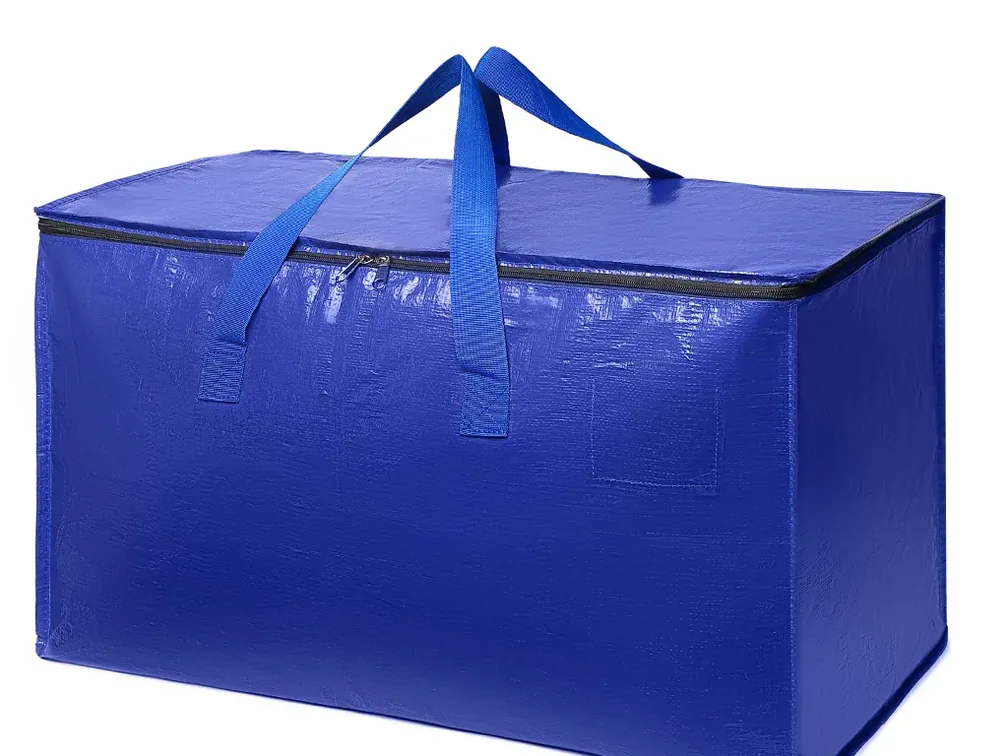
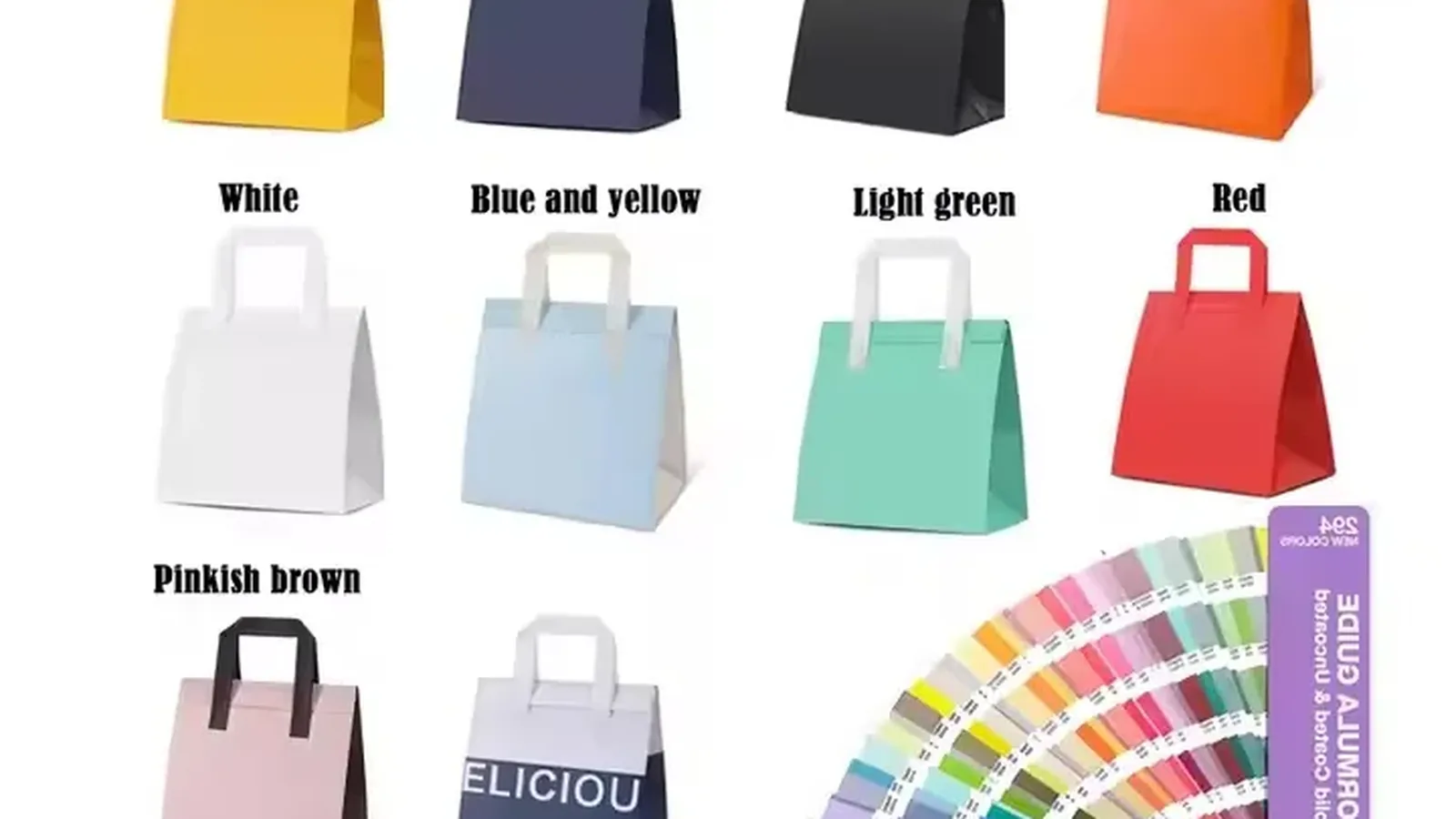
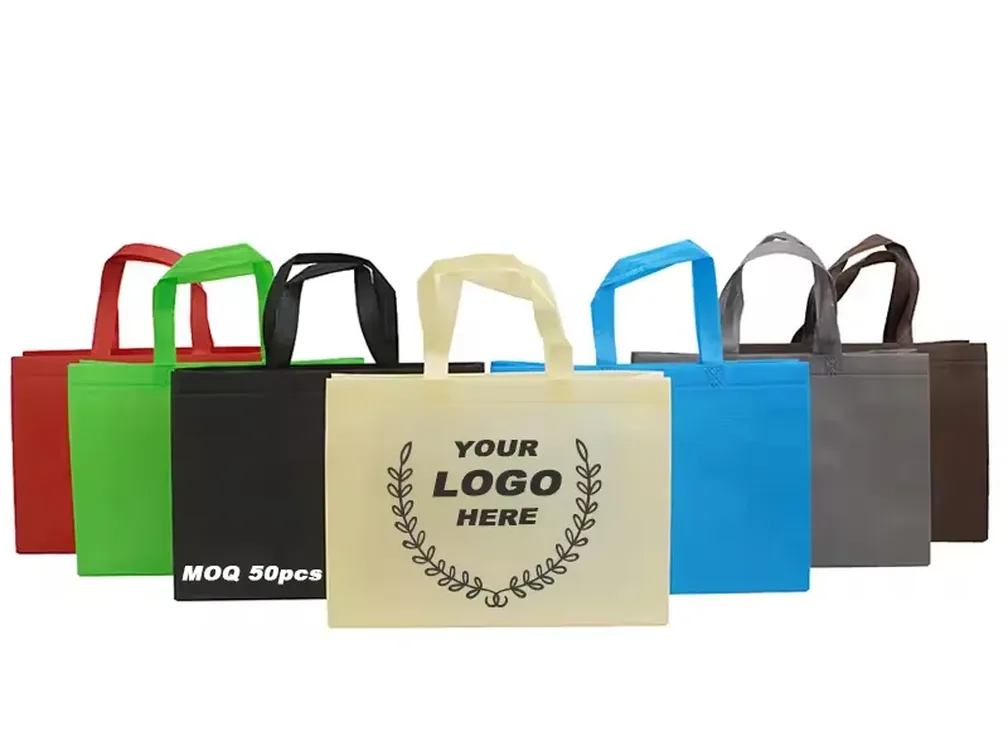
Color is the whole signal. A bag that carries one client color edge to edge is read at a glance by a sorter who never touches the garment inside it, and the garment stays in its bag until the dispatch cart. Our own tote range is offered in multiple shades from one chart, which is the object a map like this is built on.
Three rules keep the map readable. Post a written key at every station, pair the color with a printed code once the routes pass 8, and hold the shade across a reorder so a second batch does not quietly add a ninth color.

What a return bag has to hold
In a laundry the bag is wetted, lifted and washed far more often than a retail tote ever is, and the color is the first thing to go if the print is wrong.
| Part of the bag | Why the sort needs it | What to write in the spec |
|---|---|---|
| Color | The route is read from across the floor | One shade per route, with the shade number |
| The shade has to survive the wash | Print method and the wash cycle it is tested in | |
| Label | The client name stays with the bag | Woven label, sewn in, and where it sits |
| Handle | A wet load is lifted by the handle | Handle fixing and the stitch that holds it |
| Fabric | The body has to hold shape when wet | Fabric type and recycled content if claimed |
| Size | The bag takes a route's soiled load | Open size in inches, and the packed size |
None of those lines is decorative. A sewn label is defined by staying attached and staying legible for the life of the product, a definition the US care label rule sets out in writing, which is exactly the test a rental bag label passes or fails in its first months. Our bag bodies include a recycled rPET fabric for a plant that claims recycled content on the bag.
A print is judged the same way, against a laundering procedure rather than against how it looked on the day it was approved.
The colour loss and staining resulting from desorption and/or abrasive action in one single (S) test closely approximates to one commercial or domestic laundering.
Swedish Institute for Standards, SS-EN ISO 105-C06:2010
What proves the map is working
A pilot earns its keep by measuring 3 numbers before and after, not by looking tidier on the floor. Sorting time per 1,000 pieces is the first, because it turns a vague feeling about the room into a count that a second shift can repeat.
The second number is the misroute rate per 1,000 pieces, counted against the client rather than the garment, since that is the error a color map exists to remove. The third is the time a new sorter needs to work a route alone, which is the number that shows whether the map is teachable at all.
Those 3 numbers only mean something if the plant takes them itself. A result reported from another plant is a starting point, offered as an observation rather than as a promise that the same map will do the same work here. What travels is the shape of the programme, the bottleneck, the color design and the adjustments, not the arithmetic that came out of one building.

Questions a rental plant asks before the first run
How much of a sorting gain should a plant expect?
Measure the current floor first, because the gain depends on how many touches the system takes today. Count time per 1,000 pieces and count misroutes per 1,000, then run the map for a season and count both again.
What bag spec works for industrial laundry?
A body that holds its shape wet, a print tested in the wash the plant actually runs, and a sewn label rather than a printed name. The handle fixing decides more than the fabric weight, because a wet load is lifted by the handle and the seam behind it.
Do color coded bags replace garment level sorting?
No. They replace the client and route sort upstream, and the garment line still has to be matched at the dispatch desk. The map is a routing layer, and a plant that expects it to sort individual garments will be disappointed.
Why does a color map fail in its first month?
Because a new sorter has not learned it yet. A written key at every station fixes that failure faster than retraining, and a plant that adds a code beside the color can carry more routes than color alone.
Why the color decision belongs upstream
The 2 wins in this pattern arrive together. The lesson is that a sorting problem is usually a collection problem. A plant that decides the route when the bag is filled saves the second read at dispatch, and the bag becomes the record that the paper ticket used to be.
The second of the 2 is quieter. Color coded return bags also carry the plant's work into the client's premises, and a shade that holds across a reorder looks like a system rather than a habit.
A color map is also cheap to start and expensive to change. Once sorters read color instead of tickets, a new shade in the middle of a season costs more than the print did, which is why the shade number belongs in the spec before the first run.
How to run a color map in your own plant
Four lines keep a map readable after the first reorder.
- Count the routes first, and keep the color count below the number of shades a sorter can name at a glance.
- Write the shade number beside the route name, so a second batch cannot drift away from it.
- Test the print in the wash cycle the plant runs, not in a retail wash.
- Sew the client name in as a woven label and keep a printed code for the routes that need one.
A plant that writes those 4 lines can hand the map to a new sorter on the first morning, and a supplier who can answer them has printed a laundry bag before. The Color Fastness Testing for Printed Bags: cover the print check behind the third line, and the Barcode Label Placement: The Scan Zone covers the code that sits beside a color once the routes multiply.
Related reading from the same line: Barcode Label Placement: The Scan Zone.