
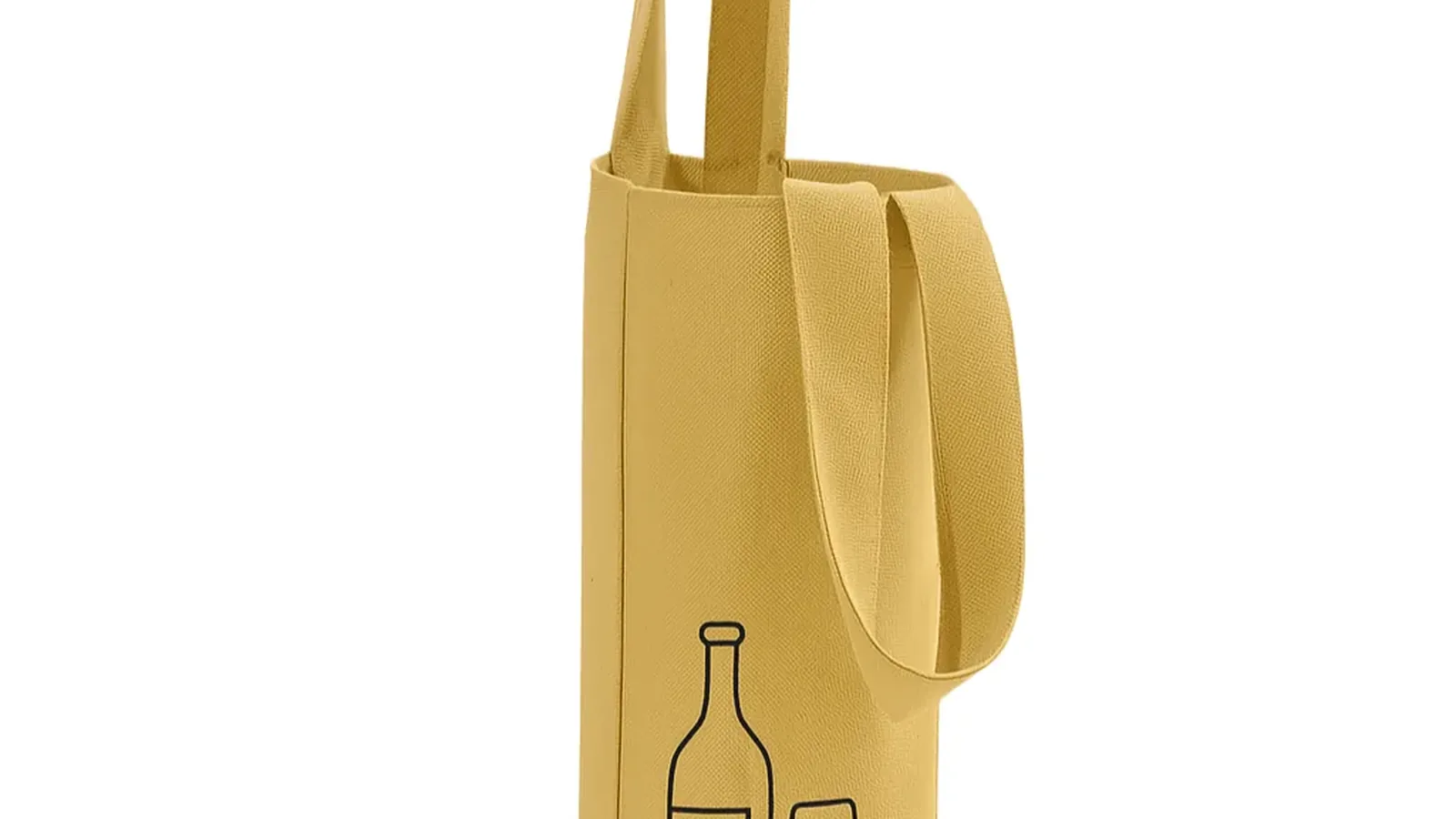
The count is not a label on a shelf, since every step up adds a divider wall that keeps glass off glass and asks more of the.
Wine bottle tote bags get treated as a colour variant of a grocery tote in most programs, and that is where the trouble starts, because glass is heavy, rigid and prone to clinking in a way that produce is not.
The question keeps coming up on spec sheets, so this is the build sheet we work from.
Nothing in it is a colour decision. The bottle count sets the base, the divider spacing sets the print panel, and the handle attachment decides whether a filled bottle stays in the bag when the buyer lifts it.
What a bottle carrier is built around
A bottle lands its whole load on a small circle of fabric rather than spreading it across a flat floor, which makes base support the first engineering decision in a bottle carrier and not the last.
On our line the base carries a reinforcement where a bottle sits, and the handles are stitched to the body rather than tacked on. The standard build is a reinforced base, handles stitched through the shell and a body that folds flat once the pockets are empty.
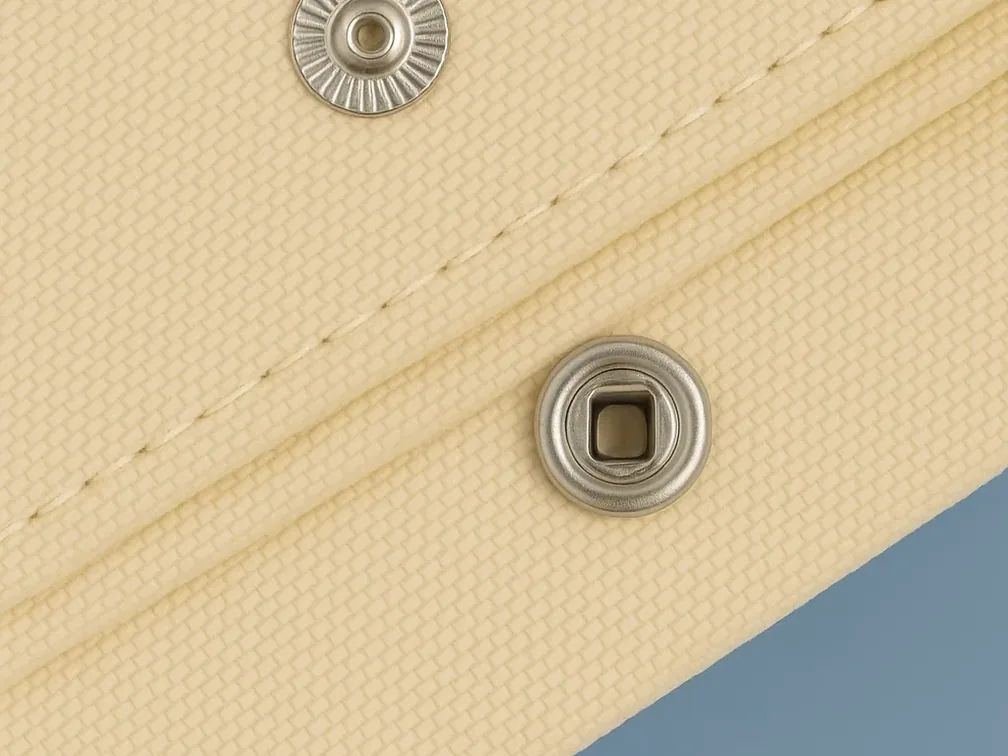
Handle material is a spec line rather than a default, woven or webbing and stitched through, because the stitching is the part that sees the load. A canvas shell adds reinforced handle stitching and a handle style set to the buyer’s spec.
A single bottle carrier takes the reinforced panel, a 2 or 4 bottle format takes stitched dividers between the pockets, and a 6 bottle format approaches a small case and moves to a boxed bottom with webbing across it.
What the bottle count changes in the build
The count is not a label on a shelf, since every step up adds a divider wall that keeps glass off glass and asks more of the base.
| Bottle count | Base | Divider | Handle | Where it suits |
|---|---|---|---|---|
| One bottle | Reinforced panel under the seam | None | Woven or webbing, stitched through | Gift add on at a tasting or a till |
| Two bottles | Gusseted base with a stiffener | One stitched divider | Webbing across the opening | Bottle shop pair or a restaurant takeaway |
| Four bottles | Boxed bottom with a webbing line | Three stitched dividers | Webbing anchored below the rim | Weekly retail shop for a household |
| Six bottles | Boxed bottom, load rated | Five stitched dividers | Webbing plus a stitched top hem | Small case for a cellar or a gift program |
The fourth line is where buyers usually under specify, because a four bottle carrier looks like a grocery tote with pockets and carries close to four times the weight of a paper bag.
Bottle count is one line of the spec and bottle format is the other, because a sparkling bottle and a still bottle do not share the same footprint inside the bag.
Where a bottle carrier fails first
The failure we see most often is not the fabric. It is the junction where the handle meets the body, which takes the swing of a filled bottle every time the bag is lifted.
Each handle gets a static pull test, recorded per batch, and pull and seam strength are tested on every batch rather than once at the start of a program.
The second failure sits inside the bag. A stitched divider stops bottle to bottle contact that chips rims and breaks shoulders, and a seam that is measured rather than eyeballed is the only way to know it will hold.
The measurement is defined work, since a standard method for seam force sets how the maximum force of a sewn seam is determined.
The weight line on a spec sheet starts with the bottle. A standard bottle weighs roughly 3 lb, so a filled six bottle carrier runs close to 20 lb before packaging, which is a two handed lift for a shop assistant or a crew. Handling guidance is written about the whole task rather than one weight cap (HSE).
The weight of a load is important, though the law does not set specific weight limits.
The build answers that with three details. The base holds the glass off the seam, the webbing runs the full length of the opening instead of stopping at the handles, and the divider keeps glass off glass.
The print face a retail program sells
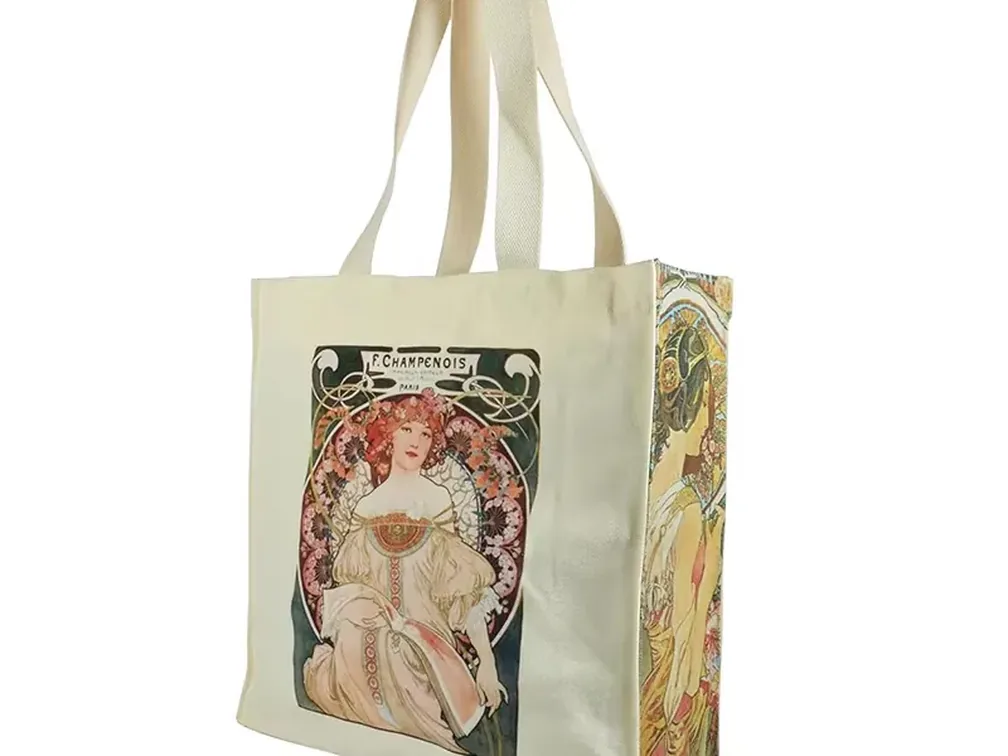
Wine totes circulate, which is the commercial reason a winery or a bottle shop puts its name on one: the bag goes to a dinner and stands on another table.
Dividers and bottle shoulders interrupt the print panel, so a layout that ignores the divider line loses part of the mark on the finished bag: on a 4 bottle carrier the front face is broken by 3 stitched lines. Programs that also sell the carrier empty add interior printing, which turns the inside of the bag into a second surface.
Wine gift bags sit in the same family, with the same base and divider lines and a print face built for a gift purchase rather than a weekly shop.
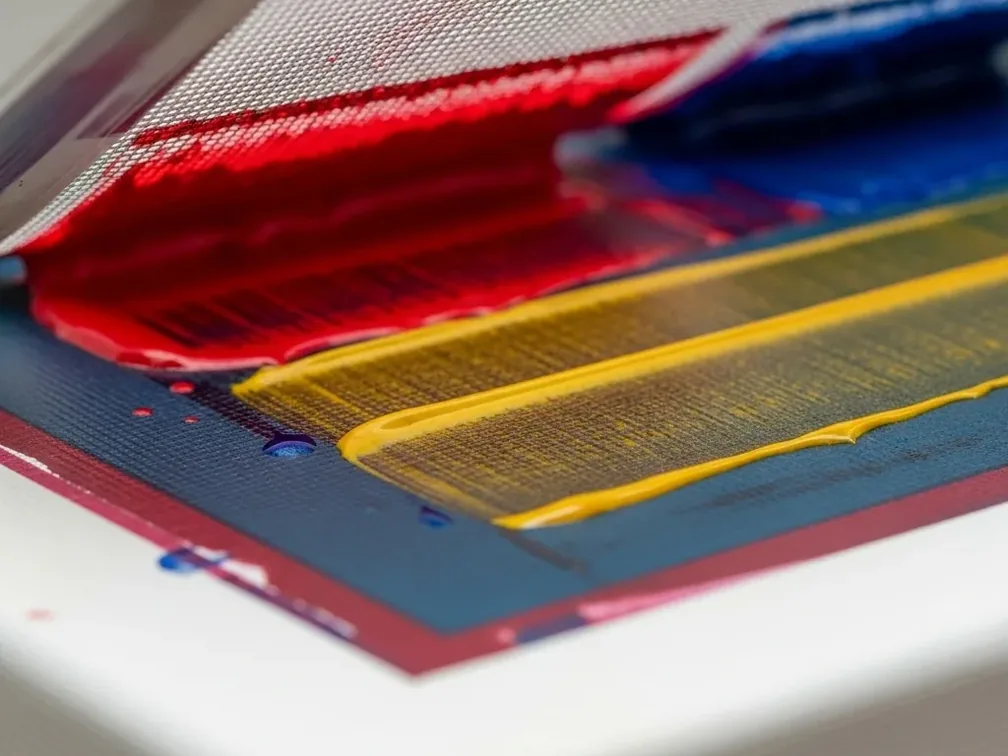
Decoration runs as screen print, heat transfer or a woven label, proofed before production, so the artwork is settled before the run starts rather than after it.
The fabric range covers PE, PP woven, non-woven, polyester, nylon, canvas, jute and rPET, and a bottle program usually picks from that range on print face first and load second.
Questions buyers ask before a wine tote run
Which fabric suits a wine bottle carrier?
Heavy canvas for retail and gifting, non-woven polypropylene for volume programs and lined jute where the natural fibre look carries the brand. Base reinforcement matters more than the fabric name, because the base is what the bottle rests on.
Do multi bottle totes need dividers?
For glass, yes. The divider is what keeps 2 bottles from striking each other on the walk from the shop to the car, and the damage it prevents is a chipped rim rather than a torn shell.
Where does the logo go?
On the outside face above the divider line, where it stays visible when the carrier is carried and set down.
Will sparkling bottles fit a standard carrier?
Not always. Sparkling glass carries wider shoulders and a heavier build, so the spacing opens up and the base rating rises with the bottle.
What the category is worth building properly
The honest position is that a bottle carrier is a small structural project rather than a print job with a pocket. Base reinforcement decides whether the glass ever touches a seam, and that line matters more than the fabric name on a swatch card.
A program that treats the carrier as a colour variant ends up with a bag that folds flat, carries one bottle comfortably and gives way at the fourth, which is exactly the bag its buyer remembers.
Cost is the fair counter argument, since a reinforced base and stitched dividers add construction and a single bottle carrier does not need a case rated bottom. The count tells you which build the program actually needs.
The sample round answers wine bottle tote bags: the seam, the handle join and the label are read on a sample before the batch. Quality control runs the same 4 checks on this family as on any other: incoming material, seams and zip, finished bag, final count.
The sample round answers wine bottle tote bags: the seam, the handle join and the label are read on a sample before the batch. We check incoming material, seams and zips, finished dimensions and the final carton count, and dimensions are on that list, which is where a divider stitched short shows up.
How to specify the first wine tote run
Four lines settle the spec, and each one comes from the program rather than from a catalogue page.
- Set the bottle count, then check the format against the bottle that program actually fills.
- Set the base and the divider together, with a reinforced panel at one bottle, stitched dividers from two bottles up and a boxed bottom at six.
- Set the handle attachment below the rim line, with webbing that runs along the opening rather than stopping at the handle.
- Set the print face after the dividers, because the panel above the divider line is the part that stays visible.
Two checks close it out. Read the handle pull record, since each handle is pulled and the result written down per batch. Then carry a loaded carrier across the room, which shows a base problem faster than any fabric swatch.
The format range runs from one to six bottles with divider and reinforcement options, so the count decides which lines the program needs. Related ground is covered elsewhere: whether cotton canvas suits daily carry is in cotton canvas tote bags, the cloth question is in jute vs canvas, and how a large canvas order runs is in bulk canvas orders.
A bottle carrier is a carrier with a base problem and a print face, and the programs that get it right settle both before the artwork goes anywhere.