
A factory-floor explanation of why two woven bags that look identical can have very different prices: the base fabric, coating, raw material grade, and certification requirements all drive cost.
Why does the same woven bag have a different price?
I get this question a lot from buyers: “I have two quotes for what looks like the same PP or PE bag — why is one 20% more?” My answer is that the bag isn’t the same. The price difference comes from what you can’t always see: the base fabric, the coating, the raw material grade, and whether the bag is being made for domestic sale or for export with certification.
Here’s how we look at it from our own production line.
Start with the base fabric and the coating
Both PP and PE bags start the same way: we weave a base fabric, then coat it. The price gap often starts right there. With the same base fabric, you can have a single-side coating, or a double-side coating, or even a double-side coating where one side has two layers and the other has one — that’s three layers of film. Each step adds cost.
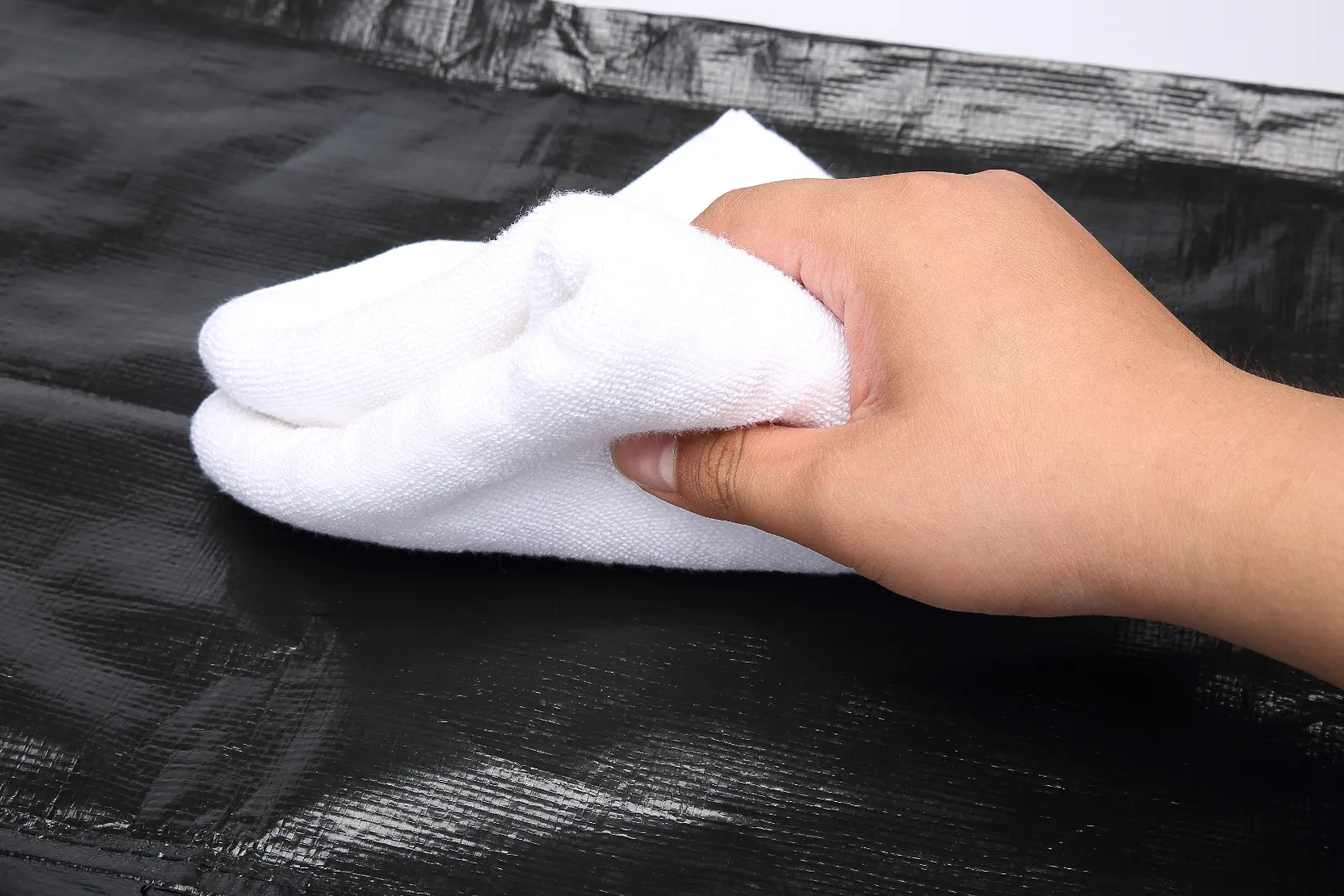
So when you compare quotes, ask: is this single-coated, double-coated, or uncoated? The coating structure alone can explain a big part of the difference.
Raw material is the biggest cost driver
On a woven bag, raw material is the majority of the cost — it can reach 70% of the bag’s cost. That’s why the material matters so much.
The first question is whether the bag uses virgin material or recycled material. At our factory, if a customer wants to meet European standards, we have to use 100% virgin material. The price of virgin material is not the same as recycled material.
And when recycled material is blended in, the ratio matters. Without a strict requirement, material suppliers commonly add 20% to 40% recycled content, and that causes a very obvious price swing. Virgin material usually has no odor and better surface gloss. That’s the most critical factor in raw material pricing.
Why do PP and PE perform differently?
We use both PP and PE, and they behave differently. PP has higher strength and stiffness, better surface gloss, and it resists repeated bending and impact well. But PP gets brittle at low temperatures, and its hand feel is softer.
PE is more flexible and softer, with a matte, waxy look. It handles low temperatures better, has high strength, and can be clearer than PP. But if you take the same bag construction and puncture it with scissors, PP tends to puncture more easily.
Those performance differences are part of why PP and PE bags don’t cost the same.
Same material, different weight and weave density
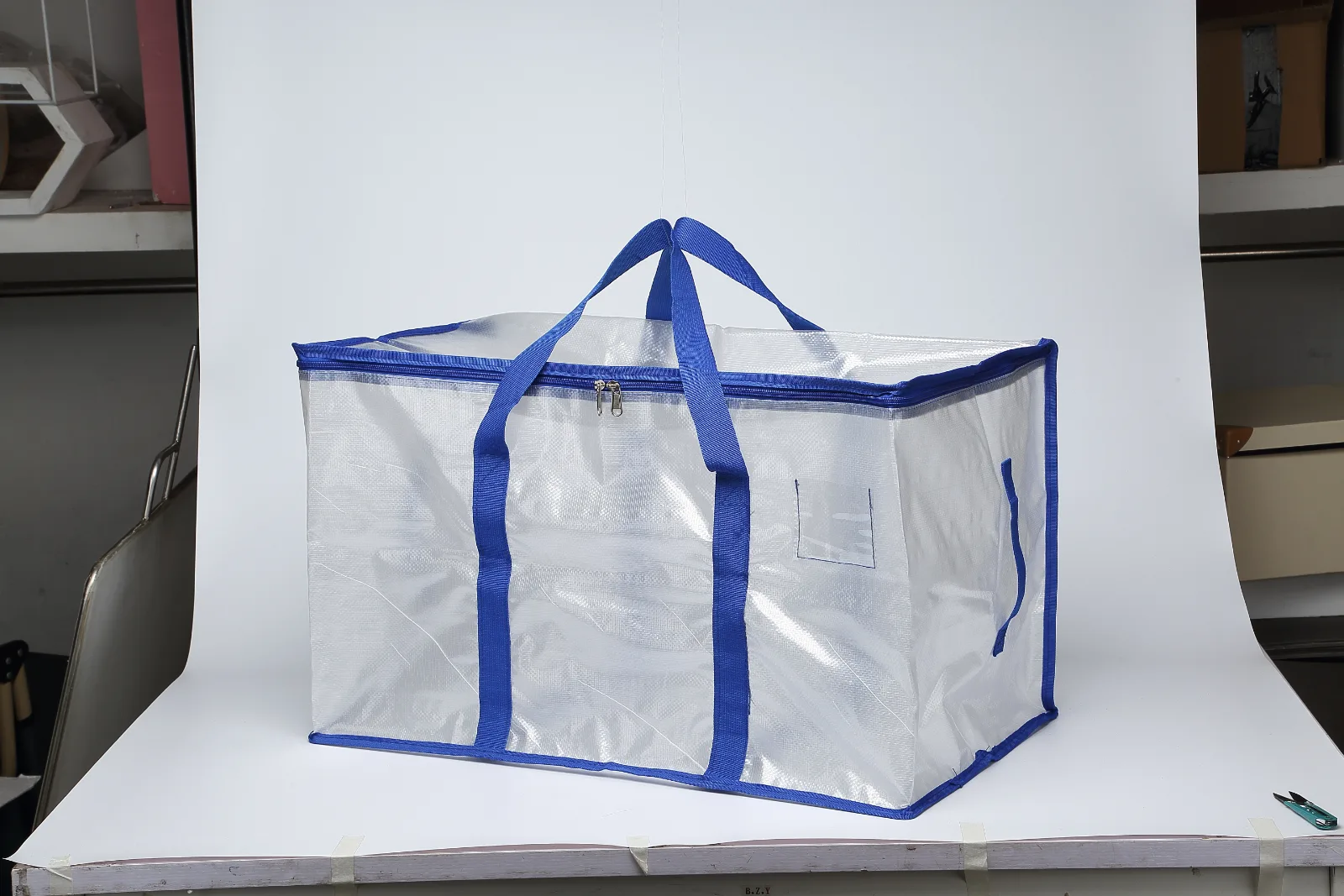
Even with the same material, bags can differ in weight. For ordinary woven fabric, the weight is usually 45 to 75 grams per square meter. After coating, it can reach 100 to 120 grams — that’s the weight range we use for standard moving bags.
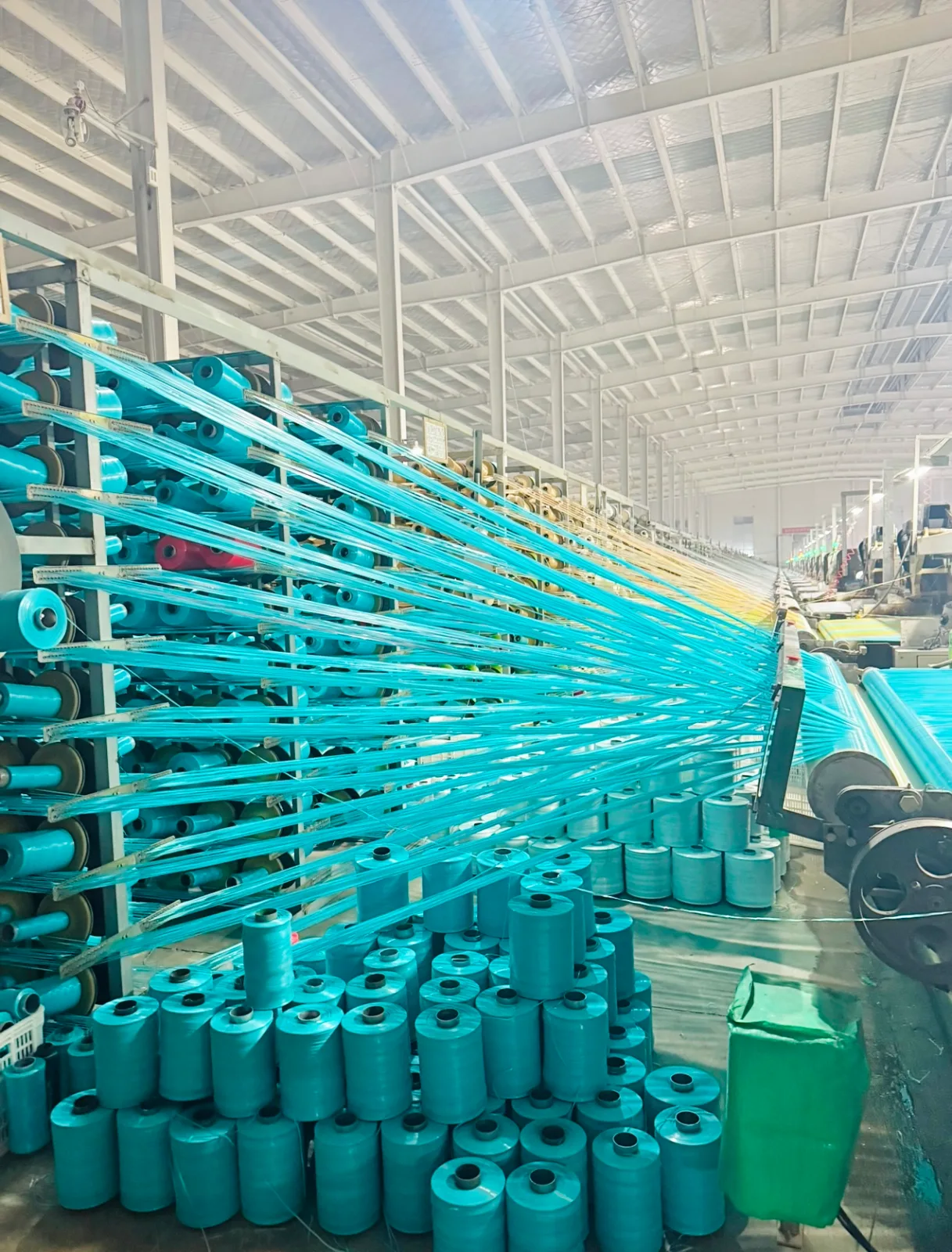
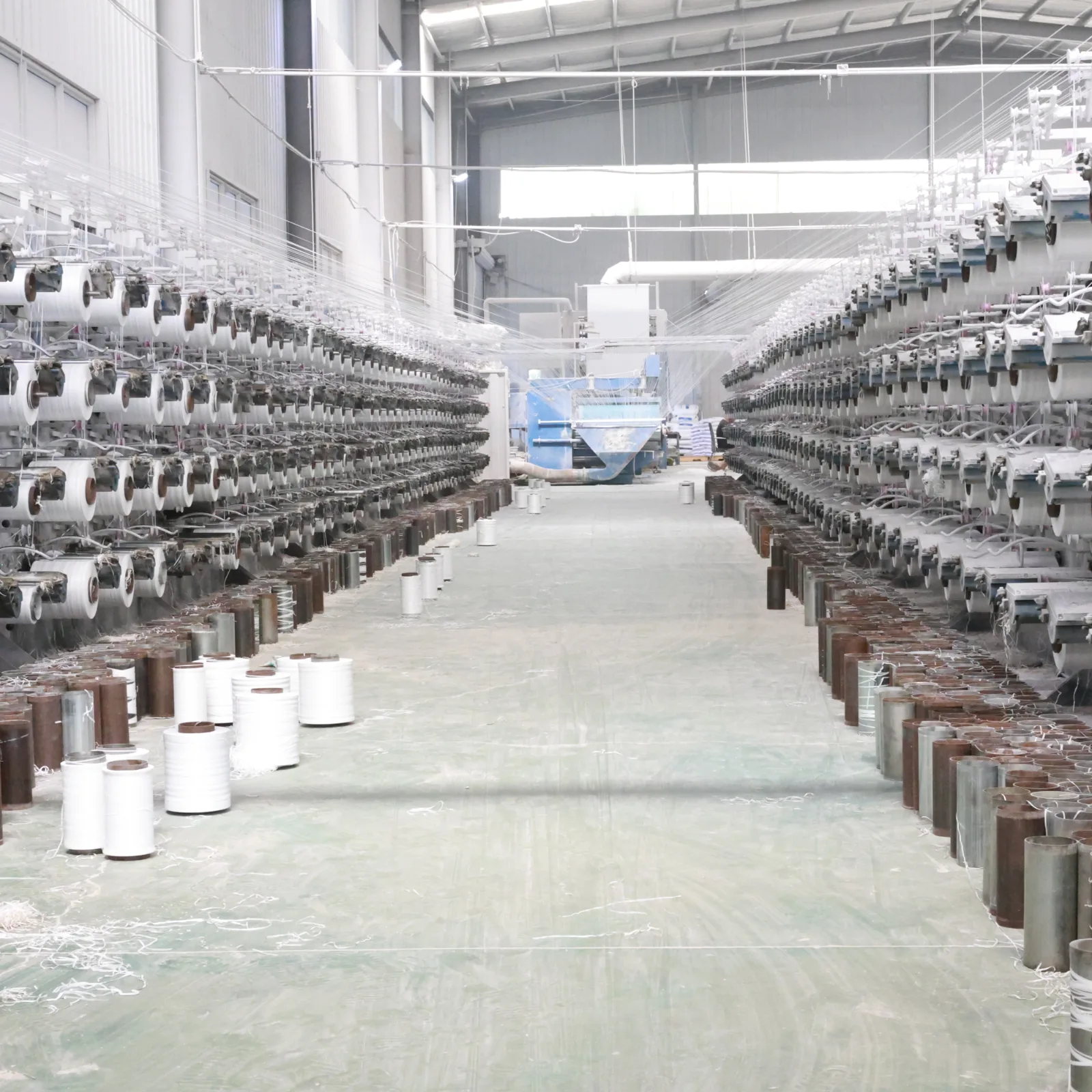
But the base fabric’s gram weight and weave density also matter. A lighter fabric might be a 4x10 weave. Thicker could be 12x12, and heavier still 4x12. For our heavy-duty requirements, we use a 14x14 weave, which is a special custom construction. That creates a big cost difference. Compared with most basic manufacturers, our fabric has more tensile strength, better puncture resistance, and higher density — so the bag quality is better, and the price is higher.
Coating additives: UV stabilizer and color masterbatch
When you coat the fabric, you also need to add UV stabilizer and color masterbatch to the film. Both have a ratio. If you add more UV stabilizer, the price goes up, because those raw materials have a cost. Anti-static, anti-slip, and whitening agents are also add-ons that come with UV and masterbatch.
So even when both bags are coated, the cost structure inside the coating can differ — and that’s another reason our price may be higher if we’re using a better process.
Domestic vs export: certification changes the material recipe
Finally, ask whether the product is for domestic sale or export. If it’s for export, certification testing may be required. The material recipe for a bag that needs certification is different from one that doesn’t.
For example, if the actual gram weight deviation must not exceed 5%, and recycled material cannot be blended in at all — it must be pure virgin material — then the price is higher. For UV and masterbatch, we need the best ratio so the bag has better durability: it won’t become brittle, won’t break fibers, and won’t have printing fade.
So when you compare woven bag prices, start here
When you get two prices for a “same” PP or PE bag, don’t assume one supplier is just cheaper. Ask about the base fabric and coating structure, whether the material is virgin or recycled and at what blend ratio, the gram weight and weave density, the UV and masterbatch levels, and whether the bag needs certification for export.
That’s the answer to the opening question: the price difference is almost always in the material and process details — and those details are exactly what determine how the bag performs in the real world.
Related: a spec · moving bags






