Organizing a retail backroom is a constant battle for space and efficiency. The choice between rigid plastic bins and flexible storage bags directly impacts inventory management, restocking speed, and product damage. This comparison breaks down which solution offers the best value for your operational needs.
We analyze cost per cubic foot, space savings from collapsible bags, and why clear visibility is non-negotiable. This guide helps retail managers choose the right storage to protect inventory, cut costs, and streamline stockroom operations.

💡 Cost per cubic foot is a crucial metric that reveals the true expense of soluciones de almacenamiento. Rigid containers, especially new ones, often have a high cost per unit of space. A new 20ft container can cost $3.00 per cubic foot, while a used one drops to just $0.43, exposing major budget inefficiencies.
When you analyze storage through the lens of cost per cubic foot, the financial gap between new and used containers becomes clear. New containers represent a significant capital expense for the space they provide. Used containers, on the other hand, offer the same volume for a fraction of the price.
This direct comparison shows how choosing used units can dramatically lower your initial investment.
| Container Size | New Cost / Cubic Foot | Used Cost / Cubic Foot | ✅ Potential Savings |
|---|---|---|---|
| 20ft Container | ~$3.00 | ~$0.43 | Up to 85% |
| 40ft Container | $0.63 – $1.68 | $0.42 – $1.47 | 40-60% |
Opting for used containers consistently delivers 40-60% savings, making them a far more efficient choice for managing storage budgets.
Beyond standard bins, costs can escalate quickly. Specialized containers designed with features like open sides or double doors carry a premium, often costing between $2,500 and $6,000. While these features add utility, they also inflate the cost per cubic foot significantly.
⚠️ Monthly rentals present another potential budget trap. A monthly fee of $139–$239 for a smaller unit might seem manageable, but these costs accumulate over time. For any long-term or permanent storage need, the total rental expense will eventually surpass the cost of ownership, making it an uneconomical strategy.
Two primary variables influence the final price you pay for a rigid container: its physical state and its delivery logistics. Understanding these factors is key to controlling your total storage expenditure.
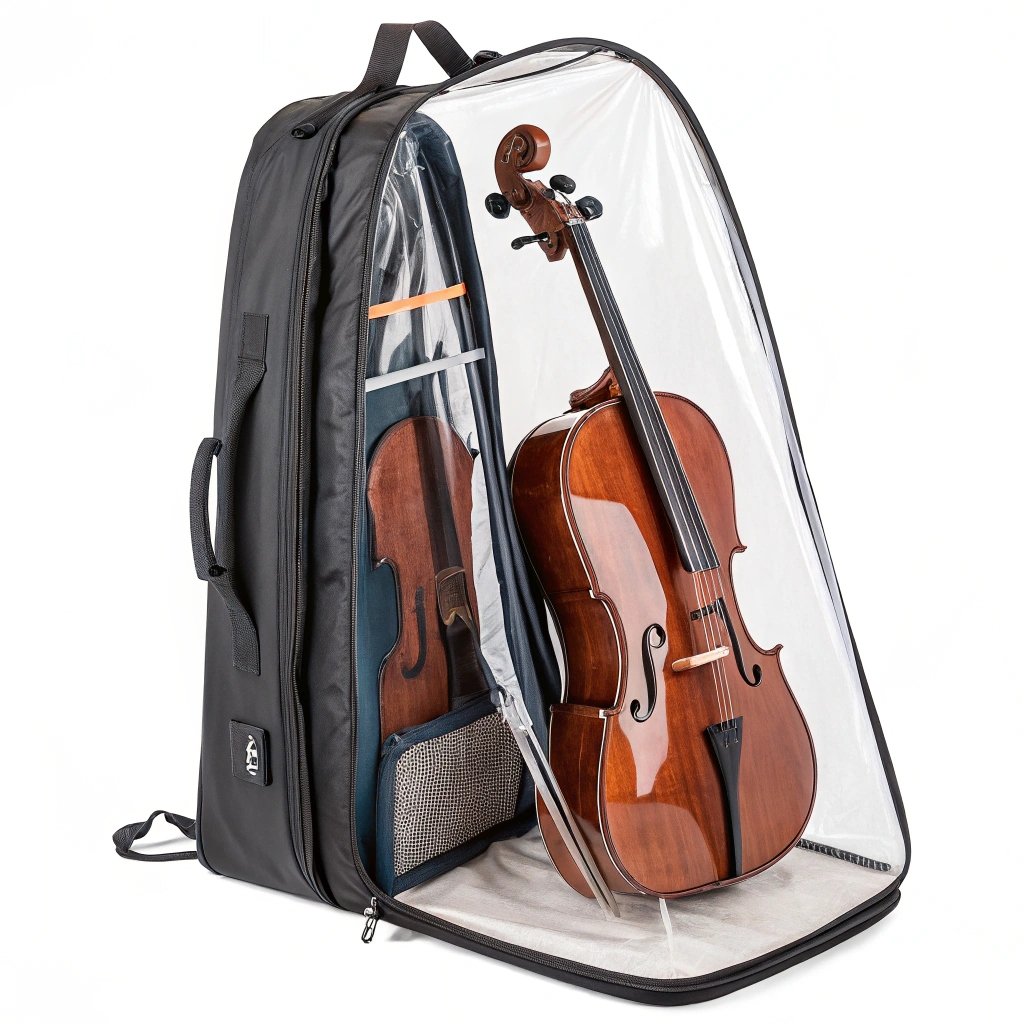
The short answer: Flat-packed bags ship and store collapsed, while rigid bins consume their full volume whether empty or full. This simple difference creates massive logistical efficiencies, allowing up to 24 times more bags than bins to fit on a single truck and drastically reducing your warehouse footprint.
When it comes to restocking inventory, the physical volume of your packaging dictates freight costs and complexity. Rigid plastic or cardboard bins take up the same amount of space whether they are full or empty, creating major inefficiencies.
The data highlights a clear advantage for collapsible bags:
En space savings continue long after the delivery truck leaves. In a busy retail backroom or warehouse, floor space is a premium asset. Unlike bulky bins that create permanent obstacles, empty bags collapse down to almost nothing.
This design directly translates to a more organized and efficient facility:
For a retail manager, optimizing space isn’t just about tidiness—it’s about driving financial performance and operational agility. Choosing flat-packed bags over rigid bins creates tangible benefits that impact the bottom line.
A collapsible storage solution allows you to:
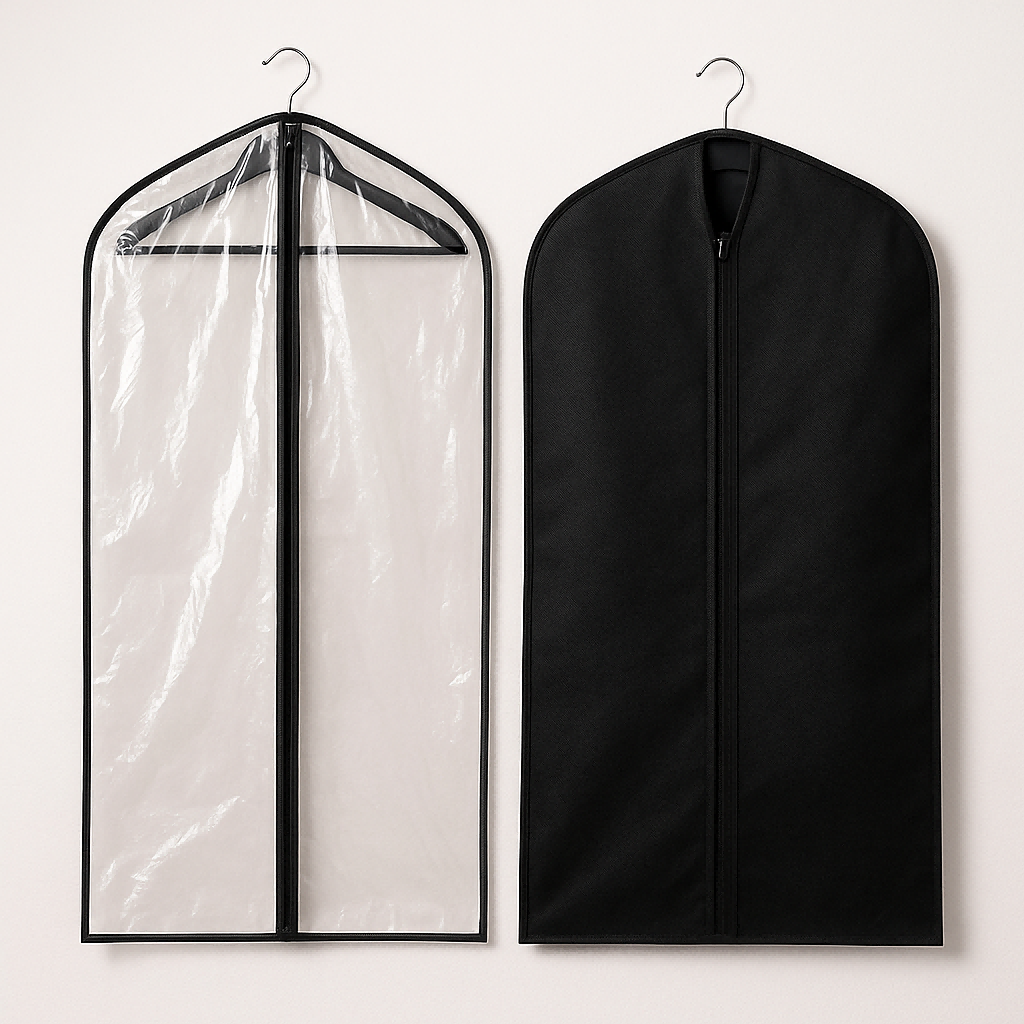
Respuesta rápida: Yes, zippered storage boxes provide a superior seal compared to most standard lid boxes. Their double-track zipper systems create an airtight closure that effectively blocks dust, moisture, and pests. Traditional lid boxes rely on friction-fit seals that may allow slow air exchange, making them less protective in humid environments.
The primary difference between these two storage types lies in how they create a seal. Fabric bolsas de almacenamiento use zipper systems—often with double tracks—that interlock to form a genuinely airtight barrier. When fully closed, this mechanism physically prevents air and contaminants from passing through.
In contrast, most plastic lid boxes rely on a simple friction-fit design. The lid presses onto the container’s rim, but this rarely creates a perfect seal. Over time, small gaps can allow for slow air and moisture exchange, especially if the box warps or the lid doesn’t fit perfectly.
| Sealing Property | ✅ Zippered Boxes | ⚠️ Standard Lid Boxes |
|---|---|---|
| Seal Type | Mechanical Interlock (Airtight) | Friction-Fit (Permeable) |
| Air Tightness | Alta | Low to Moderate |
For retail managers storing inventory like textiles or seasonal goods, environmental protection is critical. A superior seal directly translates to better defense against common threats that can damage products.
En choice between zippers and lids also involves considering long-term durability and structural integrity. Rigid plastic lid boxes often have a longer lifespan, capable of lasting for decades without material degradation. Their strong, rigid walls also provide excellent compression resistance, making them ideal for stacking heavy loads.
Fabric zipper boxes typically have a lifespan of 5–7 years, with the zipper itself being the most common failure point. As manufacturers, we mitigate this by using heavy-duty zippers and reinforced stitching. But the fabric structure can bulge or warp under uneven loads, which may compromise the seal over time. The right choice depends on your priorities:
Equip your moving, storage, or logistics company with bags engineered to last. We manufacture fully customizable, water-resistant moving bags from tear-proof woven polypropylene, reinforced to carry 20-25 kg loads. Add your logo, choose your colors, and get a free digital mockup in 12 hours. Partner with a certified supplier for consistent quality and fast turnarounds on pedidos al por mayor.

Neither option is universally better; the right choice depends entirely on what you need to store. Storage bins provide rigid protection and stack neatly, making them perfect for fragile items or creating an organized shelving system.
Storage bags, particularly vacuum-sealed versions, excel at saving space. They are ideal for compressing bulky, non-fragile goods like seasonal bedding and clothing. For retail inventory, we find a hybrid approach works best: use bins for protected goods that need frequent access and bags for compacting overstock or seasonal items.
For budget-friendly storage, here are a few effective options:
Yes, plastic bins with tight, sealable lids create an effective physical barrier that keeps moths and other pests out. Using plástico transparente also allows you to see the contents without opening the lid, which further protects your items from exposure.
⚠️ A word of caution: Plastic can trap moisture. Before storing items long-term, ensure they are completely dry. You can also place clothing in breathable bolsas de tela inside the bin to help manage humidity.
Large clear storage totes are available from a wide range of suppliers:
Yes, you can stack clear storage bags, especially those designed with a structured, box-like shape. For maximum stability, stack them on a level surface in a pyramid shape, interlocking the rows as you go.
For general home use, keep stacks short—no more than two or three bags high. In a warehouse or for heavy-duty commercial applications, we recommend cross-keying the bags (turning each layer 90 degrees) every ten layers to maintain the stack’s structural integrity.
The best retail storage solution is a complete system, not just a single product. It should combine efficient physical storage with a robust inventory management platform.

Choosing between storage bags and plastic bins means matching the right tool to the inventory. While rigid bins deliver superior stacking strength and structural integrity, clear storage bags offer critical advantages in space efficiency and protection. Bags ship and store flat, creating significant logistical savings, and their zippered seals provide a better barrier against dust and moisture than most standard bin lids. For any modern backroom, full transparency is the key to reducing picking errors and speeding up workflow.
The most effective backroom strategy is often a hybrid one. Use durable bins for high-traffic, fragile goods, and deploy space-saving bags for soft inventory or seasonal overstock. This balanced approach protects products, optimizes your storage footprint, and empowers your team to work more efficiently. A well-organized backroom isn’t just about tidiness—it’s about creating a system that directly supports your store’s profitability and operational speed.
WhatsAppSOLICITAR PRESUPUESTO
Product, size and quantity is enough to start. We reply with a price and a sample plan fast.
Saved locally for this preview.
