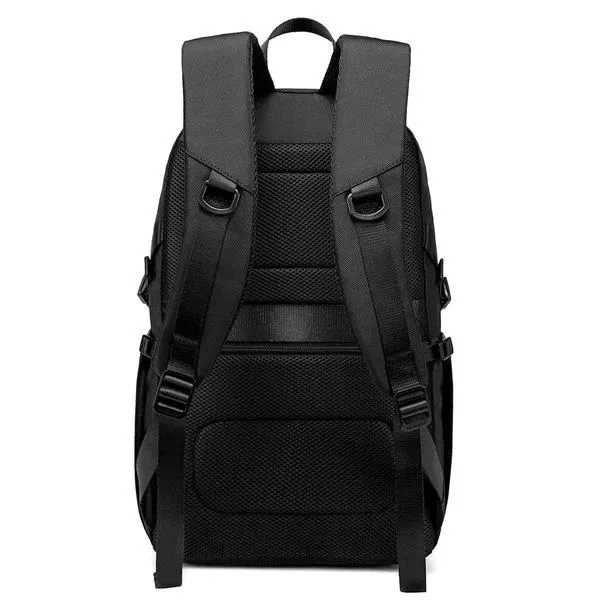
Because the joint is usually the weakest element in the build, so it gives long before the woven shell has done its.
The answer on Moving bag damage claims sits in the detail:
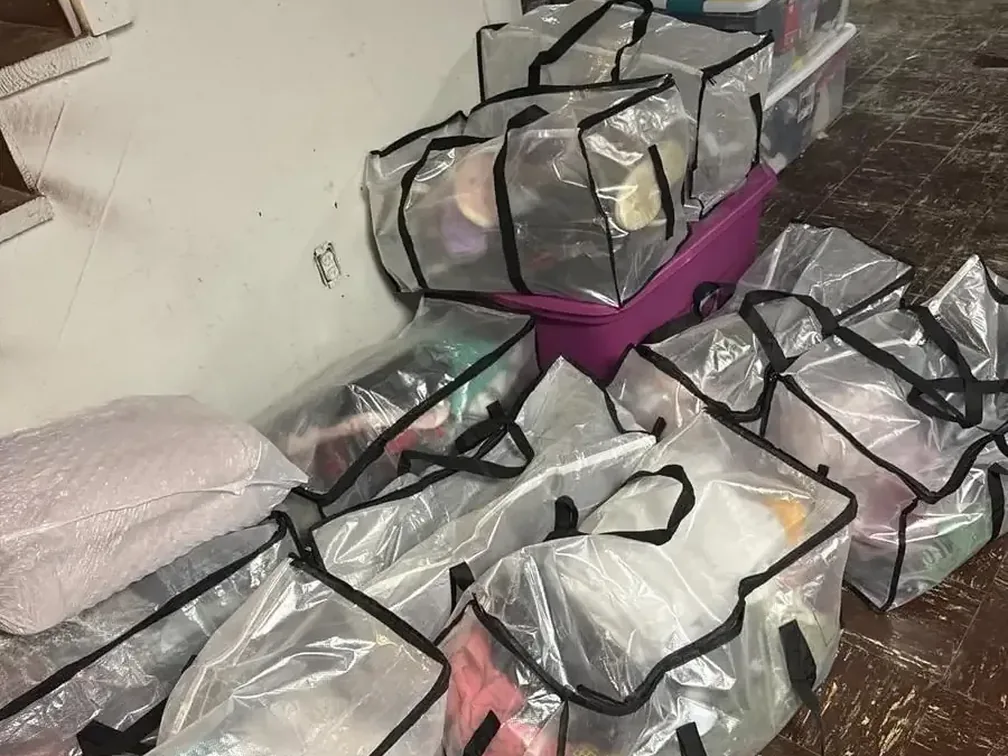
A relocation fleet manager sent us a claim file last month with 3 failures in it, and none of the 3 bags had been overloaded on the day it split. They come from the same handful of joints going first, route after route.
The question keeps coming up this season from fleets that count a claim against a move rather than against a bag, and on a multi drop route it always lands on 3 spec lines.
How a claim builds on a route
A claim is the end of a short chain: a joint gives, the load moves, and something arrives damaged or a crew member takes the weight.
| Claim that lands | What gave way | Spec line that answers it |
|---|---|---|
| Puncture on a furniture edge | A light shell with no coating | A coated, heavier woven shell |
| Split along the seam mid lift | A joint weaker than the fabric around it | A joint tested to the shell's own strength |
| Handle torn off on a swing | One row of stitching at the root | A bar tacked, double stitched handle |
| Dropped load at the tailgate | A crew working to a bench figure | A derated working load written on the order |
| The same failure in the next batch | Drift from the approved sample | Batch level pull and count checks |
Even a well packed bag sits in a stack on the truck, and that stack has to stay stable, which is the handling the regulation addresses rather than the bag itself (OSHA 29 CFR 1910.176). The chain is worth mapping once, because a fleet that only counts claims never sees which joint keeps producing them, and the claim file usually records the damaged item rather than the joint that failed.

The three spec lines that cut claims
- Derate the load before the crew does it for you. A bench figure is a static figure, and a bag swung onto a tailgate carries far less than the same bag sitting still, so the order should state a working figure at about three fifths of the static one.
- Match the joint to the shell. A lamination joint that gives before the fabric turns a strong bag into a weak one at the one place a claim starts, so the joint strength belongs in the order next to the shell weight.
- Bar tack the handle root and stitch it twice. Handles are double stitched rather than tacked on, and a bar tack at the root locks the thread where a crew's lift concentrates the load.
The control behind all 3 lines is batch level, not sample level. Incoming fabric, webbing, zips and thread are checked against the approved spec, every batch gets a pull, a seam strength test and a bar tack check, and a loaded bag is dropped on a corner and inspected. A sample proves what a line can do once, while a batch record proves what it did on the day your order ran.

Where a spec sheet still lets claims through
The first of 4 mistakes is trusting an approved sample. The fix in a claim heavy fleet came down to material science and seam engineering rather than a better approval step, because a sample can be perfect while the run behind it drifts.
The second is a spec written around one number. A shell weight on its own says nothing about the joint, the stitching or the handle, and buyers who stop there hand the weak point back to the supplier's default.
The third is a working figure the crew never sees. If the order states a bench load and the crew swings the bag onto a truck, the field figure is set by habit rather than by the spec, and a dropped load is the result (HSE).
The fourth is a handle that was never pulled on its own. Seam strength is measured where the handles meet the body rather than on a flat offcut, and each handle takes a static pull that is recorded per batch, because a handle that fails at the root is the one failure a crew feels immediately.

Questions fleet buyers ask
Why do our bags split at the seam rather than wear out?
Because the joint is usually the weakest element in the build, so it gives long before the woven shell has done its work.
Is a heavier shell enough on its own?
No. A heavier shell raises the puncture and tear limit, but a single row of stitching at the handle root brings the failure back to the same joint.
How should a working load be written on the order?
As a derated figure rather than a bench figure, so the crew works to the load the bag carries when it is lifted and stacked.
What belongs in an RFQ beyond the shell weight?
The joint strength, the handle stitching, the bar tack and the batch tests that prove all 3 on the day the order runs.
What this is worth to a fleet
Claims are a quality signal that arrives late and costs a customer relationship on the way, so the spec is the cheaper place to catch them.
The handling side is not something a bag can fix. A crew swing is a manual handling action, and the regulation that governs it is about the lift rather than the bag, which is why a derated figure belongs on the order and in the crew briefing.
Manual handling means transporting or supporting a load by hand or bodily force. It includes lifting, putting down, pushing, pulling, carrying or moving loads.
The structural side is where a bag can help. A loaded bag on a truck sits in tiers, and the same rule that governs warehouse stacks applies to the load in the van, because a bag that slides takes the stack with it (OSHA).
Claim files also trace back to joints in a way that a purchase order never does. Cartons are photographed before loading on our floor , and the finished dimensions and final carton count are taken before the truck is sealed, which is what turns a claim into a batch question rather than a customer argument.
A procurement manager summed up the cost in one line: the contract was not lost on the rate, the bags simply could not survive a standard move.
Writing the spec into your next order
Four lines do the work, and all 4 can be written before a supplier is chosen.
- State a working load at about three fifths of the static figure, and give the crew the same number the order carries.
- Put a joint strength test next to the shell weight, so the weakest element is named rather than assumed.
- Require double stitching and a bar tack at the handle root, and ask to see the handle pull record per batch.
- Ask for the batch checks, not the sample: the material check, the seam and zip pull, the drop check and the final count.
The reason to write all 4 rather than pick one is that each line closes a different claim, so a fleet that fixes only the shell keeps paying at the handle.
Related ground sits beside this page. The wider failure picture is in reduce moving bag failures, the handle on its own is in moving bag handle failure, and the full spec sheet is in heavy duty moving bag specs. The thread through all three is the same one this page runs on: a damage claims reduction is a spec decision made before the run, not a packing decision made on the day.